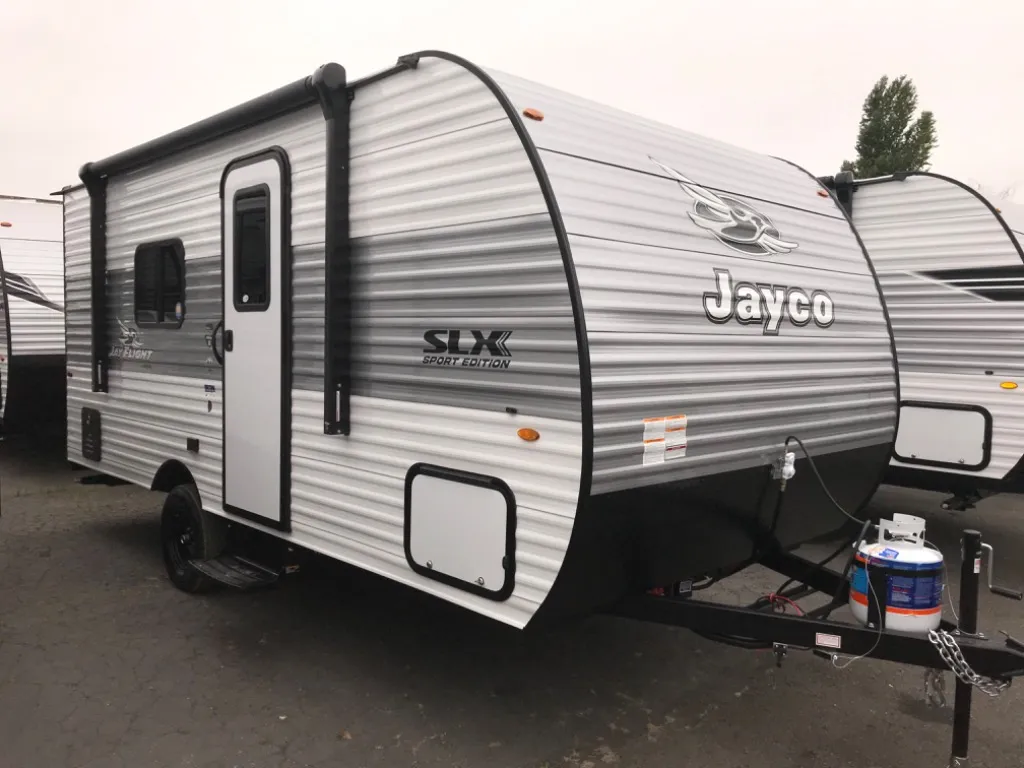

Keeping Warm in Your RV without Hookups
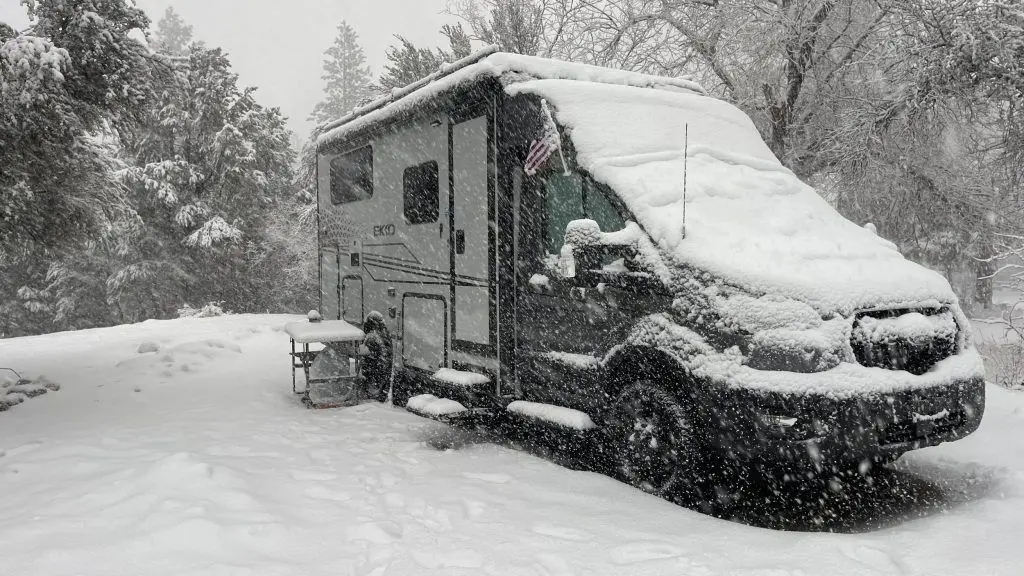
Your RV is, at its core, your shelter away from home, and one of a shelter’s main roles is to keep you warm. This can be fairly simple at a campsite with full hookups and a full tank or two of propane. However, as you venture beyond RV parks and campgrounds to remote sites or simply boondocking en route to a destination, keeping your RV warm enough for comfort may require a bit more planning and creativity. The Valley RV Supercenter has some tips on how to stay warm in the wild.
Park Strategically
There are two primary goals to consider when selecting a warm RV site, and they can sometimes conflict with each other. Just as you may seek the shade of trees in summer, in cold weather, you want as much sunlight as possible to help warm your RV during the day. But if wind is an issue, look for anything that blocks the wind. If you are boondocking, try to position yourself near a building. In the wilderness, it may be a rock formation or a low-lying area. As mentioned, finding a wind blocker may restrict your sun access; if so, decide which should be the higher priority.
Layer Up
This is both the first thing you do and your last resort when all else fails. If you think there is any chance of cold weather on your trip, stock up on warm socks, long underwear, and non-restrictive long-sleeve shirts, as well as fleece jackets or hoodies. Sure, this keeps you warm, not your RV, but it’s simple, foolproof, and requires no additional effort beyond arranging for extra clothing storage. Extremities are the most vulnerable to cold, so in addition to very warm socks, consider hand warmers—particularly those that are chemically activated and require no power at all.
Add Insulation
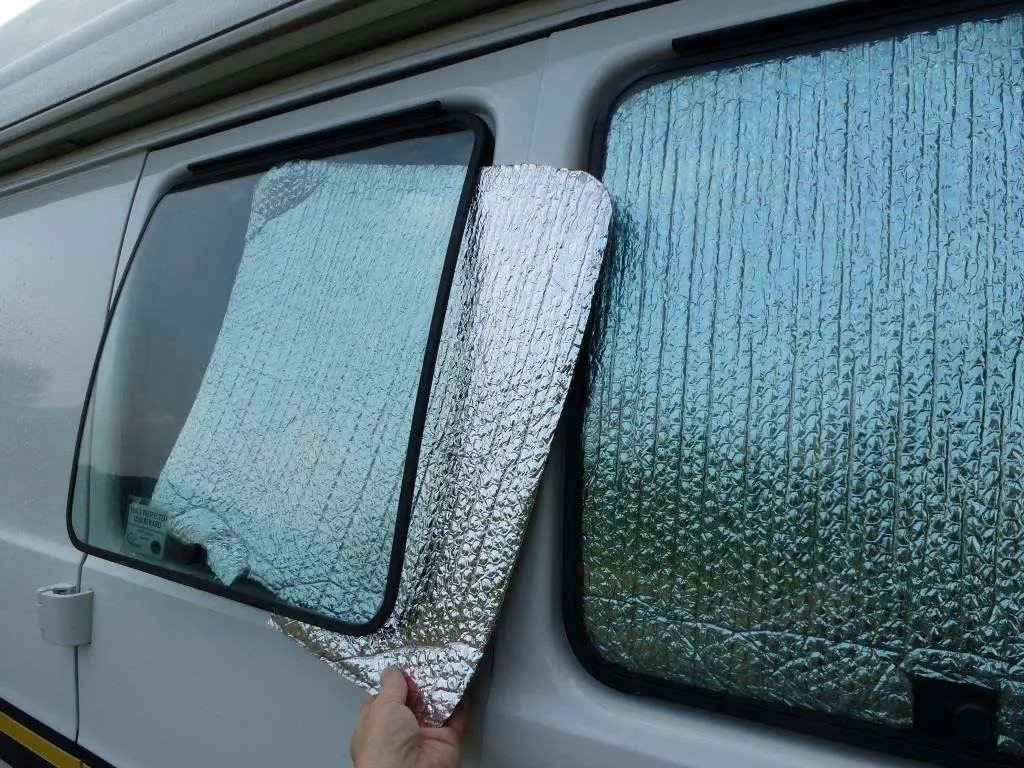
Identify the areas in your RV where cold air enters most and try adding insulation. Many RVs do not have double-pane windows, so check there first. Reflectix bubble wrap insulation is a simple and cost-effective way to insulate your windows. You can buy a small roll from your local hardware store, trim it to fit your windows, and attach it with Velcro. Keep the custom-cut pieces folded and stored, as they can also help keep your RV cool during hot weather.
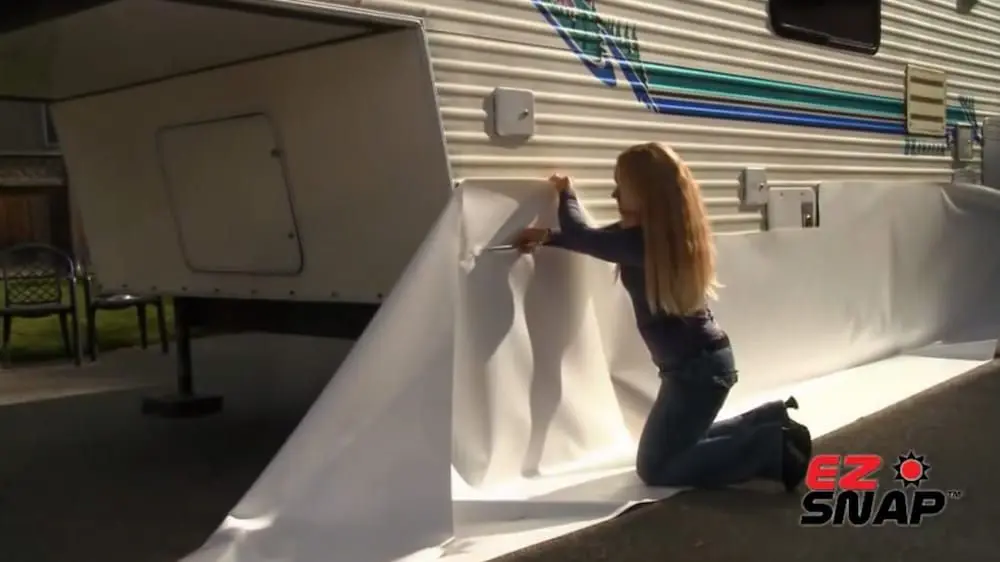
This is more ambitious, but if you’re staying in one place for over a day or two, think about adding a temporary skirt around the bottom of your rig to block cold air from coming up through the floor. There are inflatable skirts, which can be somewhat costly, and EZ Snap offers skirting at around $140 for every 10 feet. Even foam core, available at any home supply store, can be attached with Velcro and duct tape to keep the wind from blowing underneath.
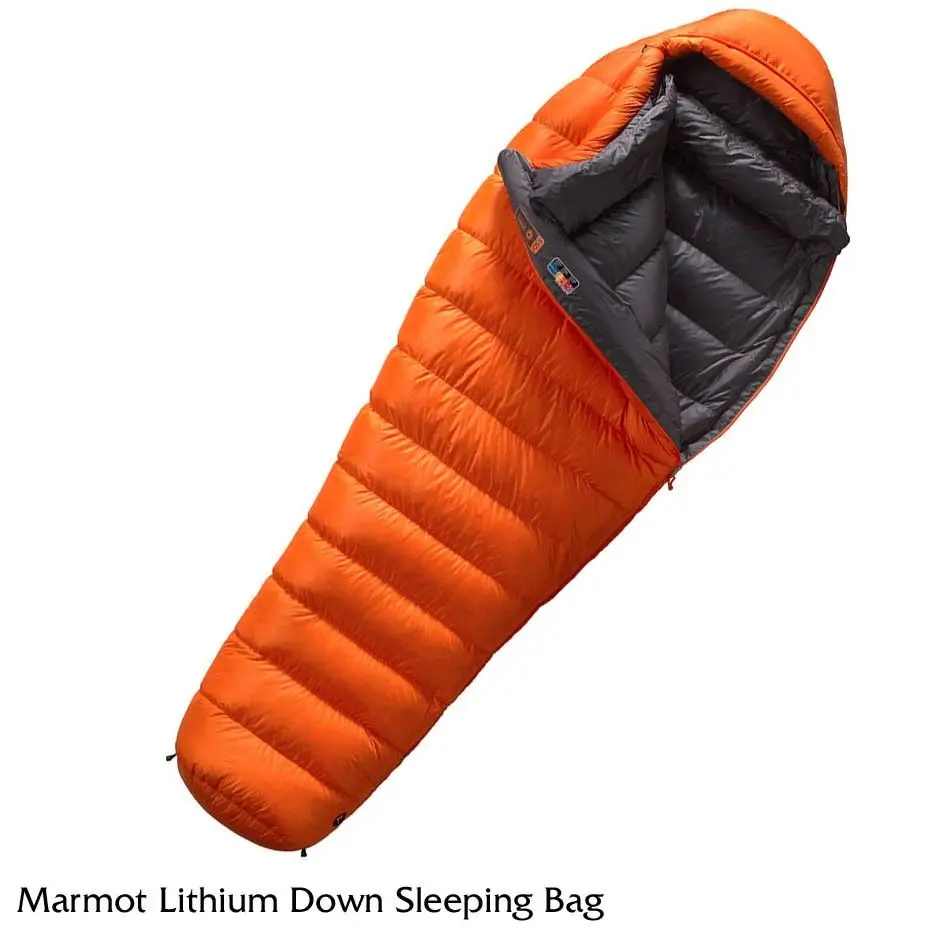
Keeping warm at night
Before your trip, consider bringing a battery-powered electric blanket. Once you’re ready for bed, this will keep you comfortable while the rest of the rig remains cold, and you can charge the blanket from your vehicle the next day. Another option is cold-weather sleeping bags. These wrap around you like a burrito and keep your body heat right where you need it.

Indoor Rated Propane Heaters
These devices use propane, but now you’re drawing from a small one-pound canister instead of your main tank, and they are designed to heat only the room you’re in, not your entire rig. The Mr. Buddy Heater is the most popular model and features an automatic shut-off switch that activates if it tips over or if oxygen levels in the room drop too low. Just be sure to thoroughly read the manual before using any such device in your RV.
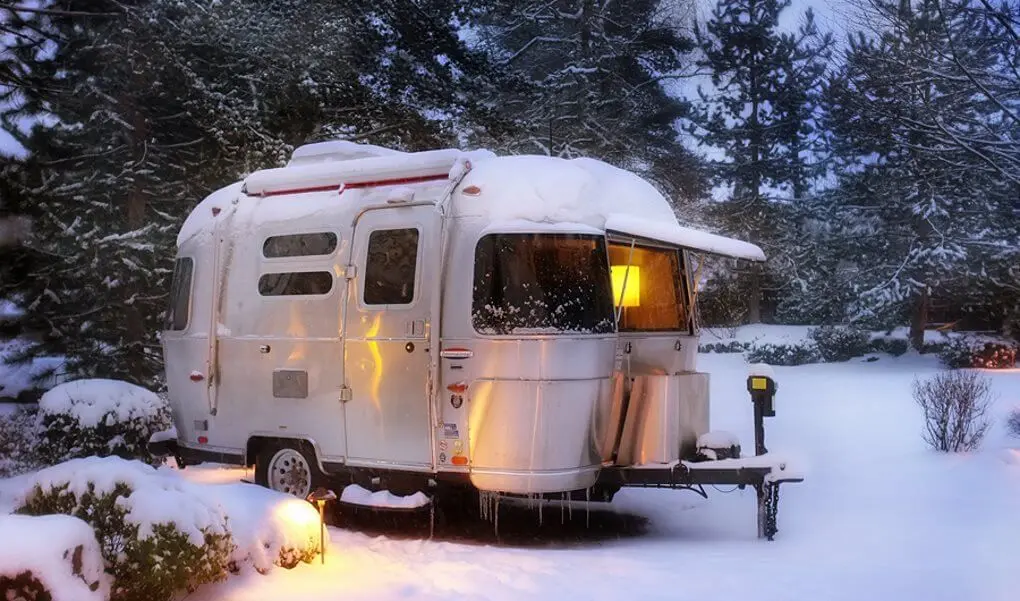
Knowing how to stay warm in your RV allows you to use it any time of year. It allows you to camp outside the busy season, enjoy stunning winter scenery, or return to a cozy home after winter activities. If you have more questions about using your RV in the winter, please ask the sales experts at Valley RV Supercenter in Auburn, Washington.