
Kid Swimming Safety: Pool Rules vs. Lake Rules
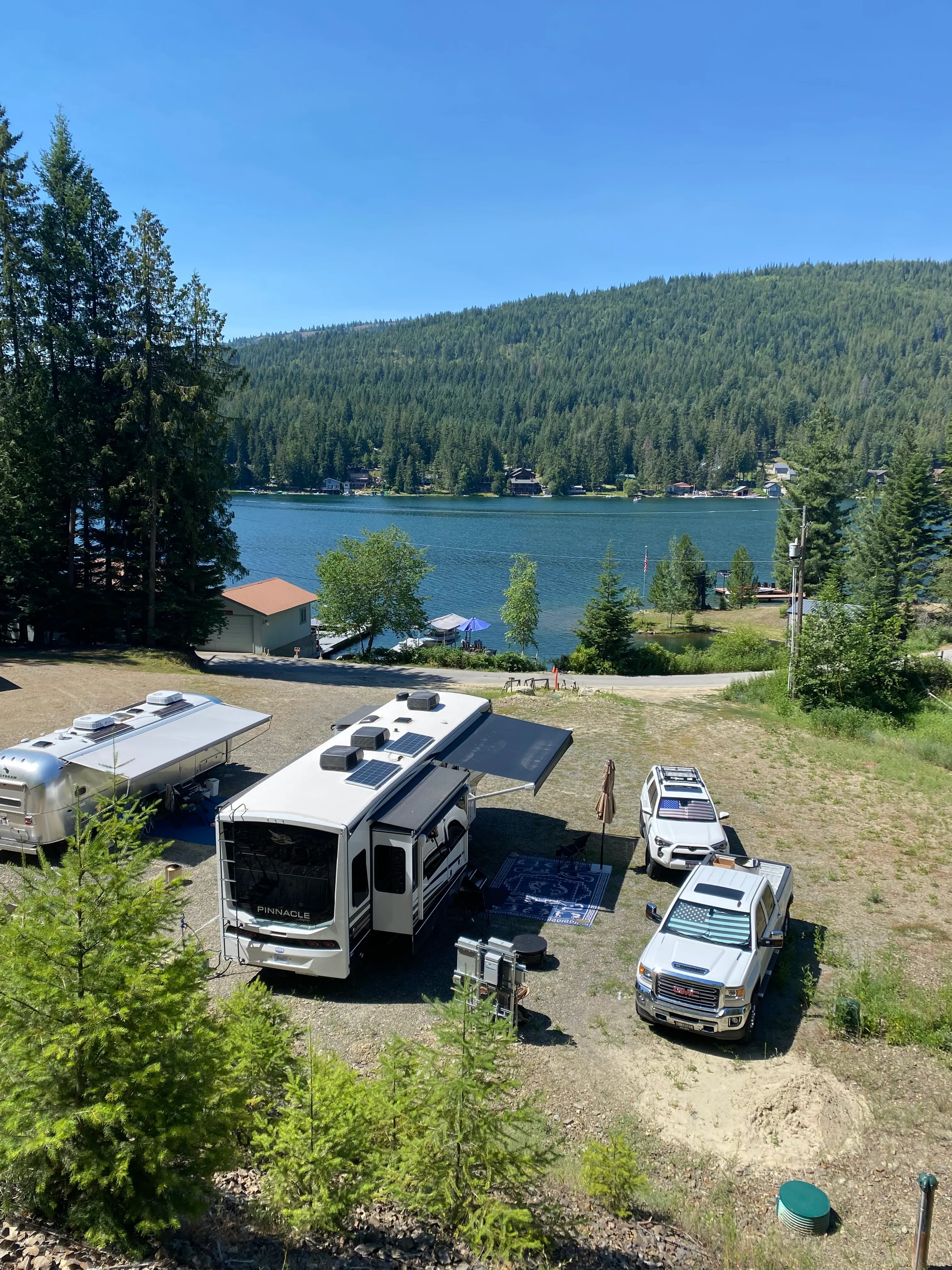
Bodies of water are always popular RV destinations, whether they are lakes or the Puget Sound, and they can be even more fun for the family if there is swimming access. Presumably, no one in your family is going to head into the water if they do not know how to swim. But most of us learned to swim in pools, and we are familiar with swimming pool rules. Many of those rules apply to lakes and the ocean, but Valley RV Supercenter wishes to remind everyone that you can’t treat a lake, river, or ocean as just a large swimming pool. There are many other factors to consider and be aware of.
- Colder Temperature – The recommended swimming pool temperature is usually between 78° and 82° F, and most of us have no trouble swimming in such temperatures while wearing traditionally minimalist swimwear. Beaches in Washington have a water temperature of that averages around 68°, and it can get as low as the mid-50s. This can create quite a difference for the body, so you should consider wearing more and having shorter stays in the water.
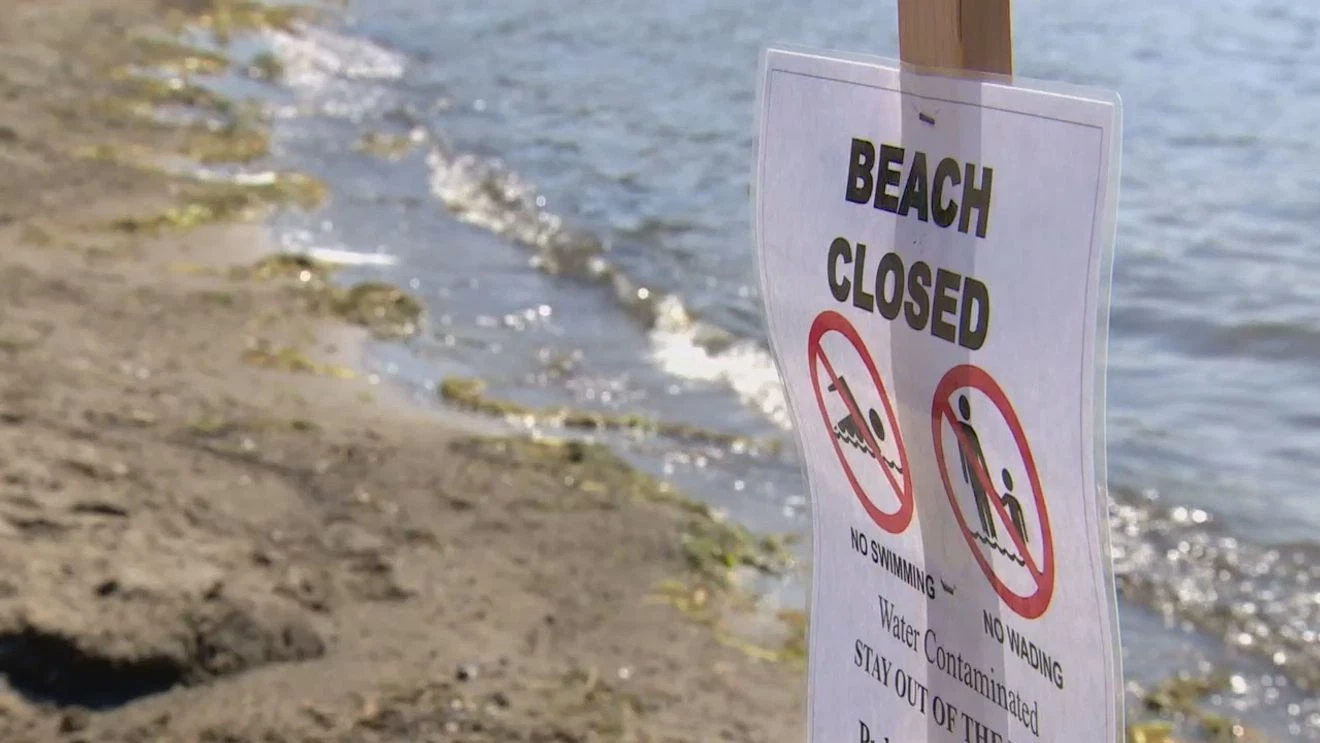
- Bacteria – Both private and public swimming pools are monitored and treated to keep them clean and bacteria-free. You can’t really do that with a natural body of water. It is home to birds, fish, and other aquatic animals, and they are going to do their thing. This doesn’t necessarily make them dangerous. After all, long before swimming pools or even treated water, mankind swam in and drank natural water. But it is something to be aware of. King County is home to countless beaches, and it maintains an online table of various bacteria counts, flagging those it considers dangerous. It is worth consulting this or similar information for planned destinations when planning your trip.
- Low visibility – Natural water is unfiltered and has a bottom of dirt, silt, or sand. It is entirely possible you won’t see your feet, and what lies on the bottom can be unpredictable, including litter people have tossed or dropped. Even natural items like rocks or tree roots can cut you or be slippery to stand on. The depth can be unpredictable as well, with unexpected drop-offs. Keep your movements measured when you can’t see the bottom.
- Currents – Ocean- or river-based water can have currents that can carry you to places you may not want to go. Be aware of currents and don’t try to outswim them. Swimmers get exhausted; the water never does.
- Size – You can’t get too far from the edge of the pool before you approach the opposite edge, so safety is a concern if you run out of breath or injure yourself. Most any kind of natural body of water is going to be far larger, and you can run the risk of swimming out farther than you feel comfortable swimming back. Always consider your swimming ability and endurance when judging distance from the shore and err on the side of caution.
- Boats and other Watercraft – Lakes, rivers, and the sound are also home to boats, and with reflections and other factors, swimmers can be harder to see than you think. Not all boats will warn you with noise either. Kayaks, canoes, paddleboards, and sailboards can approach silently and still injure you in a collision. Be sure to be aware of everything around you when sharing water with boats and watercraft.
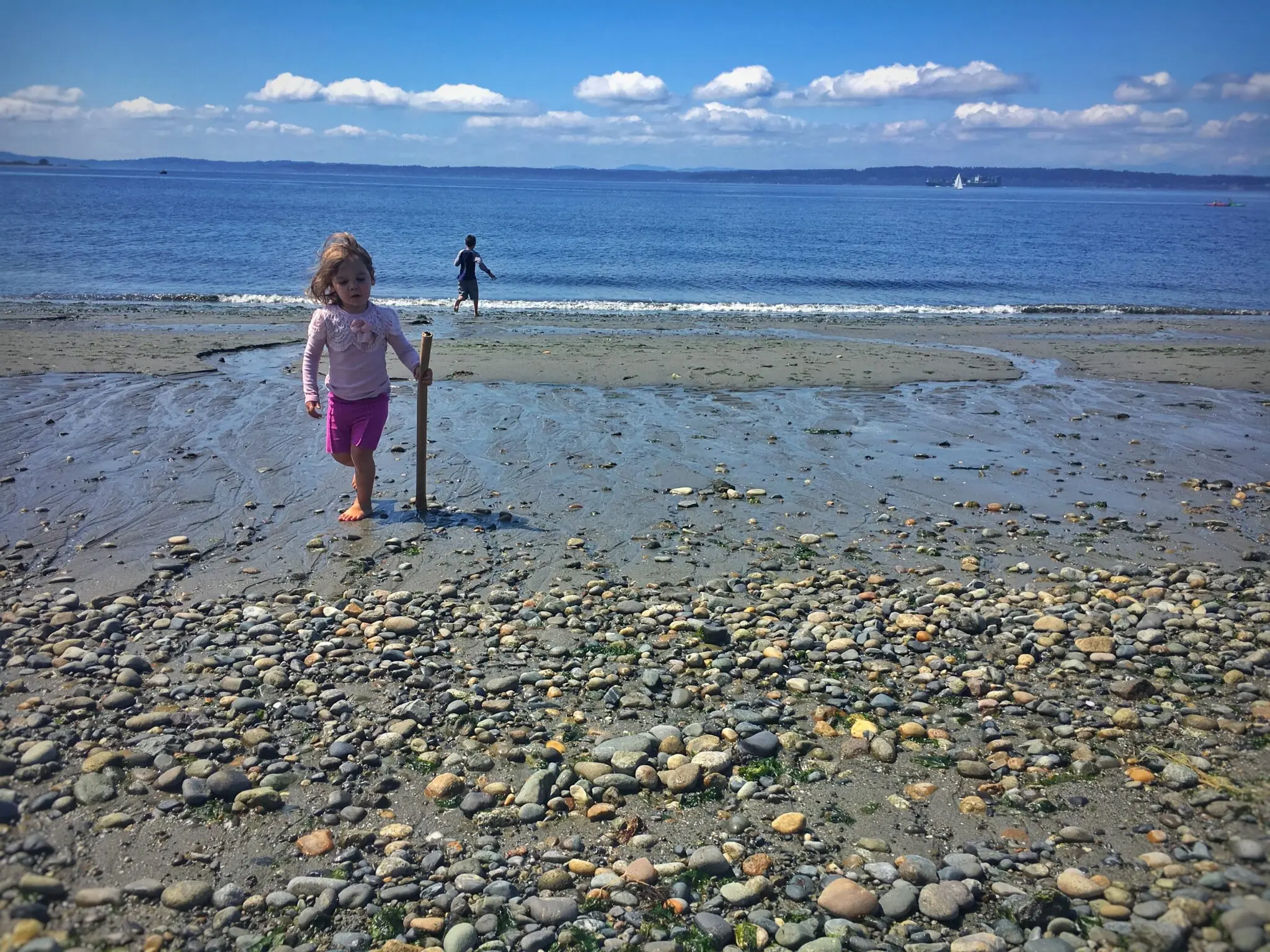
If you are playing on the water rather than in it, such as in a boat, please be advised that Washington State law mandates that children aged 12 and under wear a properly fitting life jacket when in boats less than 19 feet in length. Additionally, recreational boats must be equipped with a U.S. Coast Guard-approved life jacket for each individual on board.
Consider the following guidelines when camping adjacent to bodies of water that allow swimming:
- No minor goes to the water without an adult
- Kids must ask before leaving the campsite
- Life jackets go on before docks, boats, or paddleboards
- Pick a visible meeting spot
- Use the buddy system so everyone has someone aware of where they are in the water.
- Adults can rotate as the “water watcher”
- Teach kids what to do if they encounter trouble
- Remain calm
- Try to float with as little effort as possible
- Call for help
- In general, rescuers should throw a floatable device out, ideally with a rope rather than jump in after them
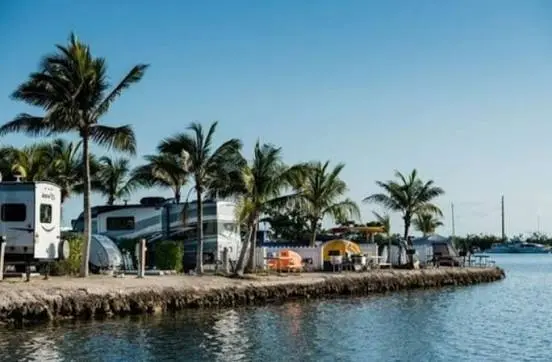
None of this is intended to discourage you from camping by the water and enjoying a swim there. Just keep in mind the additional things to watch for in a lake, the sound, or a river compared with swimming in a pool. Also, keep in mind RV features that can make such trips more enjoyable, such as bunk beds for bringing family and friends, easy-clean flooring, outdoor showers, pass-through storage, awnings, and plenty of towel storage. Look for these features and all the others you find desirable in the vast inventory at the Valley RV Supercenter in Kent, Washington.