
Max Tongue Weight vs Max Towing Capacity
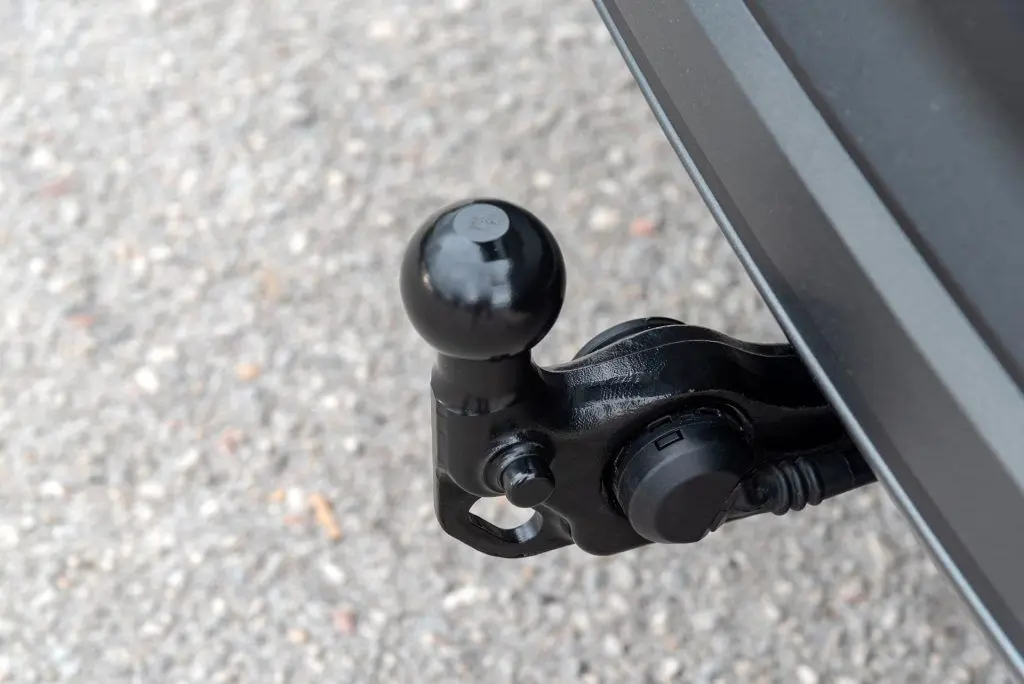
It’s easy to look at a truck’s towing capacity and assume that’s the only number you need to worry about, but there are other weights and capacities that come into play. Outside of maximum towing weight, there’s max tongue weight, which is a different but equally important number you need to know about. Here’s a quick rundown before you start towing a new RV.
What Is Tongue Weight?
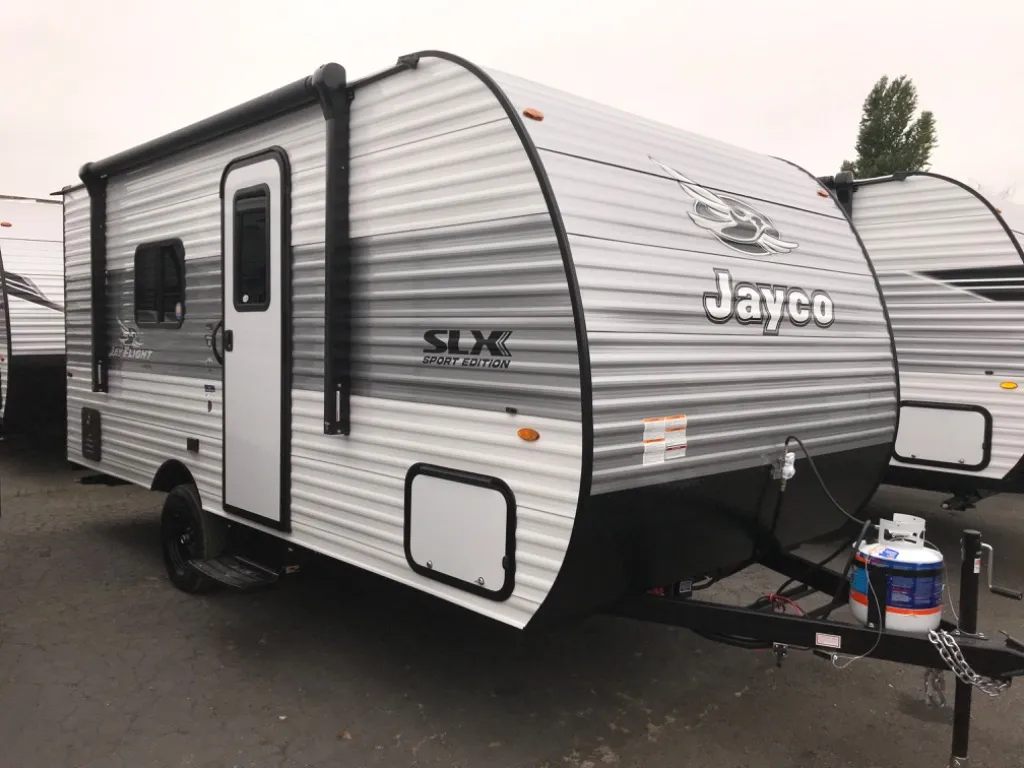
The trailer tongue weight refers to the maximum weight limit that can press down on the hitch. While it might seem like a trailer would only have a single tongue weight, the actual amount pushing down on the hitch is determined by where the weight is distributed on the trailer. A load closer to the hitch will create more weight on the tongue, while a load further toward the rear of the trailer can actually lift the hitch.
Even if it seems physically possible and doesn’t feel unsafe, it’s important not to exceed the maximum tongue weight, and it’s equally important to distribute the weight across the trailer to avoid safety issues. An unbalanced load can also cause issues with tire wear and handling. Most manufacturers recommend aiming for 60 percent of the load on the front half of the trailer and the other 40 behind the axle for the best balance, but that will vary based on the load, trailer, and tow vehicle.

What Is Towing Capacity?
A vehicle’s towing capacity is the maximum weight it can safely pull, and that number can vary depending on the hitch, vehicle equipment, and even the number of people on board. While the towing capacity is generally listed as a single number, it’s important to remember factors like weather, road conditions, inclines, and more before hitching up.
While a vehicle’s towing capacity is its absolute limit, it’s often best to stay below the maximum for safety, fuel economy, and handling. Heavier trailers put a more intense strain on the engine, taxing its components and burning more fuel. They also make it more difficult to traverse steep inclines, deal with inclement weather, and accelerate from a stop. Most modern pickup trucks offer dedicated towing features that make the process much easier, but it’s still best to stay within the recommended weight ranges.

Braked Trailers May Be Required
Braked trailers offer additional stopping power that vehicles require to deliver their maximum towing capabilities. The extra braking force reduces heat and wear on the tow vehicle’s brakes, and it can make towing on steep grades much more confident. Some truck manufacturers list different towing specifications for braked and unbraked trailers, so it’s important to pay attention before choosing a towing vehicle.
If you have any questions about towing or how to get the best out of your RV tow rig, come see us at Valley RV Supercenter. Our knowledgeable staff would be excited to walk through the basics of towing, including safely hitching up, and we’d love to help you pick out the perfect Jayco RV.