
9 Questions to Ask Before Choosing an RV
Buying an RV is a major decision, not only because of the cost but also because of how your choice affects your living situation and the trips you can take. There are several factors to consider. Some you might have thought about instinctively, others may not be obvious right away, and some may not come to mind until after you’ve purchased. Valley RV Supercenter provides this quick list of questions to ask before choosing an RV.
How Many People Must It Accommodate?
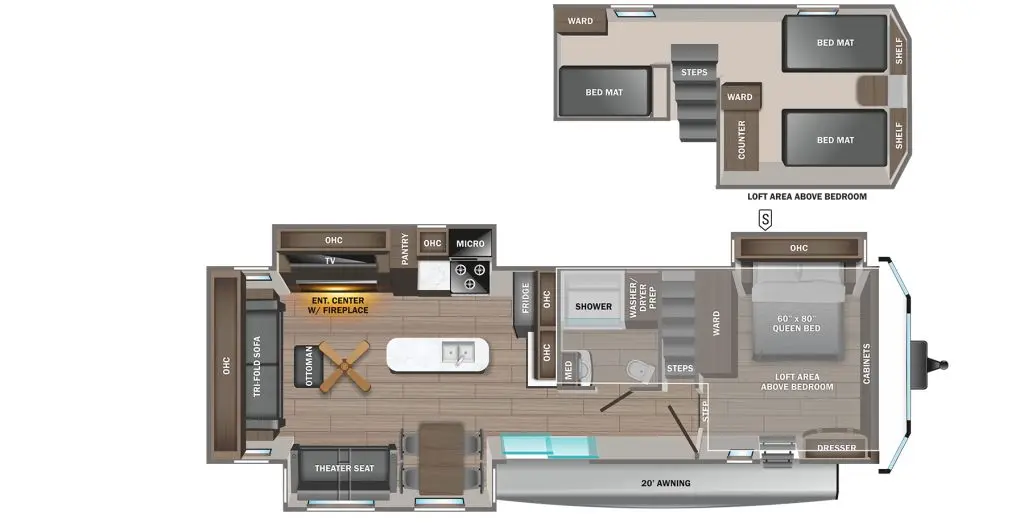
It’s no surprise that more people coming with you means you’ll need more space. Keep in mind that extra sleeping arrangements might involve converting couches or dinette tables, which you might not want to set up each night and take down every morning, especially if those using them are late sleepers. Therefore, you might want to look for rigs with permanent bed space.
To Tow or Not to Tow?
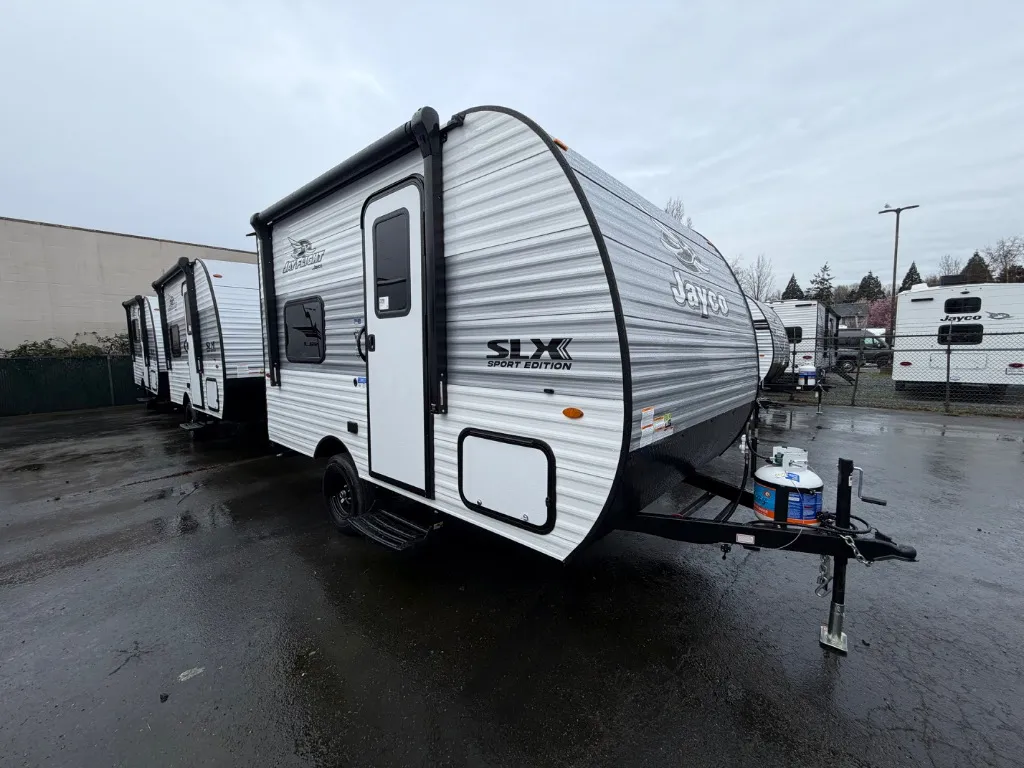
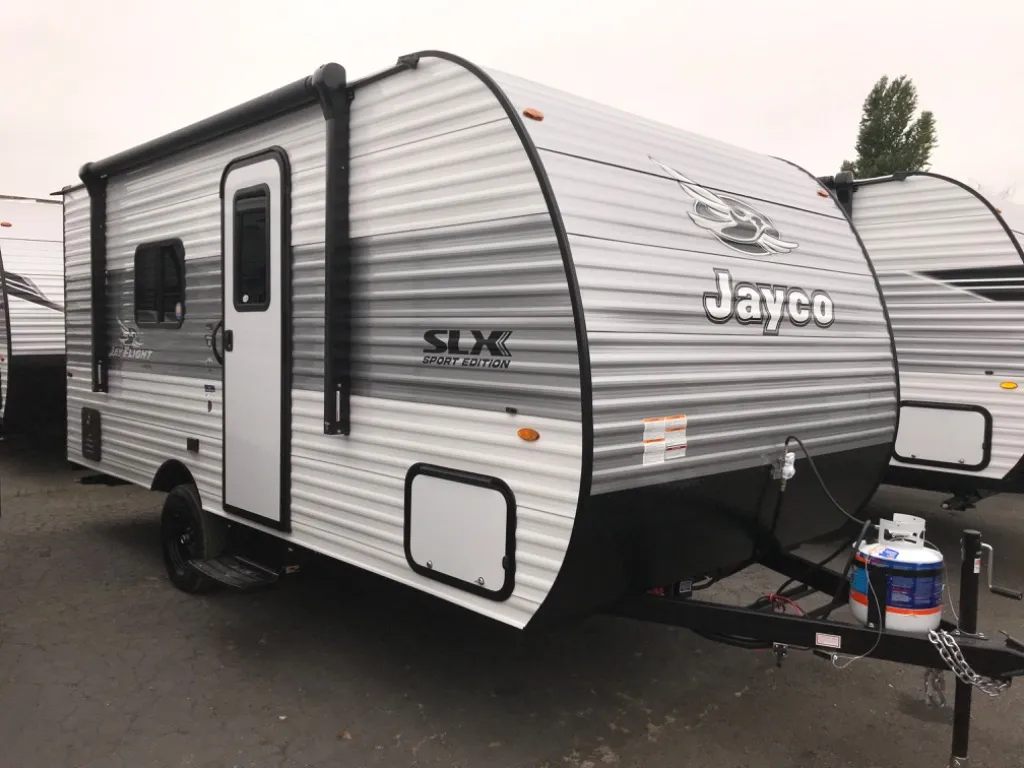
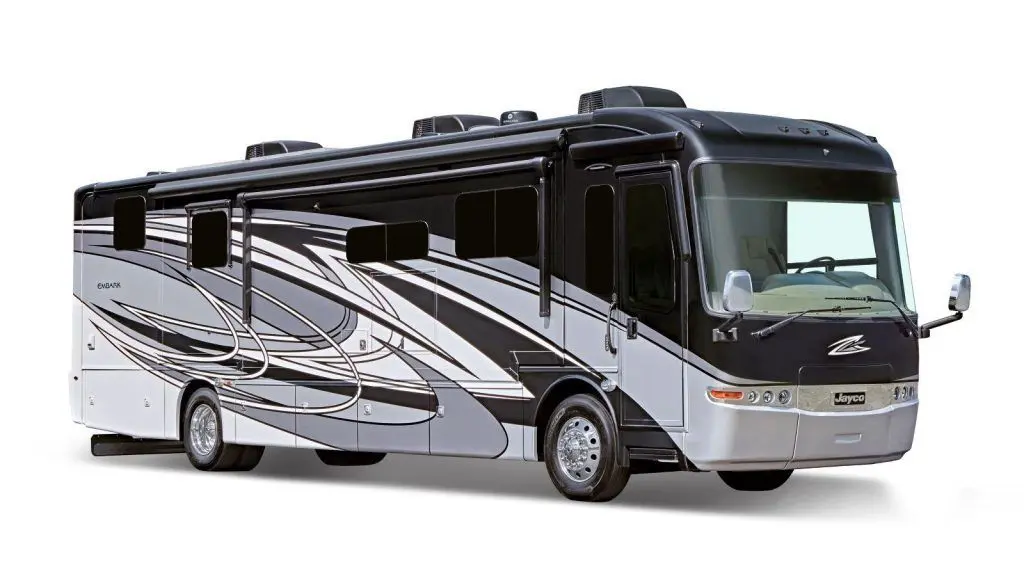
This, of course, is an important question. Driving a Class A, B, or C RV can make travel very comfortable and convenient. Class B or C models can even be relatively easy to drive in town and park. But of course, wherever you go, you take your home with you—unless you tow a travel vehicle behind, which requires certain capabilities of your motor home. Pulling a trailer makes it easy to settle in one place, but then go off exploring in your tow vehicle. However, that does involve the added complexities of towing, and you need to ensure you have a suitable tow vehicle for the RV you plan to use.

Will you spend most of your time in your RV or outside of it?
Hopefully, you’ve done enough camping already to have some idea of this. Do you enjoy cooking, eating, and playing outside, and just really want a nice place to sleep and change clothes? If so, a big Class A rig or 5th wheel trailer with pullouts, sofas, and big-screen TVs may be more than you need. Having too much doesn’t just cost in the RV purchase, but also in travel fuel costs and maintenance. Of course, if you like bringing the comforts of home with you, that’s another story, and there are rigs to accommodate you to the far extent of your budget.
What kind of camping do you want to do?
Do you prefer campgrounds with plenty of amenities? Or do you want to escape from everything and everyone? Are you planning to spend each night of your trip in a campground or just boondock along the way? These choices can influence the type of rig you select. A large Class A is ideal for full-service campgrounds and, if you’re self-sufficient, for boondocking as well, but it’s not suitable for deep in the wilderness where you are completely alone. That situation is better suited for a 4×4 van camper or a trailer with high ground clearance.

Where Do You Want to Camp?
This is more critical than you might initially think. If you want to visit national or state parks, many, if not most, are not designed for large RVs. Many such parks require vehicles to be 35 feet or less, and some suggest not exceeding 32 feet. If your rig is within this size, these parks are accessible to you. Additionally, just because your big Class A has plenty of capabilities, not all campgrounds can accommodate them, such as providing 50-amp power instead of 30-amp, or having drive-through sites versus requiring backing into your spot.
Do You Plan to Travel All Over, or Do You Have a Favorite Spot?
Some people have a favorite spot they like to visit every year. They know the campground well and exactly what kind of rig is best for staying there. Some may even store their RV nearby and just drive it a short distance to the campsite. In this case, the RV serves as a sort of vacation home. That kind of consistency makes choosing an RV easier because you know what to expect. However, if your goal is to explore new places constantly, you’ll need to consider how easy it is to travel, not just to stay put. This includes fuel costs and the higher maintenance expenses that come with more miles.

Who and How Many Will Drive?
With the exception of conversion vans and pickup campers, traveling with any type of RV requires additional driving skills. Towing even a small trailer like a pop-up camper still demands towing expertise, and the larger the trailer, the more skill it requires. Large Class A or Class C motorhomes necessitate a driver who is comfortable handling significantly large vehicles. It helps to have more than one driver, but every driver must feel confident with the driving skills needed.
What is your Budget?
This is the most obvious question, but it is placed at the end because many of the other questions need to be answered first. Obviously, the more you have to spend or can finance, the more options you have. Even if your budget is generous, make sure you have answered the questions above so you don’t end up with something big and fancy that won’t let you go where you want to go or is not sufficient enough to do what you want it to do.

How Long Do You Plan to Keep Your RV?
Is your family young and growing, which might require a larger RV later? Are you retired and planning to RV full-time? Over time, many people switch to a larger or even smaller RV after discovering what truly matters to them. This is hard to predict, so remember that your first RV purchase may not be your last.
Don’t let these questions discourage you. RVs are fun, and shopping for RVs is an enjoyable experience. Exploring each rig sparks many ideas. However, it’s wise to have the answers to these questions ready so that, amid all the fun, you still end up with the RV you need and want. Visit Valley RV Supercenter, where our experienced staff is always prepared to help you answer these and any other questions you might have.