
North Cascades National Park: Common Clues That Your RV’s Freshwater and Holding-tank Systems May Need Attention
Plan the trip up State Route 20 with water tanks topped off and holding tanks genuinely empty, because once you pass Marblemount the nearest RV services disappear and so does reliable cell coverage. That's the one thing that sets a North Cascades run apart from a campground with full hookups 20 minutes from home. Diablo Lake glows an almost unreal shade of turquoise. The old-growth cedar along the Skagit River corridor earns its silence. These are the campsites that make you want to stay a day longer. They also give you zero electrical hookups, no water connections, and limited dump access, so your freshwater and holding-tank systems carry the whole trip on their own.
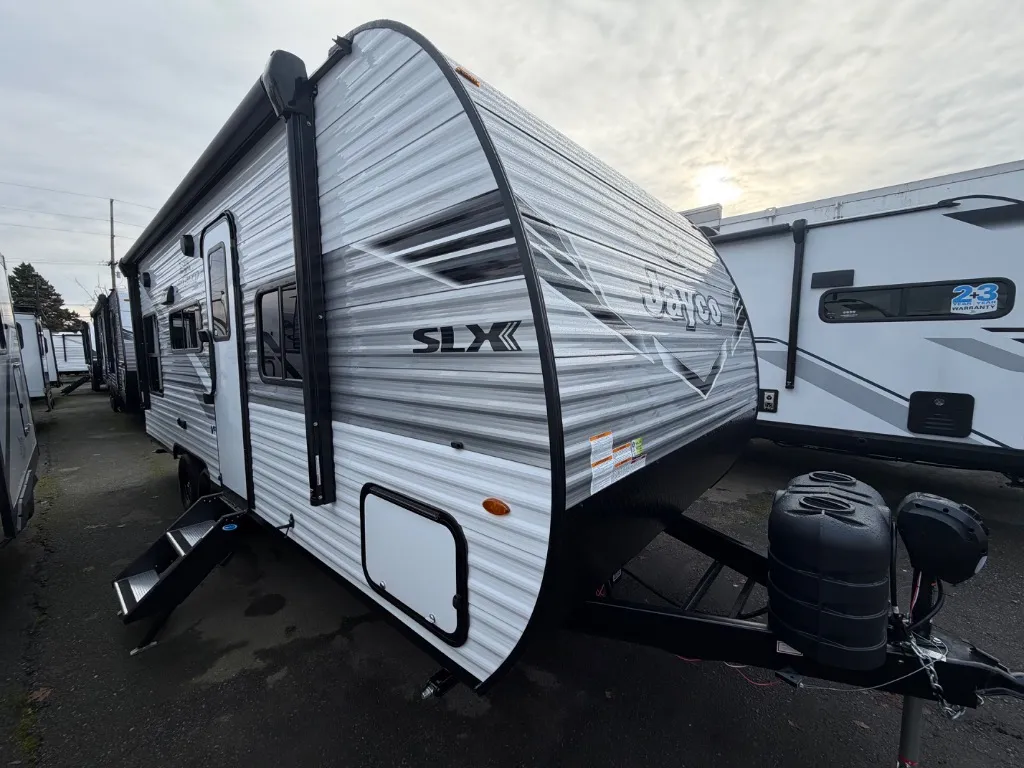
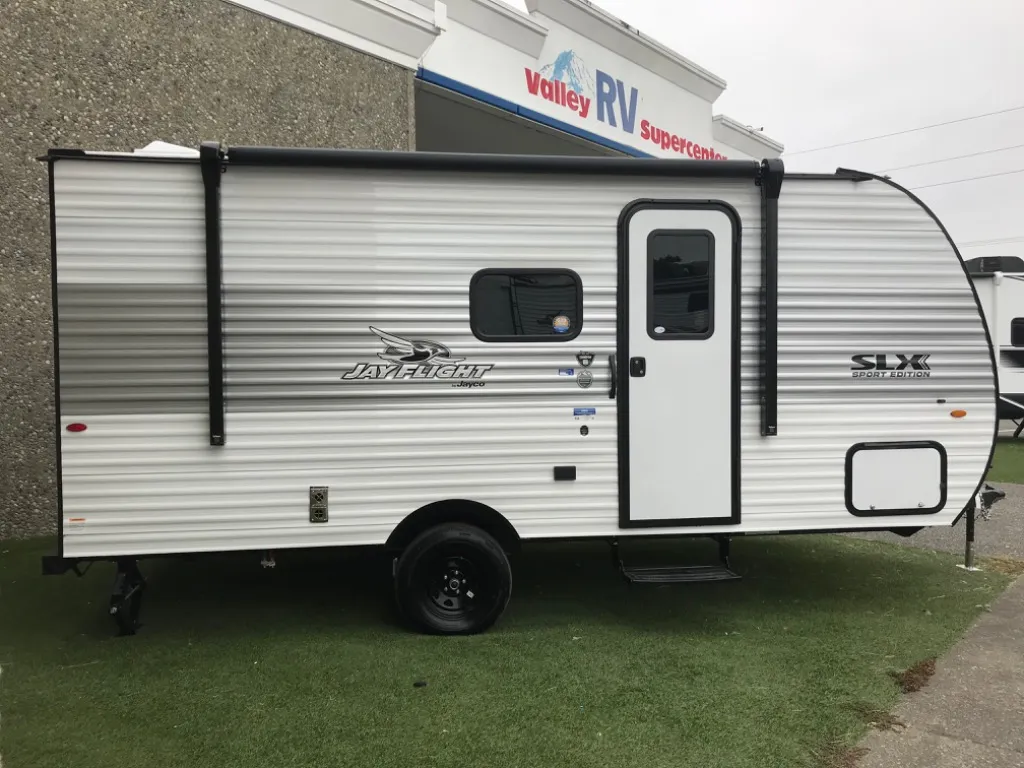
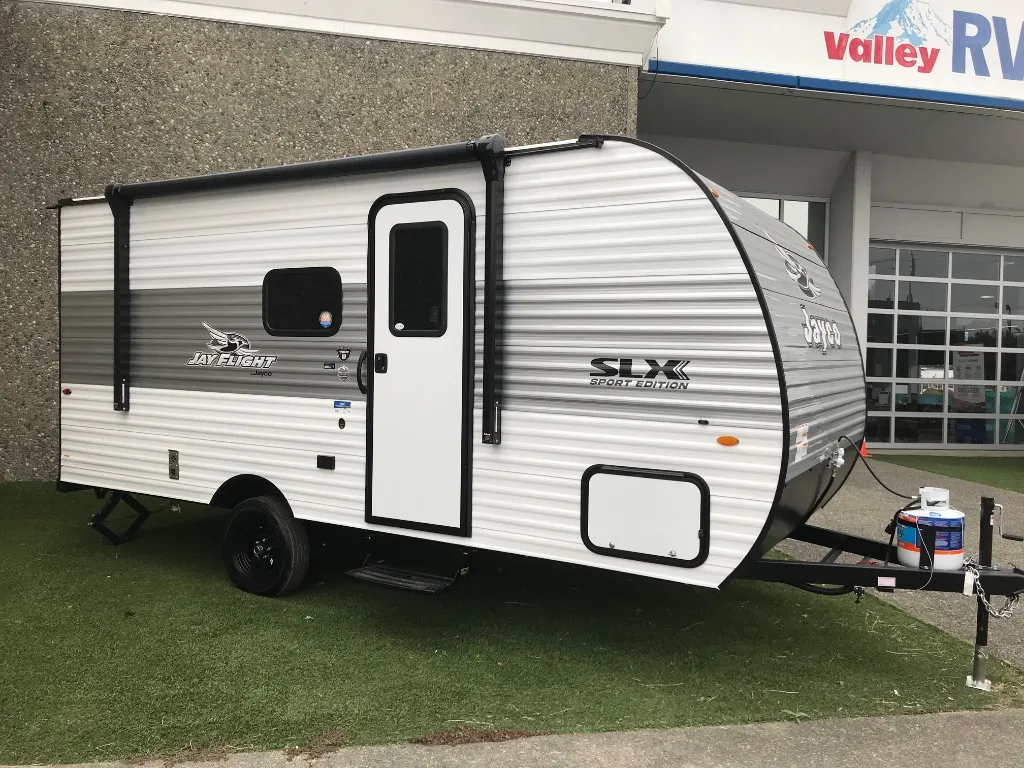
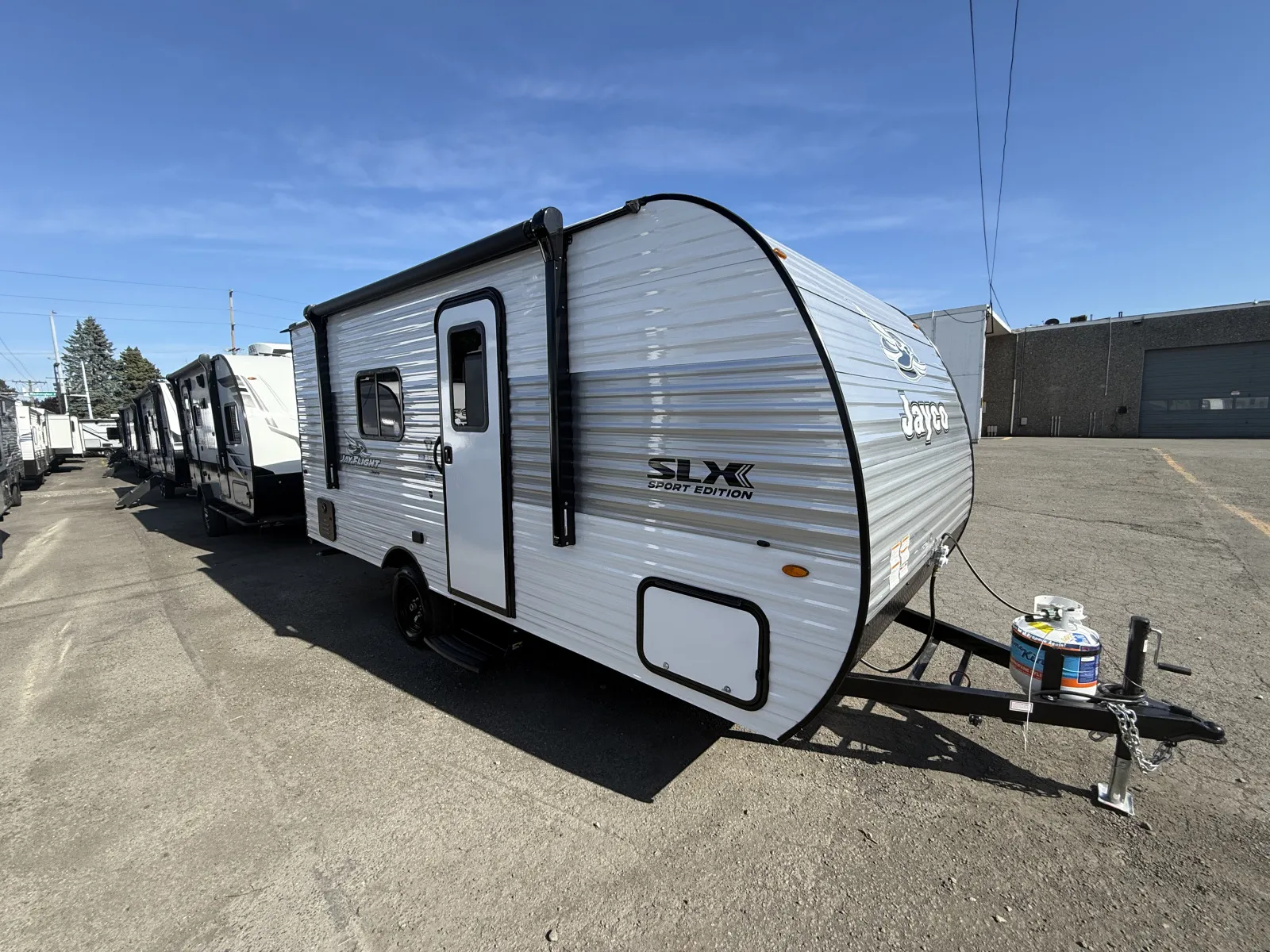
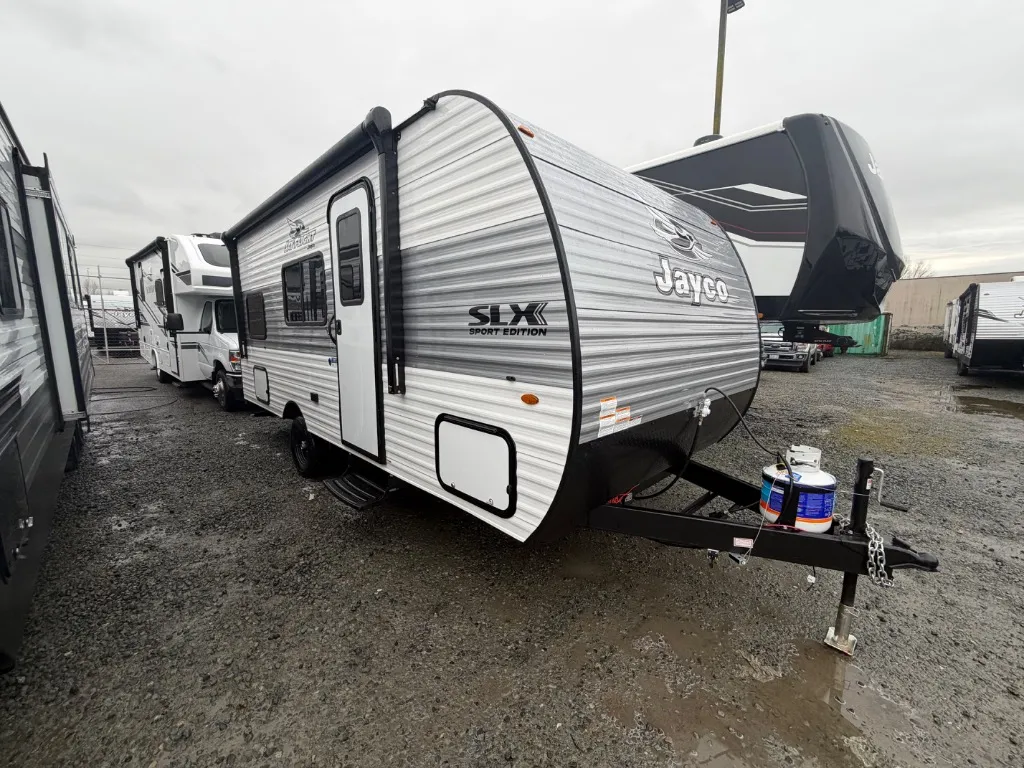
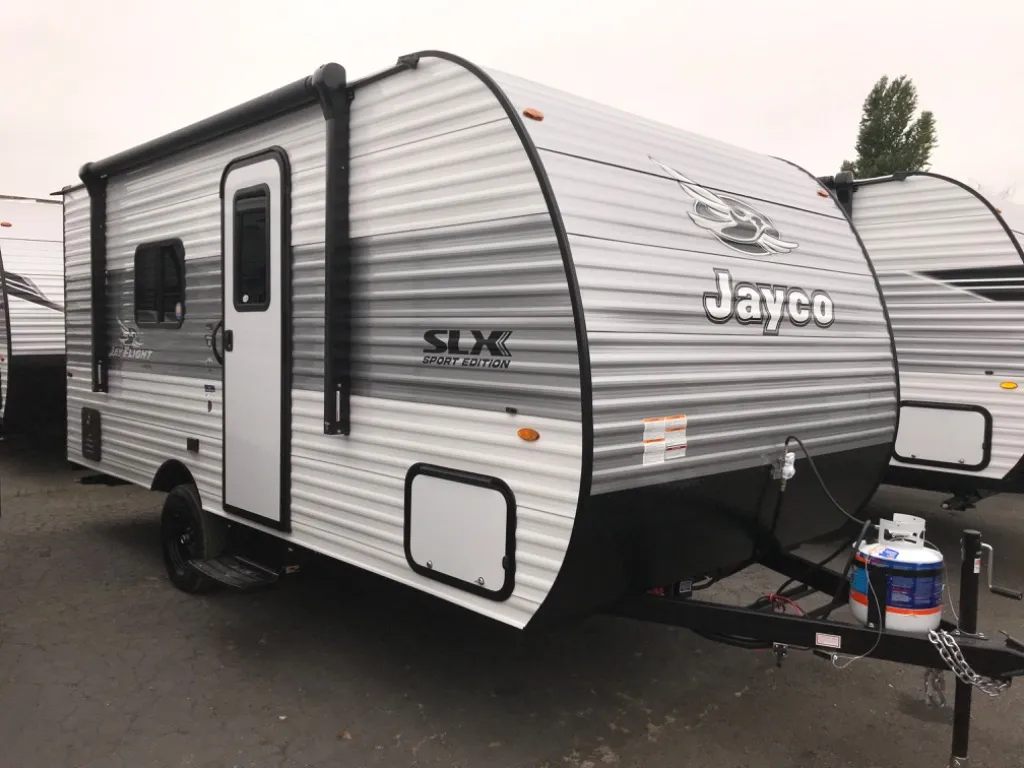
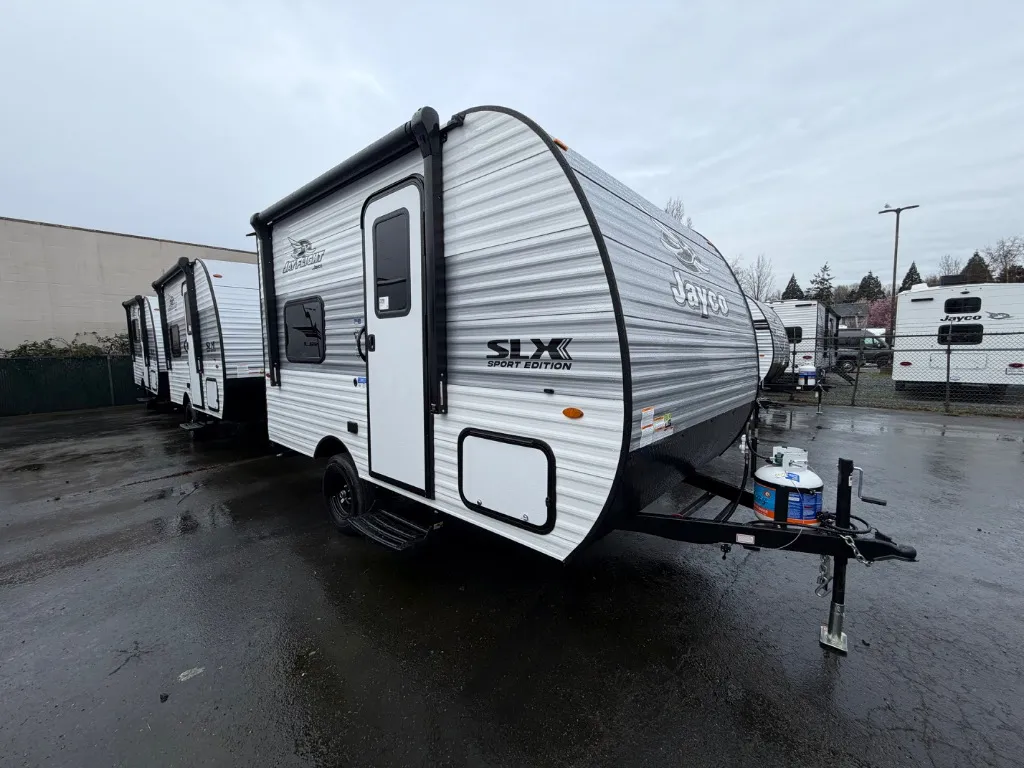
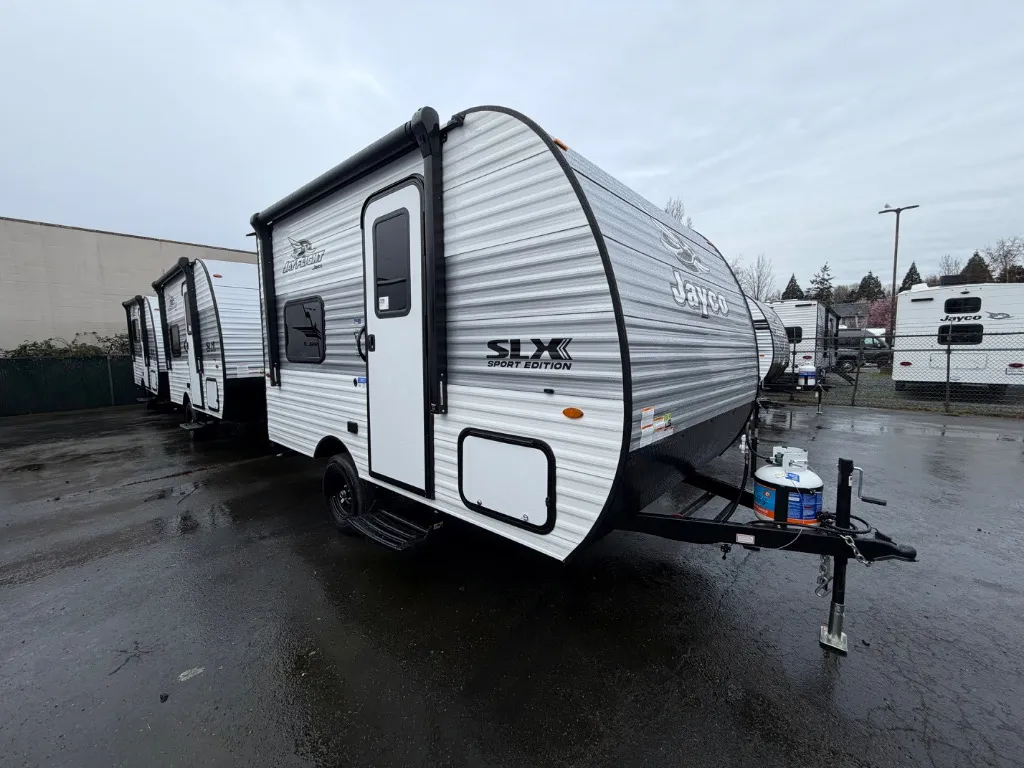
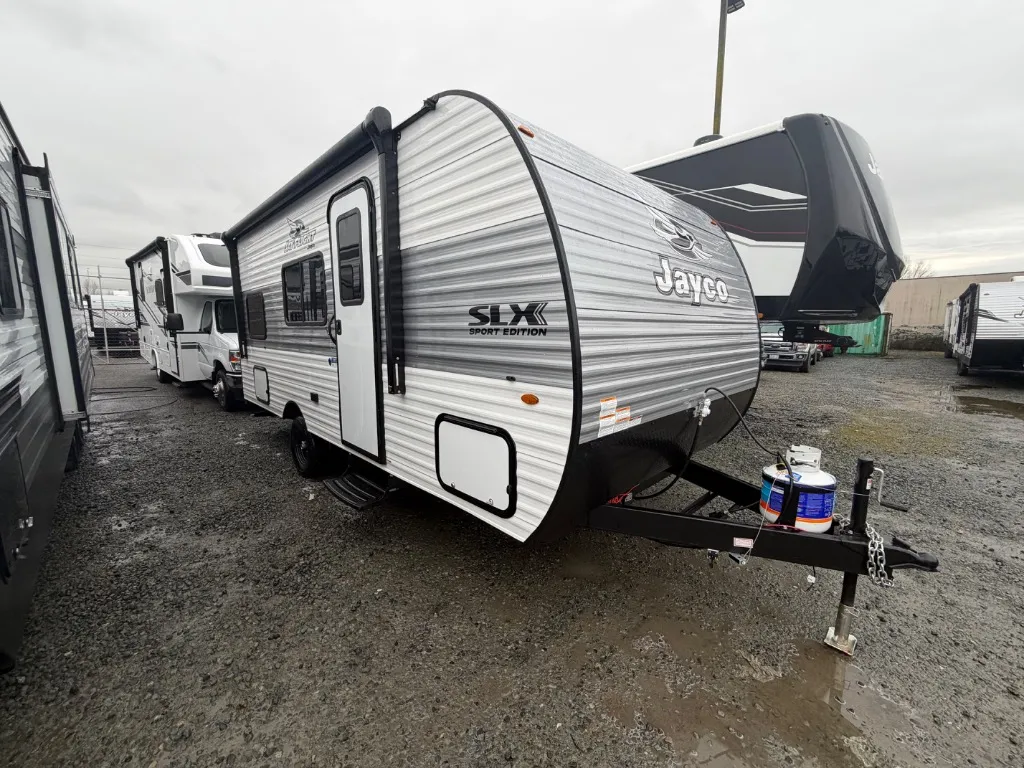
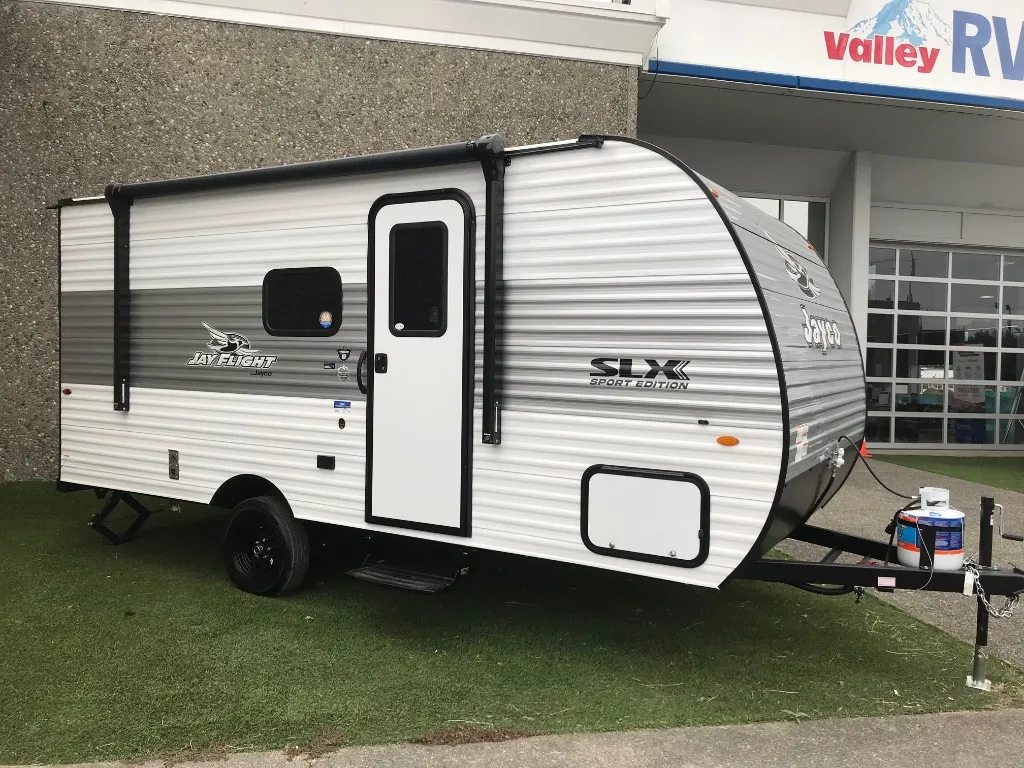
A well-prepped Jayco Jay-Flight has the freshwater capacity to get a family through a multi-day stay at Newhalem Creek or Colonial Creek without rationing every cup of coffee. But that only holds if the system's working the way the monitor says it is.
What's the plan at a glance?
The plan is simple to map but unforgiving if you skip a step, so top off and dump at Marblemount, base yourself at Newhalem Creek or Colonial Creek, and treat the visitor center as your last reliable source of ranger info before coverage drops off.
| Stop | What to do | Best time | Parking / notes |
|---|---|---|---|
| Marblemount | Last fuel, supplies, dump if needed | Arriving or departing | Nearest services before the park complex |
| Newhalem Creek Campground | Base camp, Skagit River, Ladder Creek Falls trail | Late May - early Sep | 107 sites, RV max 50 ft, dump station on site, no hookups |
| Colonial Creek South | Diablo Lake views, Thunder Creek trailhead | Late May - early Sep | Dump station on site, no hookups, uneven gravel |
| Colonial Creek North | Quieter, fewer sites, across SR-20 | Late May - early Sep | RV max 25 ft, no hookups |
| North Cascades Visitor Center | Ranger info, trail maps, exhibits | May through September | Half mile from Newhalem Creek by trail or road |
Reservations for all drive-in campgrounds along SR-20 run through Recreation.gov, and you can book up to six months in advance. Peak season runs late May through early September. Colonial Creek South fills fast on summer weekends, so don't wait.
What these campgrounds actually give you (and don't)
No campground inside the North Cascades National Park complex offers electrical hookups or water connections at the site, so you're self-contained the moment you arrive, though Newhalem Creek and Colonial Creek South each hand you a dump station and seasonal potable water spigots to work with. None of them. Colonial Creek North caps rig length at 25 feet. Cell coverage at most park campgrounds runs from spotty to nonexistent, and the nearest services are in Marblemount.
Given that context, water and holding-tank systems need to be genuinely road-ready before you pull onto SR-20. You're self-contained by necessity, not by choice.
The Jayco Jay-Feather line is a popular choice for families making this run because the payload stays manageable on the pass grades. Fresh and gray tank capacity still varies by floorplan, though. Know your specific numbers before you leave the driveway.
Freshwater warning signs worth knowing before you go
Your freshwater system usually gives you advance notice, and that's the good news, but the clues are easy to wave off in the driveway and close to impossible to fix once you're at Newhalem Creek with no hookups and no shop in range.
The water pump cycles when no faucet is running. The pump running on its own is the clearest signal the system gives. When it kicks in to re-pressurize the lines, it's compensating for a slow leak somewhere downstream of the pump. Left alone, that means a wet floor bay, a soaked sidewall, or mold behind a cabinet at a campsite 70-plus miles from the nearest help. Trace it before any self-contained trip.
The monitor reads full but the tank empties faster than expected. Tank sensors are notorious for sticking. Mineral deposits coat the contact probes over time and push the panel to report a higher level than actually exists. At North Cascades, the practical consequence is thinking you've got two days of water when you've got eight hours. Cross-check the monitor against how much water you physically put in at the last fill point, and trust the physical number.
The tank fills slowly or water splashes back at the fill port. A blocked freshwater tank vent traps air inside the tank and keeps it from filling completely. If you notice sluggish fill or blowback at the inlet, the vent needs attention before the trip.
A puddle of clear water under the rig on dry pavement. A freshwater leak from the tank or a supply line will find the ground. Clear water pooling under a parked rig on dry pavement isn't condensation. Figure out which fitting or tank is the source before you head into the mountains.
Schedule a Pre-Trip Water System Check
Holding-tank clues that can cut a four-day trip short
Gray and black tanks are less forgiving than freshwater, and the North Cascades setup raises both the stakes and the timeline, so a clue you'd shrug off at home can end a stay early once you're two days deep with no hookup and nowhere close to fix it.
Our service team knows these systems, and the pattern holds up. Holding-tank trouble that started as a small, dismissible clue at home becomes a genuine problem by day two of a backcountry stay with no hookup and nowhere nearby to address it.
Slow drain in the sink or shower. When the gray tank nears capacity, the first thing you notice is sluggish drainage from the sink or shower. That's it. No alarm, no warning light in most systems. If your sink already drains slowly at home before a trip, assume the tank's fuller than the monitor shows, and dump before you leave.
A sewer smell that gets stronger while driving. A stronger smell at highway speed catches people off guard. When a holding-tank roof vent is partially blocked, airflow over the roof while driving creates a low-pressure zone (the same effect that draws smoke up a chimney) that pulls sewer gas back into the rig rather than out through the top. The smell fades when you stop and returns at highway speed. A blocked vent is cheap and straightforward to check, and it matters on a two-hour drive through mountain terrain where you can't pull over and troubleshoot easily.
The toilet bowl slowly losing water between uses. A toilet that holds water in the bowl is sealing the black tank off from the living space. When the ball seal begins to fail, the bowl drains between uses and you smell the tank in the bathroom. A failing seal on a four-day no-hookup stay with the nearest service bay in Marblemount is the kind of thing that sends people home a day early.
Gurgling when you flush. Gurgling at the toilet points to a nearly-full black tank or a restriction in the vent line. Both are fixable at home in an afternoon. Neither is fixable on a Saturday evening at Colonial Creek South.
The holding-tank monitor reads full well ahead of schedule. The same mineral-and-biofilm fouling that throws off freshwater sensor readings hits black and gray tank sensors too. If the display reads full after one day of use on a trip where it's never done that before, trust the display and dump. A mistaken reading costs you less than an overflow.
Matching the rig to a self-contained stay
The North Cascades run rewards campers who've done the pre-trip work and punishes the ones who haven't, because the margin for error shrinks with every mile past Marblemount, and the deeper you go the fewer options you have if something on the water side lets go.
If you're still working out which floorplan suits this kind of trip, the variables that matter here are fresh and gray tank capacity, pump reliability, and rig weight relative to the grade on SR-20. A Jayco Eagle fifth wheel gives experienced RVers four-season construction quality and the tank volume for a serious extended stay. For families towing with a half-ton, the Jay-Feather lineup keeps GVWR manageable on the pass while still providing enough fresh and gray capacity for a genuine four-day self-contained stay. Always verify your specific tow vehicle's ratings and the unit's door-jamb label before heading over any mountain pass. The published Jayco specification sheet lists the GVWR and hitch weight for each floorplan, and your tow vehicle manufacturer's documentation confirms what it can handle.
Newhalem Creek sits in old-growth forest alongside the Skagit River, an easy walk from Ladder Creek Falls. Colonial Creek South puts you at the edge of Diablo Lake, one of the more remarkable views in Washington State. Neither site is somewhere you want to leave two days early because a pump or a seal handed you a warning sign you caught too late.
Get the rig checked, get the reservation locked, and get up there while the season's still running.