
Recognizing and Avoiding Drowsy Driving - Driver Safety
Mainstream passenger vehicles, trucks, and motor homes all put considerable effort into making you comfortable during your drive. Driver assistance technologies like conventional or adaptive cruise control and lane keeping assist can also make long-distance driving easier, but there is a catch. All this comfort and relaxation, combined with some external factors, can lead to sleepiness in the driver, which goes by the self-explanatory term drowsy driving. Unfortunately, drowsy driving can easily result in a dangerous accident. Valley RV Supercenter offers some tips on recognizing and avoiding drowsy driving.
Determining when drowsy driving causes an accident isn’t always easy. The National Highway Traffic Safety Administration (NHTSA) estimates that in 2017, drowsy driving probably led to at least 91,000 crashes, resulting in about 50,000 injuries and 800 deaths. Additional research suggests that roughly 21% of fatal vehicle accidents involve a drowsy driver. Part of these high numbers is because drowsy driving often happens on highways at high speeds. Driving around town with its turns, stops, and other vehicles constantly entering and exiting the roads generally demands your attention. However, highway driving at higher speeds is usually more relaxing with fewer issues to keep you alert.
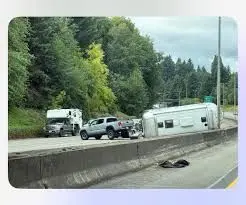
One element of drowsy driving is microsleeps, which is the term for dozing off for just a few seconds. You may have experienced this at some point. You are not aware of it until you “wake up” behind the wheel at speed and realize you can’t account for the last few seconds. You were lucky, since at highway speeds, just a few seconds is enough to drift out of the lane, possibly into opposing traffic or just off the road entirely.
Causes of Drowsy Driving
Unsurprisingly, the leading cause of drowsy driving is a lack of sleep. Adults should aim for between seven and nine hours of sleep each night, but many fail to reach this recommended amount. This can be especially true for RV drivers, whether in a motor home or towing a trailer, as the previous evening might have been spent preparing and packing, pushing bedtime later into the night. Once in bed, falling asleep can be difficult as you run through to-do lists and try to remember tasks or items you forgot. Clearly, sleep disorders, alcohol, and medications can also significantly contribute to drowsiness.
The time of day can also be a factor. Most drowsy driving accidents happen between midnight and 6 AM, which is when most people’s bodies expect to sleep. Another high-risk time is mid-afternoon. This may be when sleep deprivation from the night before catches up with you, and a large lunch can cause your body to redirect energy toward digestion. Being seated comfortably for an extended period can make the problem worse.
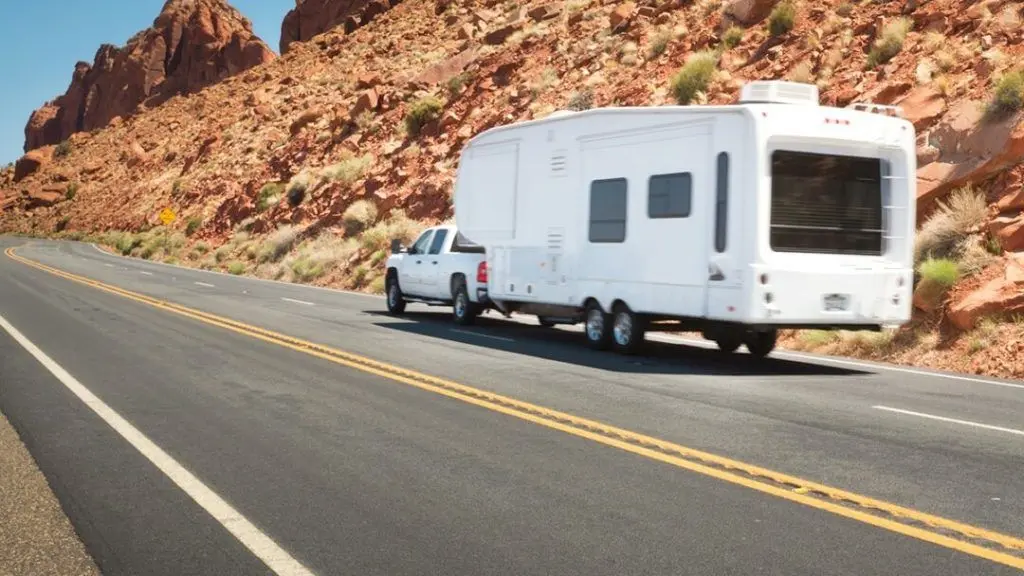
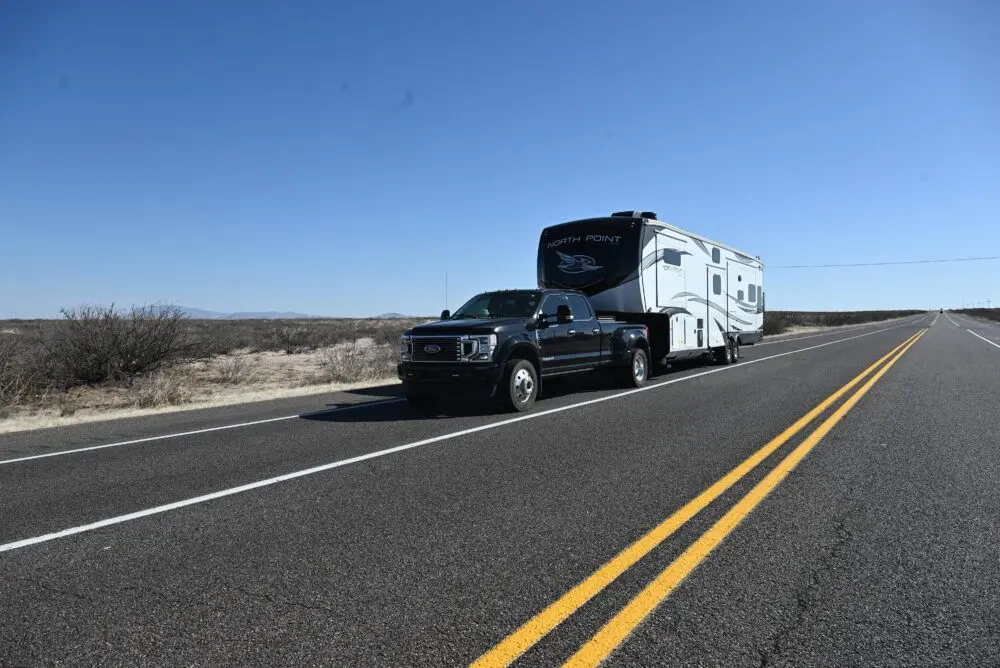
Whether towing or driving a Class A, B, or C vehicle, RV drivers are especially vulnerable to drowsy driving because they often travel long distances on highways at more relaxed speeds. These vehicles are less nimble, generally wider than usual, and are more affected by external forces like high winds. Furthermore, RV drivers are often outside their normal routine, which can also decrease their energy levels.
Signs of Drowsy Driving
Besides just a general feeling of sleepiness, here are some specific signs that it is time to look for the next safe opportunity to stop and rest.
- Feelings of dozing off or instances of recovering from a microsleep
- Inability to remember the last few miles
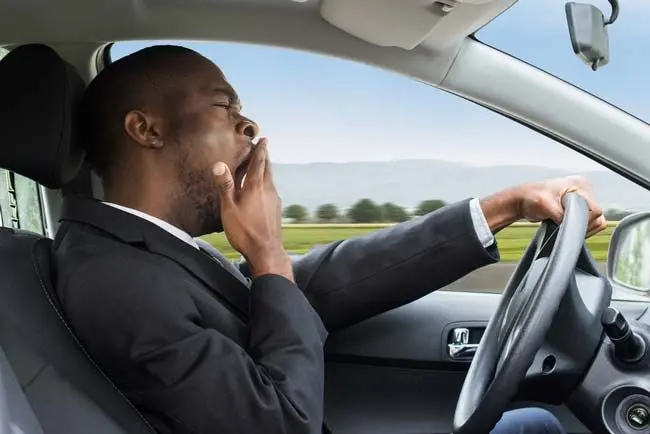
- Frequent yawning
- Tired eyes, droopy eyes, or an increase in blinking
- Hitting “rumble strips” on the road or drifting into other lanes
- Missing a road sign or exit
- Following other cars too closely
- Difficulty maintaining proper speed
Ways to Avoid Drowsy Driving
This is a two-step process, as there are measures you can take before the drive and during the drive itself. The Sleep Foundation has these recommendations for both.
Before Driving:
- Plan ahead to limit total driving hours: Schedule your trip in smaller sections and avoid pushing for extremely long driving days.
- Have a relaxing evening before the trip: RV drivers should plan to complete as much of their packing as possible in the days prior to the day before the trip, leaving the day before for small details and time to get to bed early.
- Schedule breaks: Ensure you include time for several stops along the route to recharge.
- Get a good night’s sleep: Focus on getting plenty of sleep the night before your trip, ideally for multiple nights leading up to driving.
- Avoid alcohol and other sedatives the previous day: These substances can interfere with quality sleep and may leave you drowsy the next day.
- Have a travel companion: Most drowsy driving occurs when people are traveling by themselves. If possible, have someone join you who can share driving duties and help keep you alert.
- Avoid driving during the drowsiest times of day: If you work during the day like most people, your body’s internal clock will usually make you sleepier between midnight and six a.m. Avoiding driving in the mid-afternoon may be challenging, so try to eat a light lunch.
While You’re Driving
- Watch for warning signs: If you feel sleepy or show signs of drowsy driving, find a safe place to stop and rest. Remember that it’s “better safe than sorry,” so don’t try to push through if you’re tired.
- Use caffeine: Caffeine is a stimulant that can increase alertness for a few hours; however, it isn’t a cure-all. When the effects wear off, you’ll likely feel sleepy again, and consuming more caffeine may lead to diminishing returns.
- Avoid relying on “tricks” to stay awake: Opening windows or adjusting the climate or audio systems might have a short-term effect, but if your body wants to sleep, it will eventually overcome these measures. Therefore, they should only be used as temporary solutions to help you reach a safe place to stop and rest.
The Valley RV Supercenter is pleased you read this post and hopes you take its advice to heart. Safety is the primary goal of any RV journey, and drowsy driving can be the most common, stealthy impediment to that aim. So stay alert and stay safe.