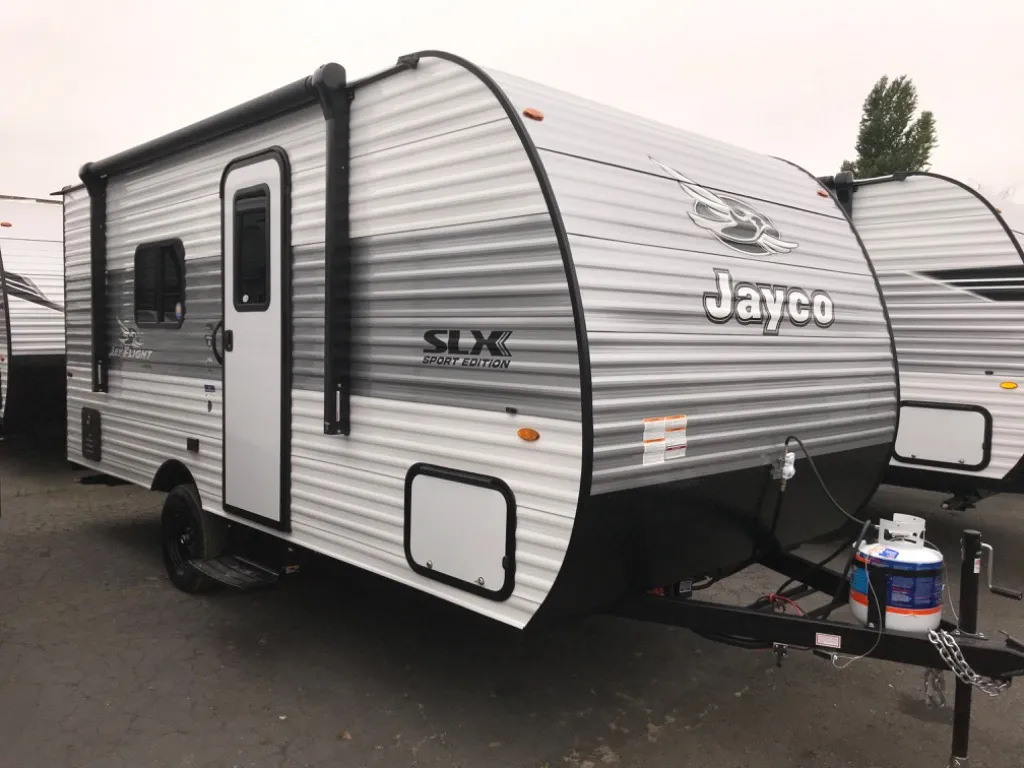

RV Furnace Inspection Checklist Before Cold-Weather Camping
October in the Kent Valley is the exact wrong time to find out your furnace won't light. Nights drop into the low 40s across the Cascade foothills, and if you're towing toward Snoqualmie Pass for a fall trip, your propane heating system needs to be ready before you leave the driveway, not at 11 p.m. at the campsite.
The good news is that most furnace failures come down to a short list of checkable items. A blocked exterior vent, a house battery that dipped too low over the summer, or a propane line that hasn't seen demand in five months, any one of them is findable at home if you run through this checklist first. We run cold-weather customers through this check every fall, and the pattern holds. A rig that got a pre-trip check at home skips the cold-night surprise.
Schedule a furnace check with our service team if you'd rather have a certified tech run the inspection before your trip.
Does Your RV's Heating System Actually Fit This Climate?
Pacific Northwest fall camping puts a specific kind of demand on a propane furnace, with damp air, overnight lows that sit right at the threshold where moisture can freeze in an exterior vent, and a rig that's likely sat idle since late spring, so the system fits this climate fine as long as you've cleared the vents and charged the battery first. The condition/feature fit below maps what you're actually up against to what the furnace system is designed to handle.
| Local condition | The furnace feature that handles it | Why it matters here |
|---|---|---|
| Overnight lows in the 30s-40s at Cascade-area campgrounds | Forced-air propane furnace with dedicated combustion chamber | The sealed combustion design draws outside air and exhausts outside, so interior air quality stays separate from combustion gases |
| Exterior vents exposed to wet PNW weather all summer | Metal slotted intake and exhaust vent covers | Spider webs, mud dauber nests, and leaf debris accumulate in vents during non-use; a blocked exhaust triggers an automatic safety shutoff |
| Heavy condensation and moisture in the Puget Sound region | Blower purge cycle after burner shuts off | The blower runs a brief cool-down cycle after each heat call specifically to clear residual gases and moisture from the combustion chamber |
| Limited shore power at dispersed Cascade-area sites | 12-volt DC blower and controls | The furnace runs on house battery power even without hookups; battery state is the single most overlooked prerequisite |
| Propane sitting unused since spring or summer | Propane lines and regulator that need a fresh-demand test | Regulators and hoses that haven't seen demand can mask minor leaks or pressure drops that only show up when the furnace calls for a sustained draw |
Battery Voltage Is the First Domino
Battery voltage is the first thing to check, before you ever open the propane compartment, because an RV propane furnace runs entirely on 12-volt DC power and a battery that dipped too low over the summer will stop the ignition sequence cold even while the fan still spins. It's an easy step to skip.
According to published furnace diagnostic guidance, when house battery voltage drops to around 10.5 volts, the blower motor may spin (you'll hear the fan) but won't reach the speed threshold required to close the sail switch. The sail switch is the furnace's first safety interlock. It confirms adequate airflow before the control board will open the gas valve and attempt ignition. When the blower spins too slowly to trigger it, you get a fan running and cold air blowing, and it looks like a propane or igniter problem when it's really a power problem.
Check voltage at the house battery directly, not off a dashboard gauge. A full, healthy battery will show above 12.6 volts at rest. Jayco Jay-Flight travel trailers and fifth wheels use the same 12-volt furnace standard as virtually every other propane-heated RV on the road. If you've been on shore power for weeks without running the engine or a converter, your battery can look fine by a charge indicator while sitting at a voltage that'll strand your furnace ignition on the first cold night.
Try a practical test. Turn the furnace thermostat up 5 degrees above current cabin temperature and watch the full cycle. You want to hear the blower come up to speed, then hear a click as the gas valve opens and the igniter sparks. That sequence tells you the battery has the voltage to run the blower fast enough to satisfy the sail switch. If the blower runs and you never hear a click, battery voltage or the sail switch itself is the first place to look.
Propane System: Three Checks That Cover Most Failures
Propane issues account for a big share of ignition problems, and the reassuring part is that most of them are findable before you leave home, whether it's a low tank, a connection that's loosened over the summer, or a cylinder that's aged out of its recertification window. Three quick checks cover the bulk of it.
Verify tank level and valve position. Turn on the stovetop burner to confirm you've got working pressure before you rely on the furnace. A tank that reads a quarter-full on the gauge may not have enough head pressure in cold temperatures to sustain the furnace's demand overnight. Plan to start any cold-weather trip with tanks at least two-thirds full.
Inspect hoses and connections. Look along accessible propane lines for cracking, abrasion, or any section that's rubbed against a frame rail. For a simple leak test, mix dish soap and water and brush it onto exposed fittings. Bubbles mean shut everything down and call a technician. No shortcuts here.
Check the propane cylinder recertification date. Per federal DOT regulations, portable propane cylinders must be recertified every 12 years from the manufacture date stamped on the collar, with an interim visual inspection required at the 5-year mark in some conditions. If your cylinder is out of date, a propane fill station may refuse to fill it. Find the stamped date on the collar now, well ahead of the gas stop on SR-167.
Jayco Eagle fifth wheels and other rigs with dual propane tanks should have both tanks valved open and balanced. A furnace drawing from a nearly empty primary tank in the middle of the night won't automatically switch to the secondary unless you've got an automatic changeover regulator, and not every setup does.
Clear the Exterior Vents. This One Takes Two Minutes
Clearing the exterior vents is a two-minute job that heads off a surprising number of no-heat calls, because the furnace draws combustion air and pushes exhaust through metal slotted covers that collect debris all summer, and a blocked opening will shut the system down or stop ignition outright. Give it a quick look before you load up.
Walk around the outside of your rig and find the furnace vent cover. The cover is a metal panel with slotted openings, usually mid-coach on the roadside or curbside. Mud dauber wasps love these slots through the summer months. A blocked exhaust vent makes the furnace overheat and shut down on its safety limit switch, and a fully blocked intake can prevent ignition altogether by starving the combustion chamber of outside air.
Clear any debris, nests, or leaf buildup from both the intake and exhaust openings, then run the furnace and walk back outside to confirm you can feel warm exhaust coming from the outlet. That 30-second walk-around is an easy one to skip.
Jayco Jay-Feather and other lightweight travel trailers often have the furnace compartment close to the rear corner, where debris tends to collect. Check it twice a year, once before cold season and once in spring before the summer sit.
Safety Detectors: Don't Skip This Section
Carbon monoxide and propane leak detectors are tied directly to furnace use, so they earn their place in cold weather when the furnace runs more, and they're worth testing now even though a passing button test alone doesn't prove the sensor inside is still alive. Test both by pressing the test button, and a loud alarm confirms the unit is firing. Replace batteries annually. And check the expiration label. Most RV carbon monoxide detectors have a service life of five to seven years measured from the manufacture date rather than the day they were installed. An expired detector that passes a button test isn't a functioning safety device. Replace it.
One more note. If the furnace throws a musty or dusty smell on first startup after a long summer off, that's normal, and it clears within a few minutes as the heat exchanger burns off accumulated dust. A smell of propane or rotten eggs is a different matter. Shut the propane off at the tank, ventilate the rig, and have the system inspected before using it.