
How RV Age, Floorplan, Maintenance, and Condition Affect Trade-In Value
By the Valley RV Supercenter Team | August 2026
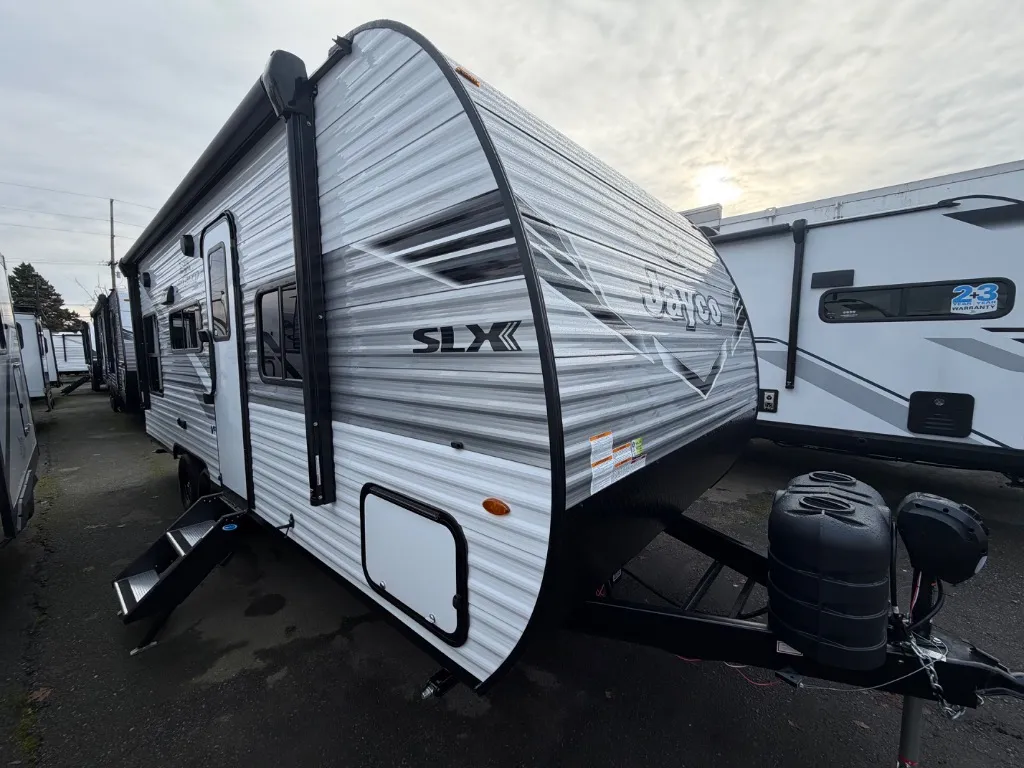
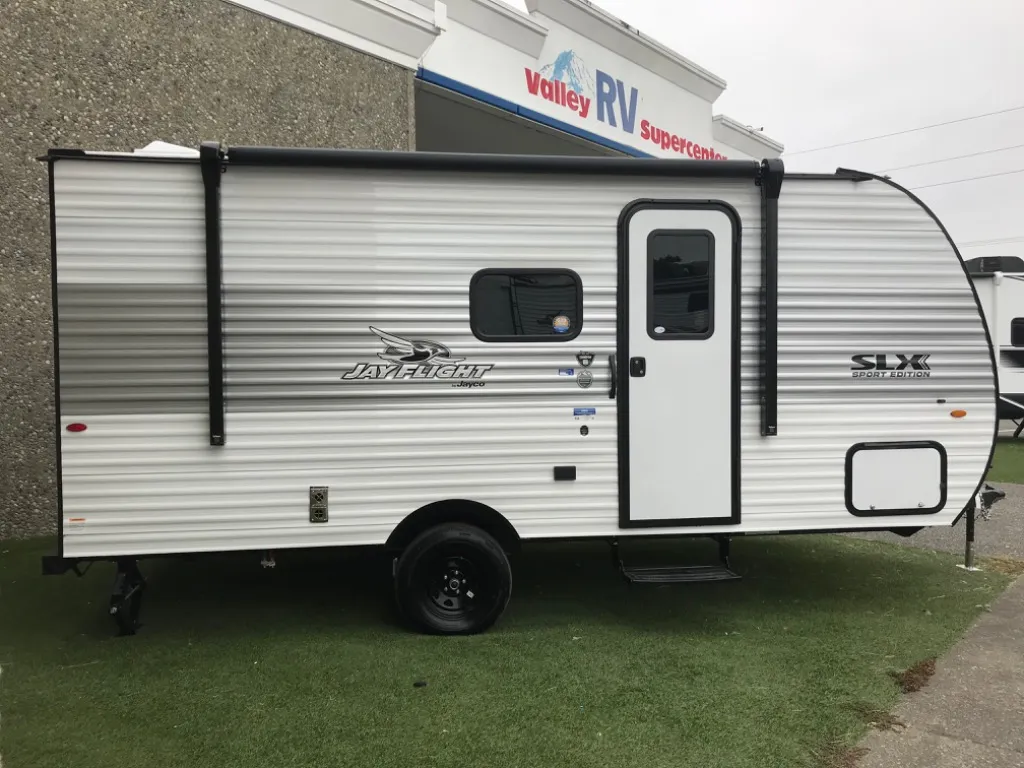
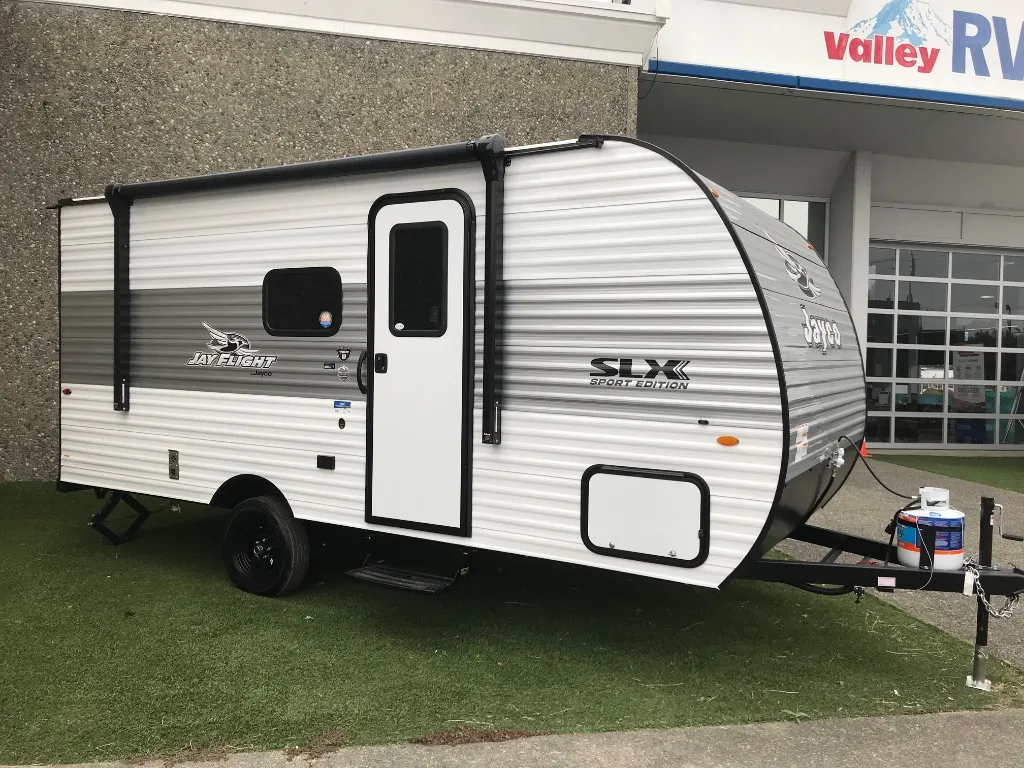
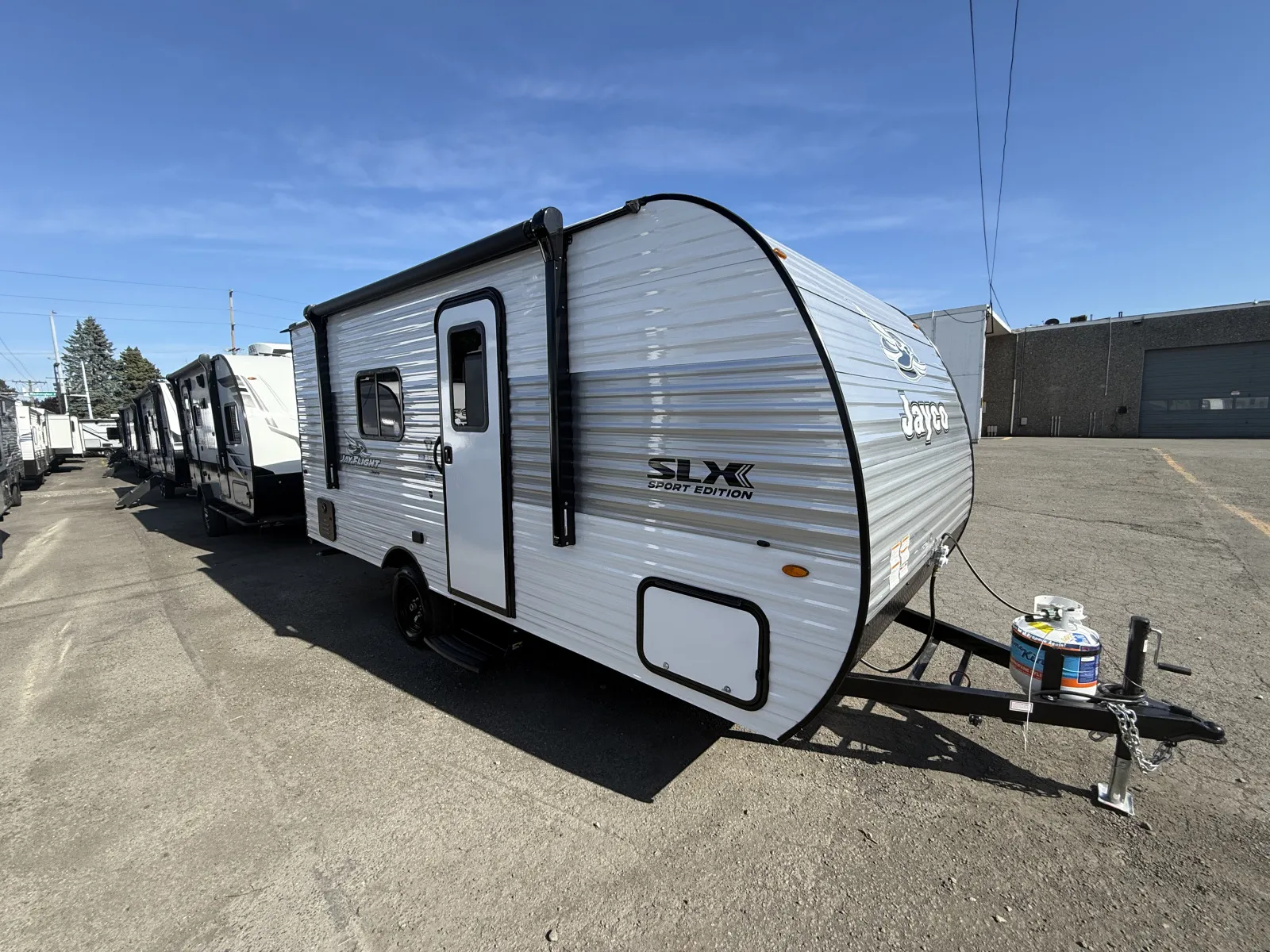
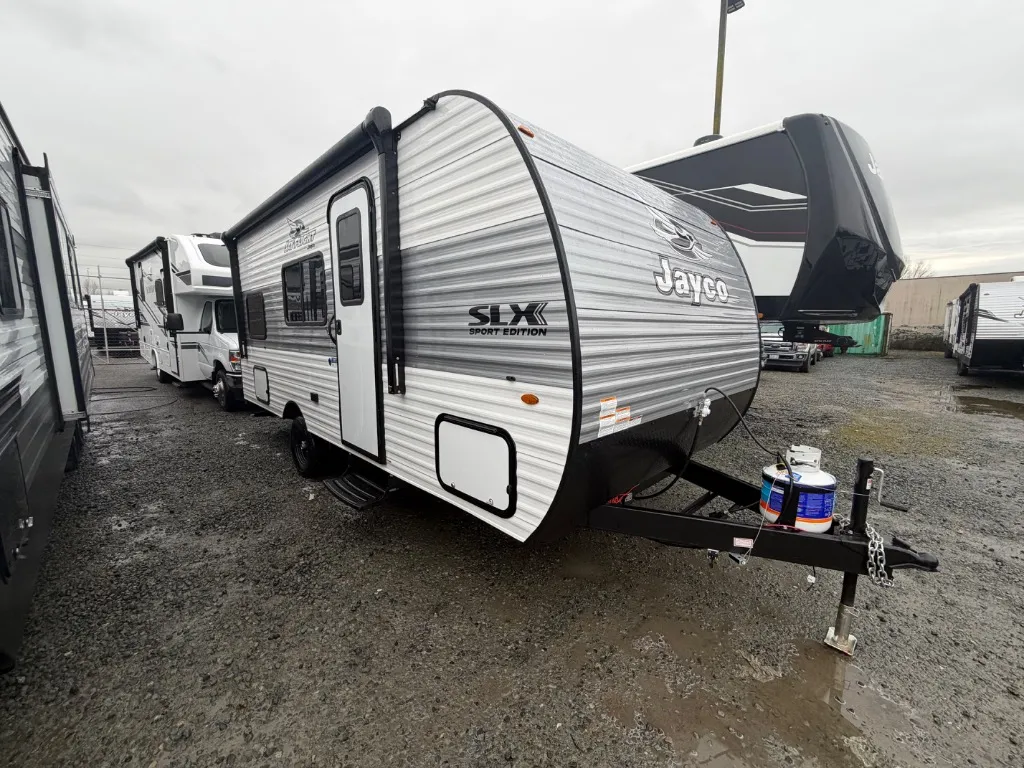
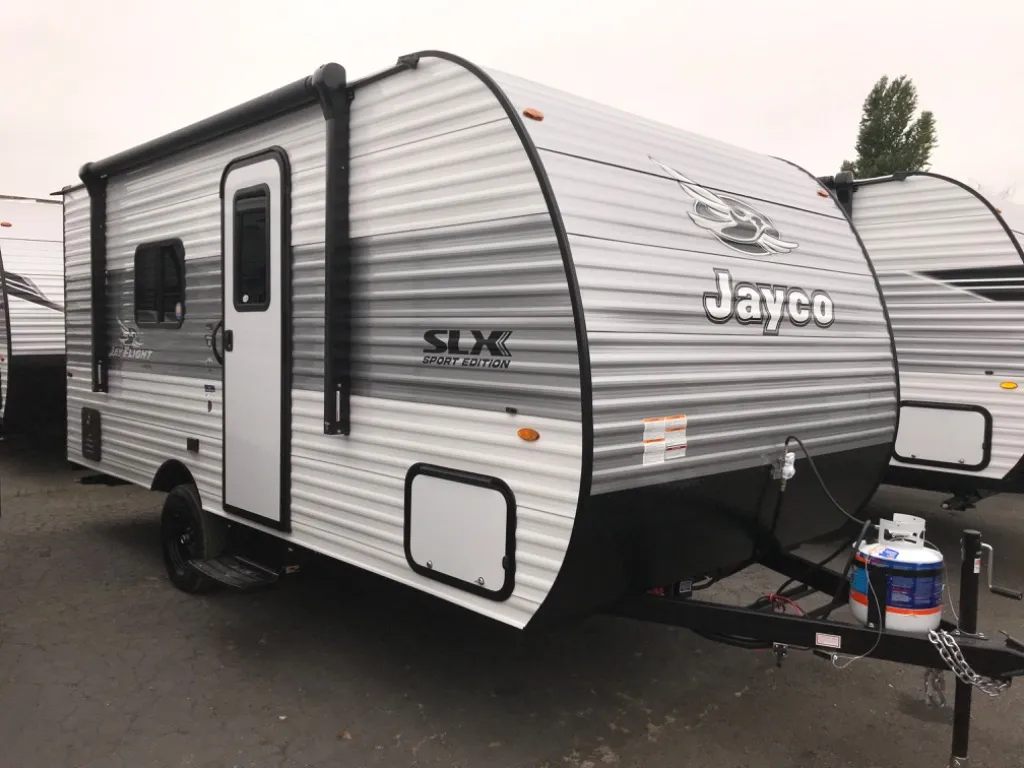
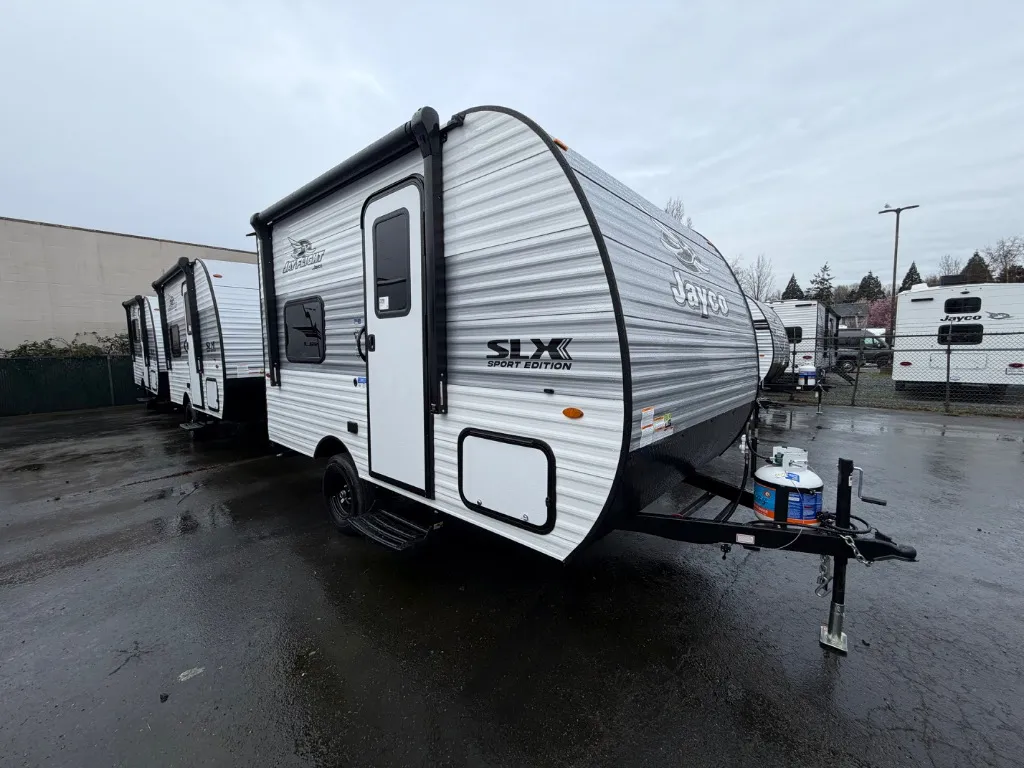
Trade-in value isn't one number waiting to be discovered. It's the sum of four factors that move independently, and only two of them are still in your control by the time you're standing at the appraisal desk. Bottom line: age and floorplan are fixed the day you buy, but condition and documentation stay in your hands, and they're the levers an appraisal actually rewards. Understanding how each factor works, and which ones you can still influence, is the difference between accepting a number and negotiating one. If you're weighing an upgrade to something like a Jay Flight with more room for the family, knowing your current rig's story is where the math starts.
What Do Appraisers Actually Weigh?
An appraisal is a structured look at resale risk: how quickly the unit will sell again, and what could surface after it does. Every line on the sheet traces back to one of four factors, and each one answers a different question about the rig's next owner.
| Factor | What the appraisal looks at | What you can still do |
|---|---|---|
| Age | Model year, systems generation, tire and appliance dates | Nothing about the year; plenty about what age has touched |
| Floorplan | Regional demand for the layout, sleeping capacity, slide count | Time the trade to when your layout is in demand |
| Maintenance | Records for roof sealant, bearings, brakes, appliances | Bring every receipt; gaps read as risk |
| Condition | Water history, seals, floor integrity, upholstery, odors | Fix small issues before the walkaround, not after |
The table's honest message is that half the sheet was decided years ago. The other half gets decided in the weeks before you bring the rig in. Preparation moves offers more than negotiation does.
Age Sets the Baseline, Condition Moves the Needle
Depreciation on an RV is steepest in its first few seasons and flattens as the unit matures, so two rigs of the same age often start from a similar baseline number. What separates them at the desk is everything age has been allowed to touch. Trailer tires age out before they wear out, and NHTSA's tire safety guidance treats age itself as a replacement factor, with many manufacturers advising replacement at around six years. An appraiser reads the DOT date codes the same way you should when buying: old tires mean an immediate reconditioning cost, and that cost comes out of the offer. Every time.
The same logic runs through the roof. In the Kent Valley's long wet season, a rig stored uncovered without regular sealant care tells on itself, and water staining is the single fastest way an otherwise clean unit loses appraisal ground. A dry, sound ceiling doesn't add value so much as it protects the value that's already there. That protection is cheap. Losing it isn't.
Floorplan Demand Is Regional, and It Works in Your Favor Here
Layouts with clear family logic hold their appeal in the resale market. Bunkhouse trailers, rear-kitchen designs, and open living-area fifth wheels like the North Point tend to find their next owner faster than unusual configurations do. Around Puget Sound, where summer campground trips and seasonal sites drive so much RV use, family-sleeping layouts and residential fifth wheels both have steady local audiences. A layout that sleeps a crew is easier for a dealer to resell in this market, and easier to resell translates directly into a stronger number for you.
You can't change your floorplan, but you can time it. A family trailer appraises into a warmer market in spring and summer, when the next buyer is already shopping, than it does in the off-season. Timing is free leverage.
The Prep That Pays Before You Ask for a Number
Preparation is a short list, and none of it requires a shop. Give the rig a genuine deep clean inside and out, because a detailed unit reads as a maintained unit. Air the interior for a day so closed-compartment smells don't greet the walkaround. Gather the title, registration, loan payoff information if you're still financing, and every service record you have. Then fix the small stuff: a torn shade, a sticky latch, a burned-out fixture. Small unfixed items suggest larger deferred ones, and appraisals price that suggestion in. Fix the cheap things first.
If you want a sense of how your rig compares, walk the pre-owned units on our lot and look at what well-kept examples of your layout present like. The gap between your rig and those is the gap the offer will reflect.
Used-RV Trade-In Questions Worth Asking
Do maintenance records really change a trade-in offer?
Yes, because records convert unknowns into knowns. An appraisal prices risk, and a rig with documented roof care, bearing service, and appliance work carries less of it. The same unit with no paperwork gets appraised defensively, since the dealer has to assume the maintenance didn't happen.
Does the season affect what an RV is worth at trade-in?
It does. Appraisals reflect what the unit will resell for soon, so a family trailer or camp-ready rig is worth more walking in during spring and summer, when buyers are active, than in the quiet months. If you're not in a hurry, timing the trade to your layout's season is free money left on the table otherwise. When you're ready, bring the rig and the binder, and we'll put a real number on both.