
Tips for Grilling in Cold Weather - Tips and Tricks for Campers
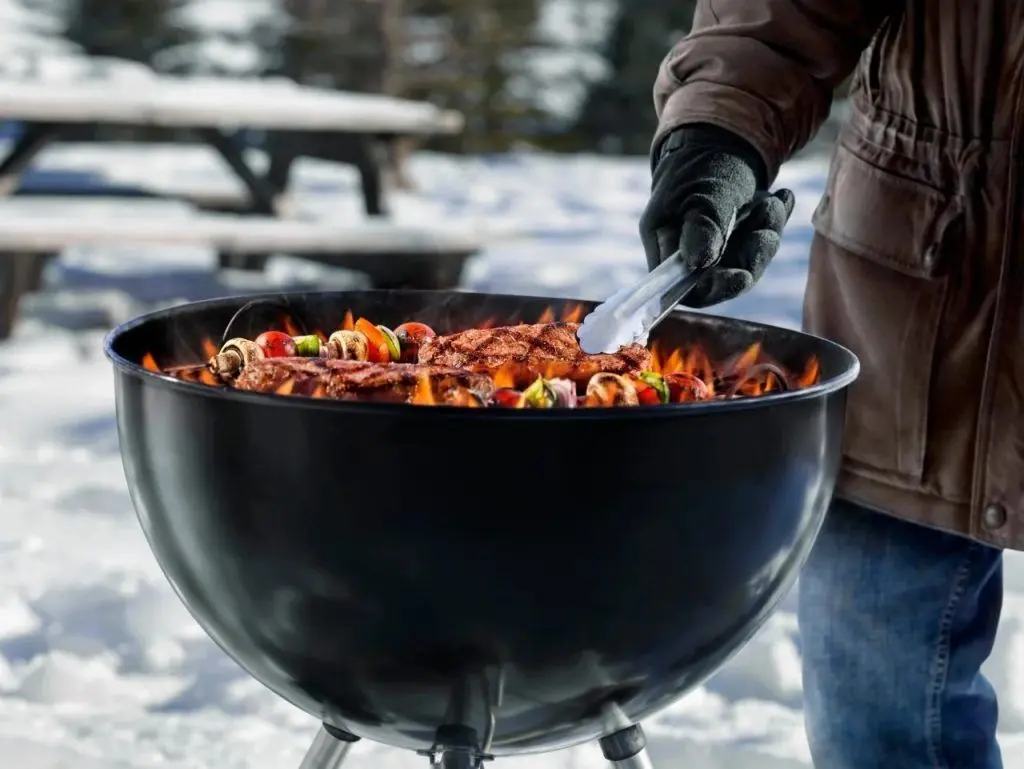
Like RV use in general, outdoor grilling is often seen as a summer or warm-weather activity, but it doesn’t have to be. Your craving for grilled meats and vegetables doesn’t need to hibernate during winter, but there are a few guidelines to keep in mind. The Valley RV Supercenter has gathered some of the main tips for you.
Snow in the Auburn, WA area is infrequent and rarely accumulates for long, but temperatures in the thirties are common enough, so you will want to winterize your grill. There is nothing exotic in this process. It primarily involves using vegetable oil to lubricate the grates, inspecting the hoses for cracks, and checking for blockages in the burners, jets, or other components of the gas flow. Yellow flames indicate clogged burners that need cleaning or adjustment.

First, if the grill is in a place where snow might accumulate, move or cover the grille, as melting snow can cause rust. The drier the interior of the grille, the better it is for reaching and maintaining the desired temperatures.
If you’ve experienced freezing weather, check that the lid, knobs, and any other moving parts are not frozen in place. If they are, treat them like frozen meat and defrost them before use. Forcing movement can damage the parts, so if you have time, move the grill into a garage or other warm place to thaw. A quicker solution is to use a hair dryer on the frozen parts until they are unfrozen.
Year-round, the grille should be about 10 feet away from your home or RV. This remains true in winter, even if you’re tempted to move the grille to a less exposed area while using it.

If your grille uses propane, don’t worry about the gas freezing. That would require a temperature of -44°F, which is almost unheard of anywhere in the Continental United States. And if it does happen, you’re unlikely to be thinking about outdoor grilling. However, be sure to budget extra time for preheating and cooking. The additional time required depends on the shape, size, and construction of your grille. Thinner walls will mean longer preheat and cook times due to outside temperatures. Cast-iron grates are best suited for winter cooking because they heat up quickly and retain heat longer than steel or aluminum grates.
When cooking, accept that cook times will be longer and will use more fuel in colder weather, whether that fuel is propane, charcoal, or wood. Therefore, if you plan to grill in the winter, it’s wise to stock up on your grilling fuel beforehand, as stores are less likely to have it available during that season.
Every time you open the lid, cold air enters to counter the heat, so if you want to cook the food evenly while grilling, consider adjusting your style. Also, consider cooking items that require less frequent turning. Foil packs with meat and vegetable combinations don’t need any turning at all. Low-maintenance meats include spare or baby back ribs, pork tenderloin, tri-tip, or chicken legs. For any type of meat, check the internal temperature to ensure it is thoroughly cooked. For seafood, try salmon or shrimp skewers. Grilled mushrooms also require no turning.

Whatever you’re cooking, keep foil nearby to cover the food and keep it warm during transport to the dinner table, whether indoors or outdoors. If you need to make multiple trips, ask someone to help by bringing out the food while you tend the grill. In fact, if you’re feeding a group, invite them to join you so everyone can gather around the warm grill, lend a hand, and turn it into a fun occasion.
Take these precautions, and grilled food in the winter can be an unexpected and very satisfying treat. RVing in the winter can be the same, especially if you like to avoid crowds and enjoy winter landscapes. For tips on using your RV in the winter, talk to any of the sales professionals at the Valley RV Supercenter, and maybe you will be able to enjoy your RV all year round.