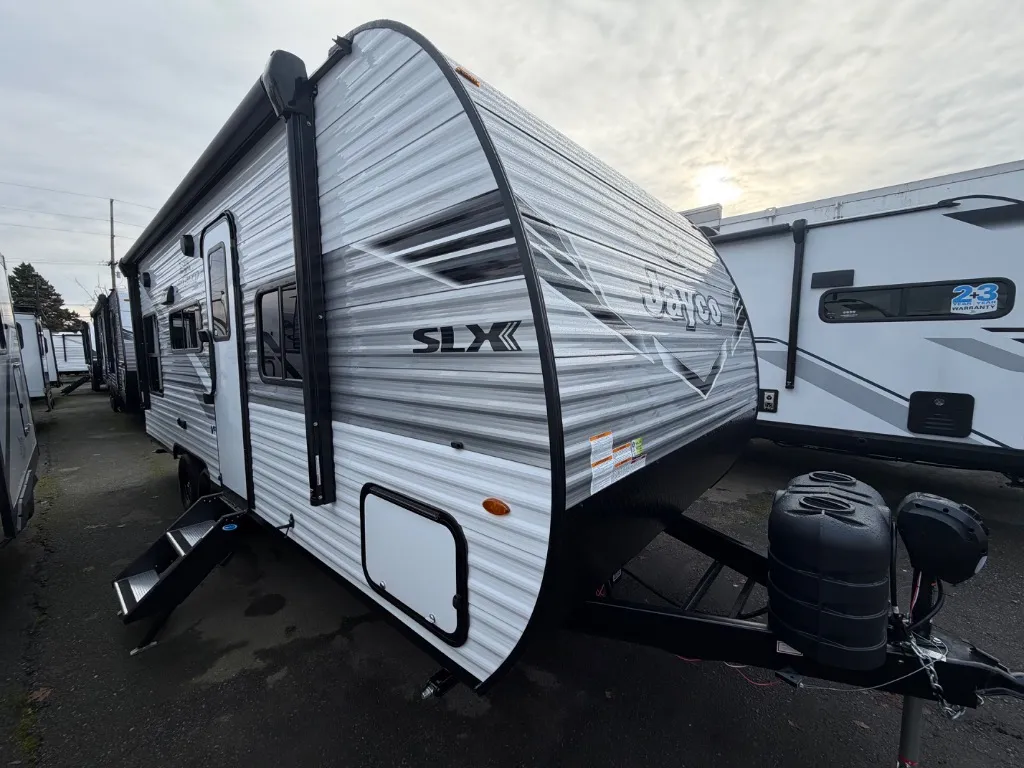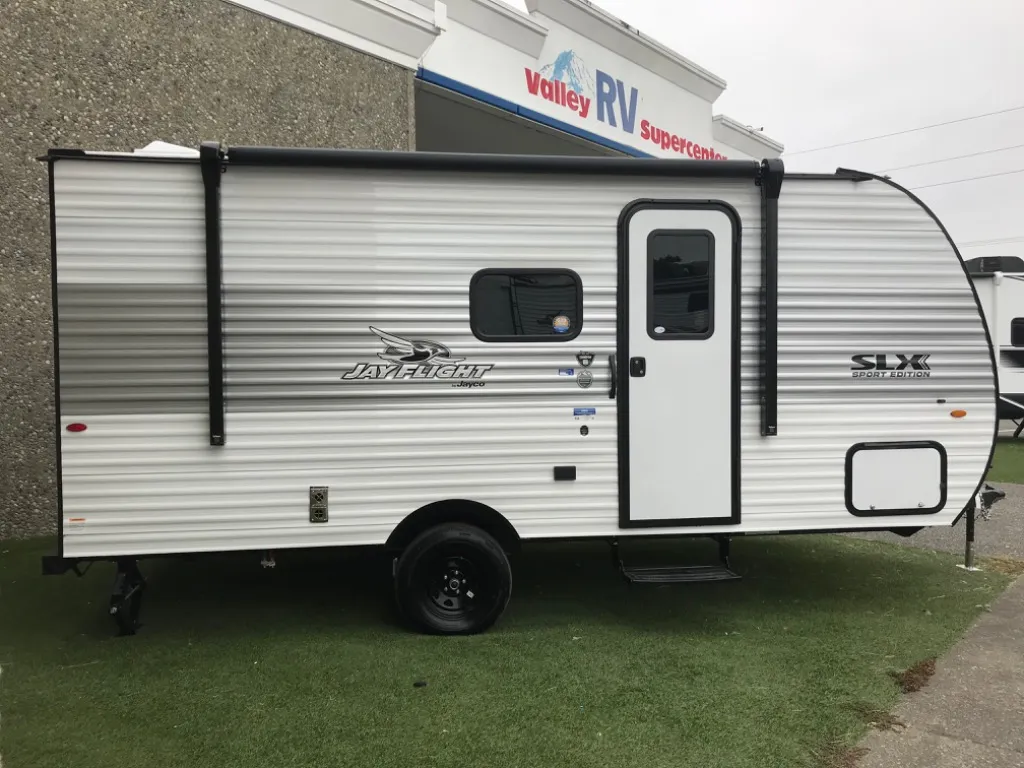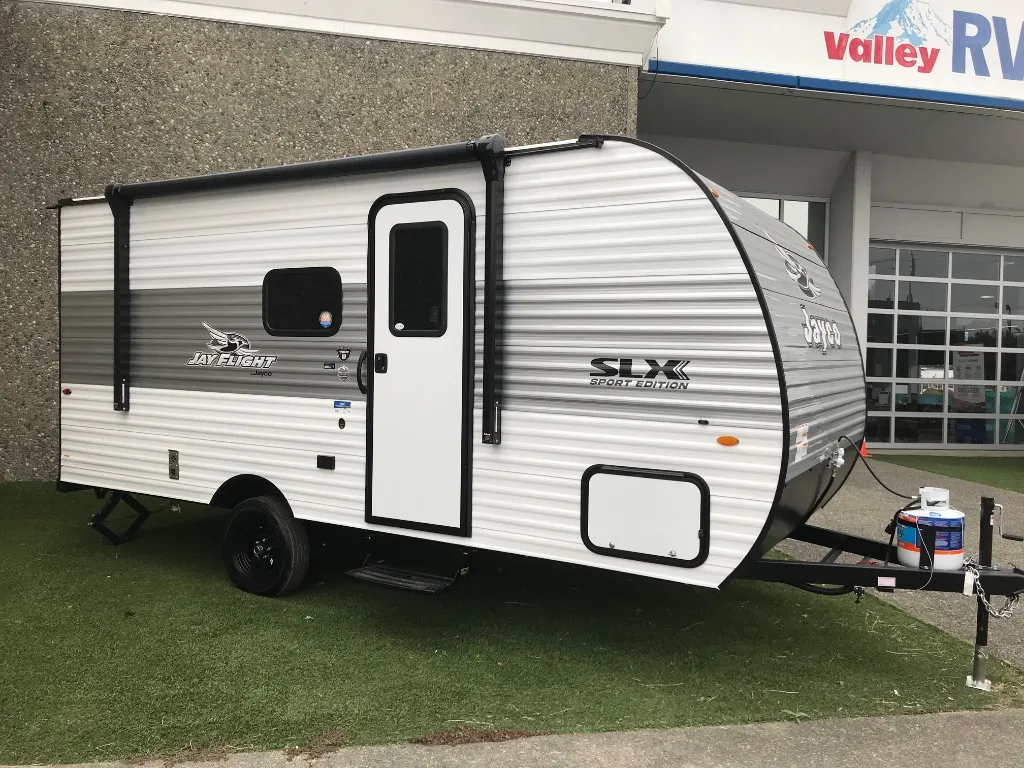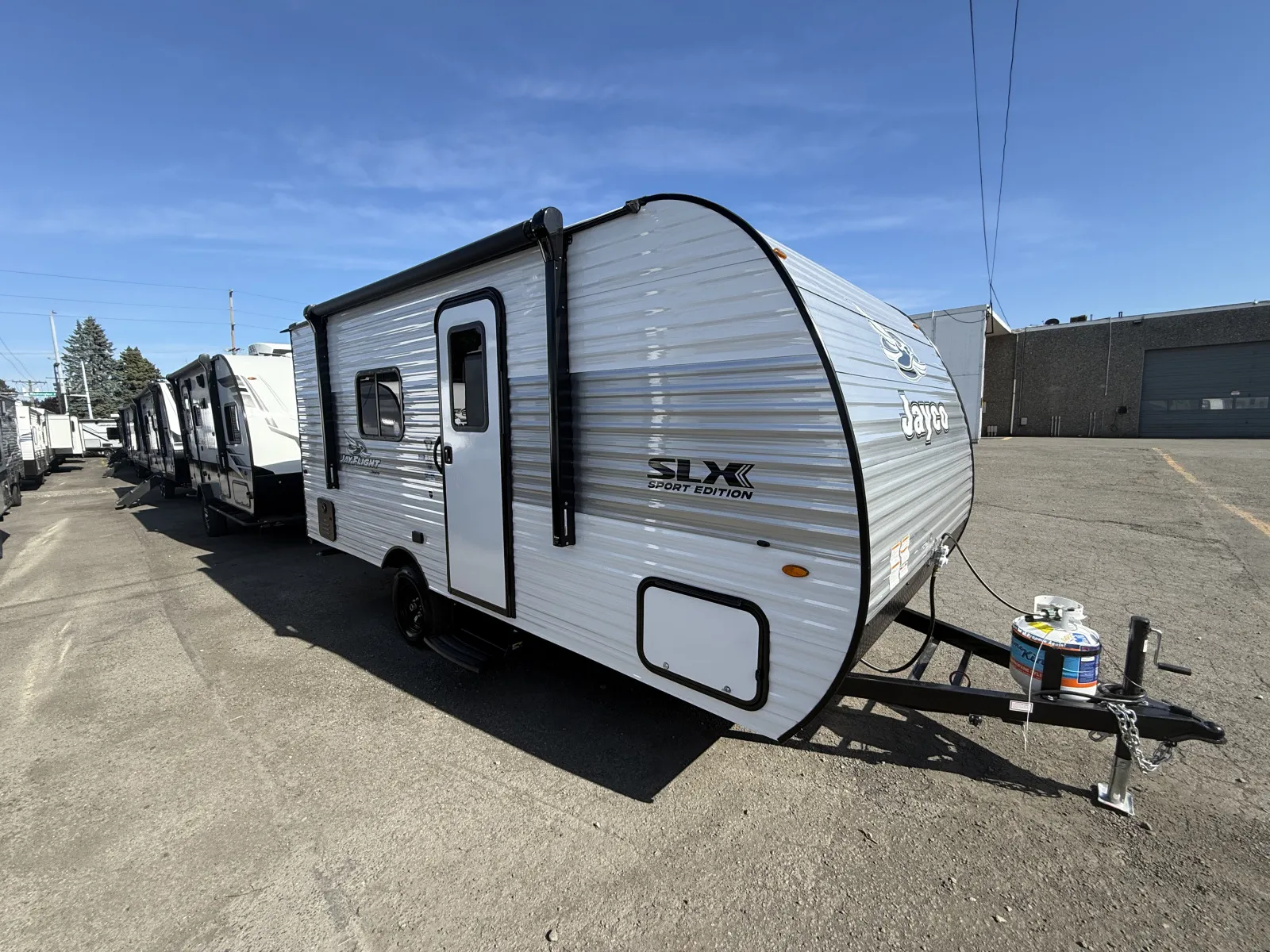

Tips to Improve RV Efficiency
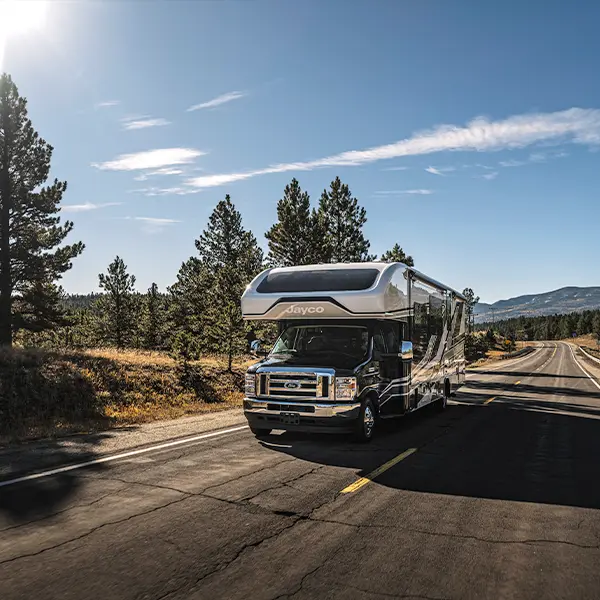
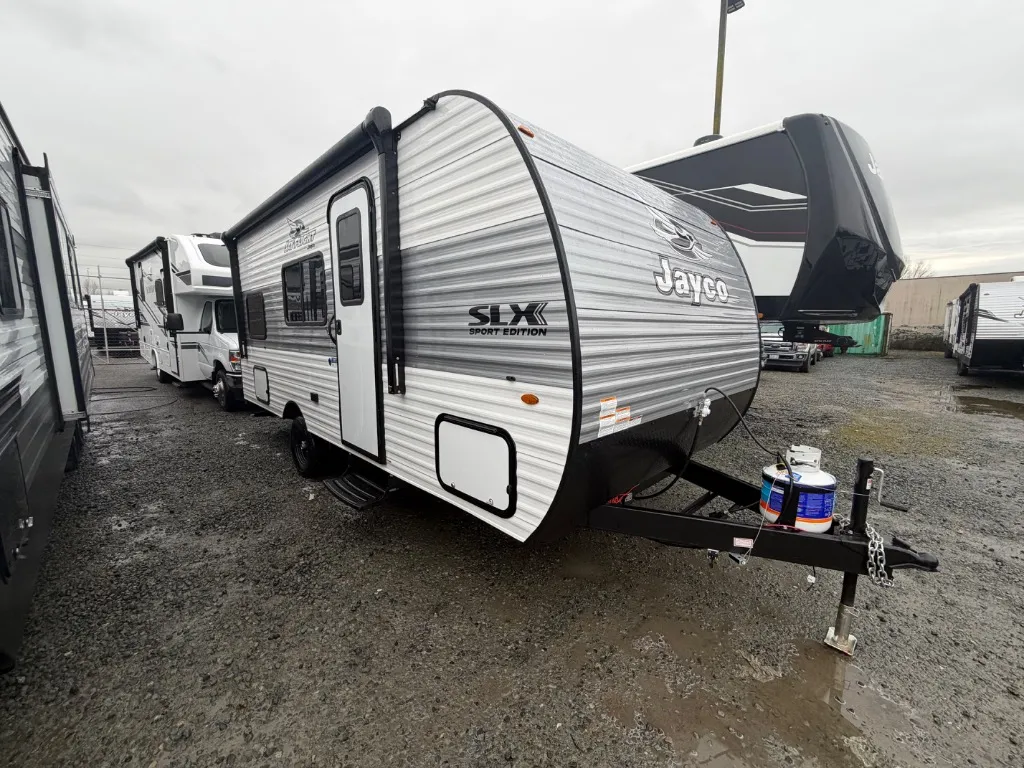
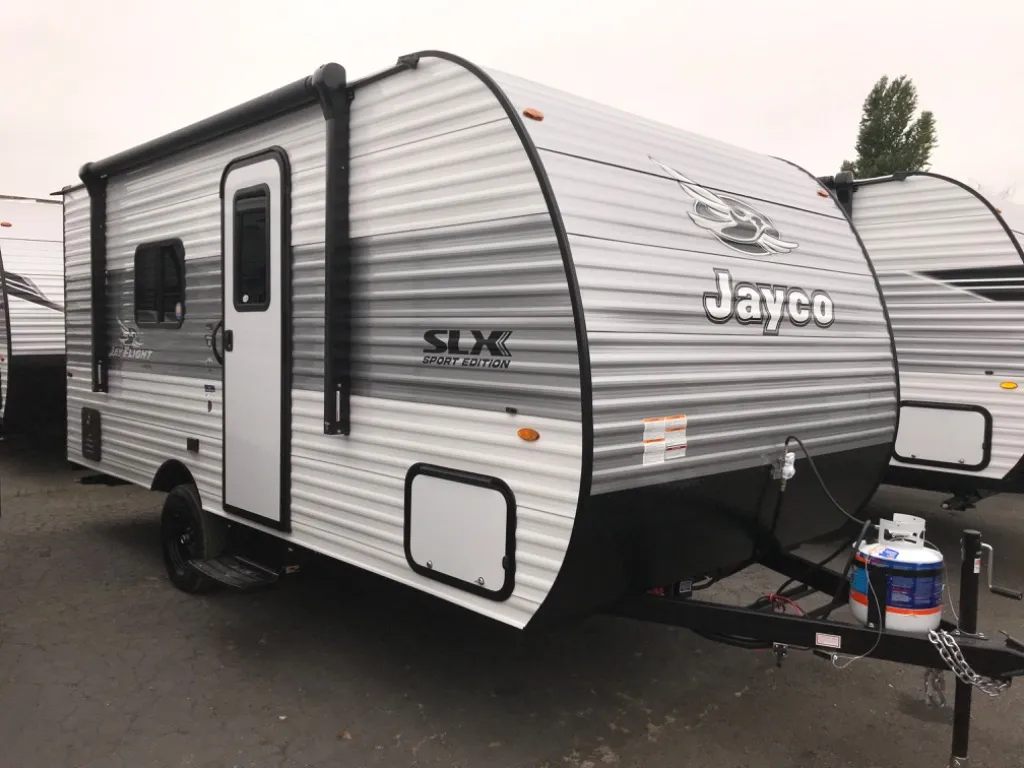
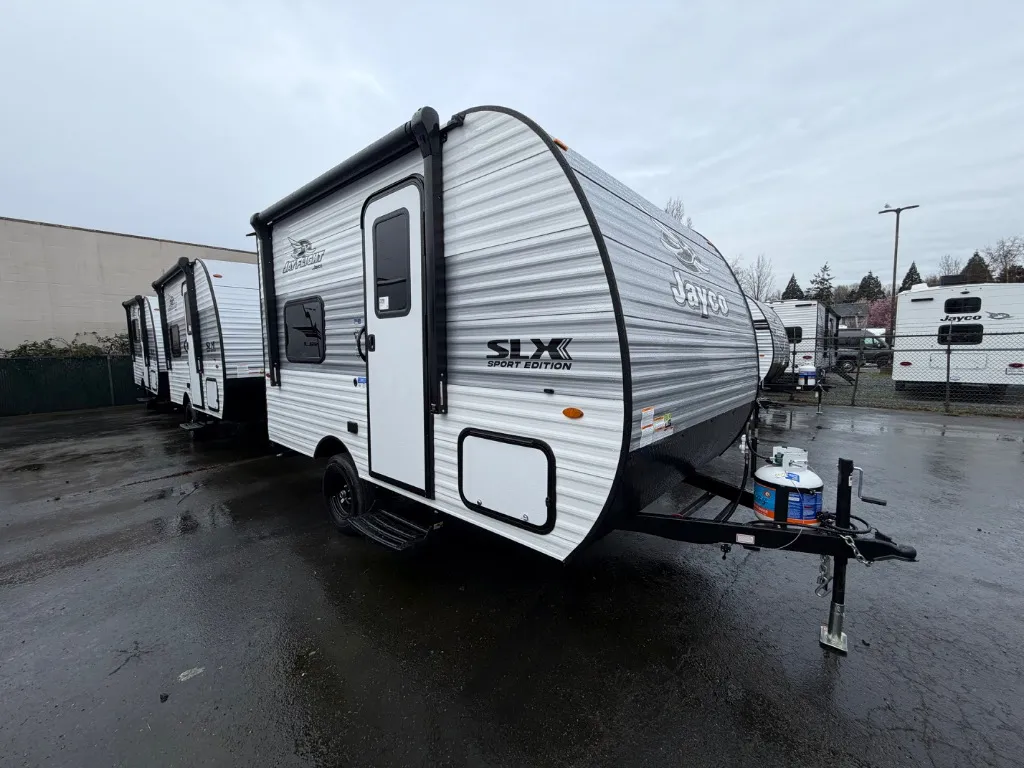
It is the main drawback of nearly every argument for traveling by RV, whether it's a motorcoach, travel trailer, or fifth wheel. We are talking about fuel economy. It's basically impossible to bring an RV home with you without experiencing low fuel economy. However, Valley RV Supercenter offers tips to help you improve this. You might never reach Prius-like efficiency, but you can get a little more mileage per gallon, and on long trips, every bit of additional mileage is appreciated.
Monitor Tire Pressure
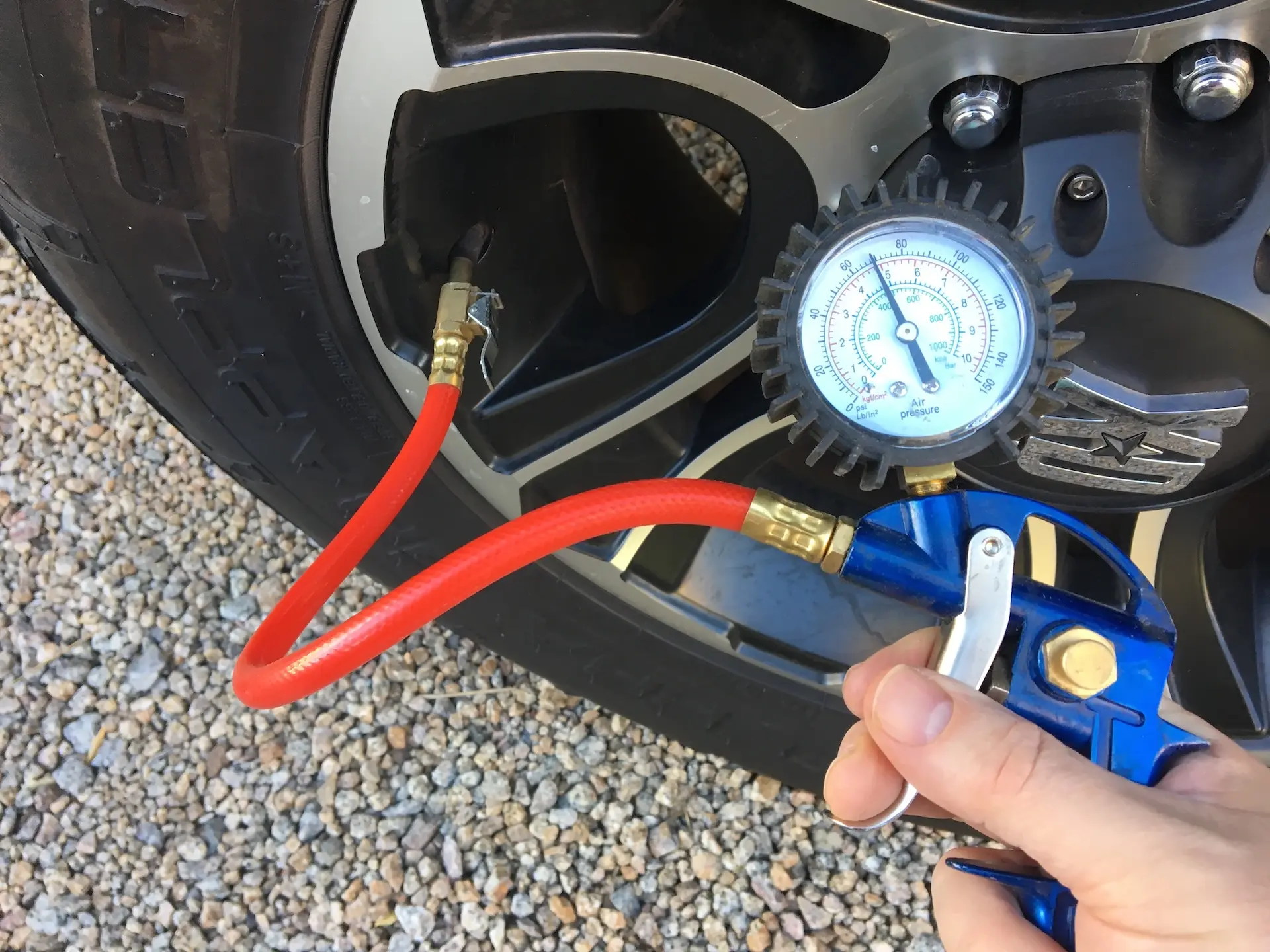
“Where the rubber meets the road” is a term about what matters for a reason. As any bicyclist knows personally, underinflated tires will definitely increase drag, not to mention accelerate tire wear. Most RVing involves more than four tires, so make sure you keep all of them maintained. Modern vehicles are mostly equipped with tire pressure monitoring systems (TPMS), and you can also find systems for towed trailers. These are handy, but you will still want to manually check tire pressures. Some tire systems compare the rotation of one tire to others and only alert you when one is out of synch with the others. This is useful for identifying one tire with incorrect pressure, but temperature and barometric pressure issues can affect all tires equally. Thus, all the tires may have lost pressure by a similar amount, and the TPMS may not notice. Be sure to manually check tire pressure before your trip and regularly afterward.
Drivetrain Maintenance
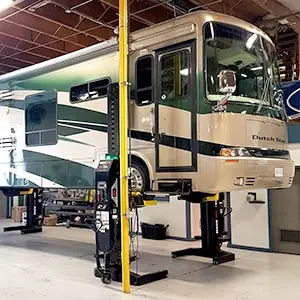
Whether it's on your motorhome or your tow vehicle, maintaining the drivetrain can not only extend its lifespan and help avoid costly repairs but also boost efficiency. Old, partially clogged air, oil, or fuel filters hinder flow and reduce performance. The same goes for old oil, so stay on top of all oil changes, filter replacements, fluid top-offs, and tire rotations. If the next service is due within the mileage of your upcoming trip, go ahead and handle it before you hit the road.
Keeping your rig clean also helps. Dirt increases drag on all surfaces, but the large surface areas of motor homes, fifth wheels, or travel trailers make the problem worse.

Reducing Weight
Part of the fun of having an RV is bringing along many things for the trip, and it is a natural human tendency to pack based on available space rather than weight. However, weight always works against efficiency, so take some time when packing to consider if you'll actually use everything you plan to bring. This is especially important for heavy items like e-bikes or power stations. Bring only what you need, and think carefully before packing items that are nice to have.
Consider Route Efficiency
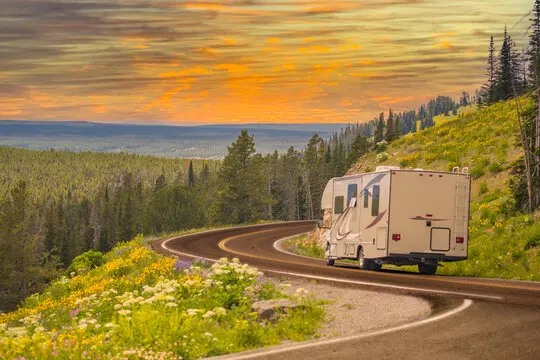
Most GPS navigation systems set their routes to the shortest distance or to avoid traffic. However, they might not be the most efficient. The shortest route could involve more hilly roads. It may seem like hills will give you downhill stretches to make up for what you lost going uphill, but every time you brake downhill, you are negating that advantage. We don’t suggest you brake less downhill, but consider avoiding hills when you can.
Drive Efficiently
We all want to make good time, but besides the weight and the powerful engines needed to handle it, most RVs have a large frontal surface area, which can increase drag exponentially with speed. Try to avoid passing vehicles whenever possible, especially on two-lane roads where quick passes are required. And if you have it, use adaptive cruise control to help you maintain a steady speed and avoid overtaking vehicles unless it’s absolutely necessary.
High fuel costs may be the enemy of RVing, but at least they enable all these small measures to travel more efficiently and more cost-effectively. If you have questions about how to make your rig more efficient, ask the experts at the Valley RV Supercenter for assistance and suggestions.