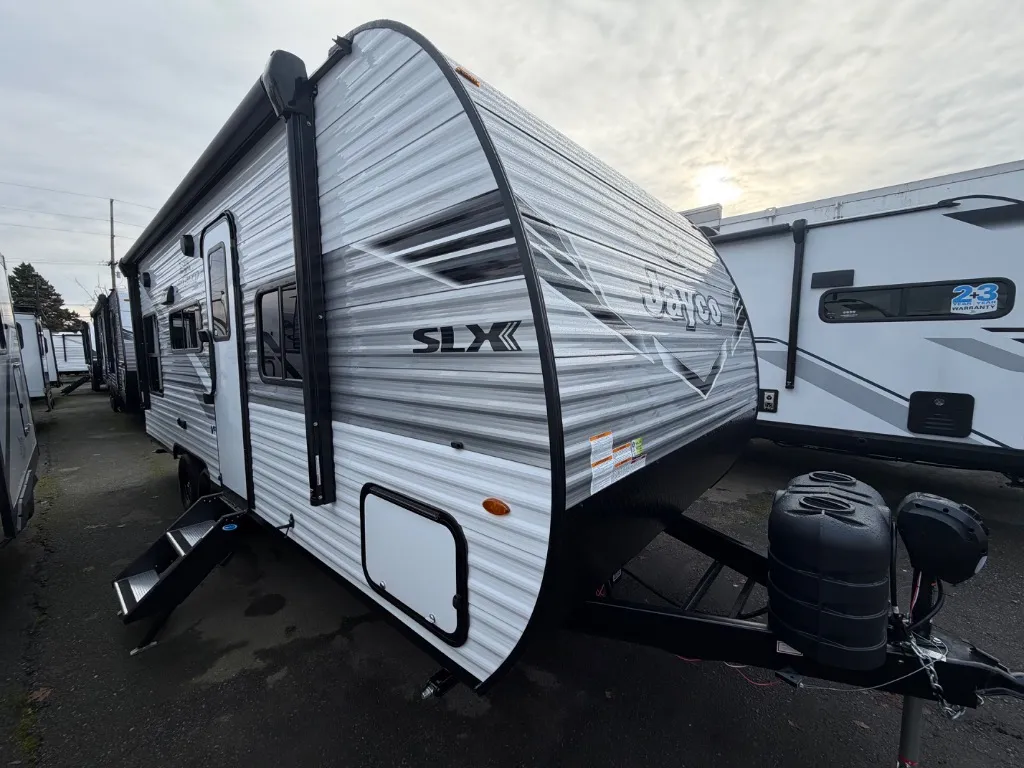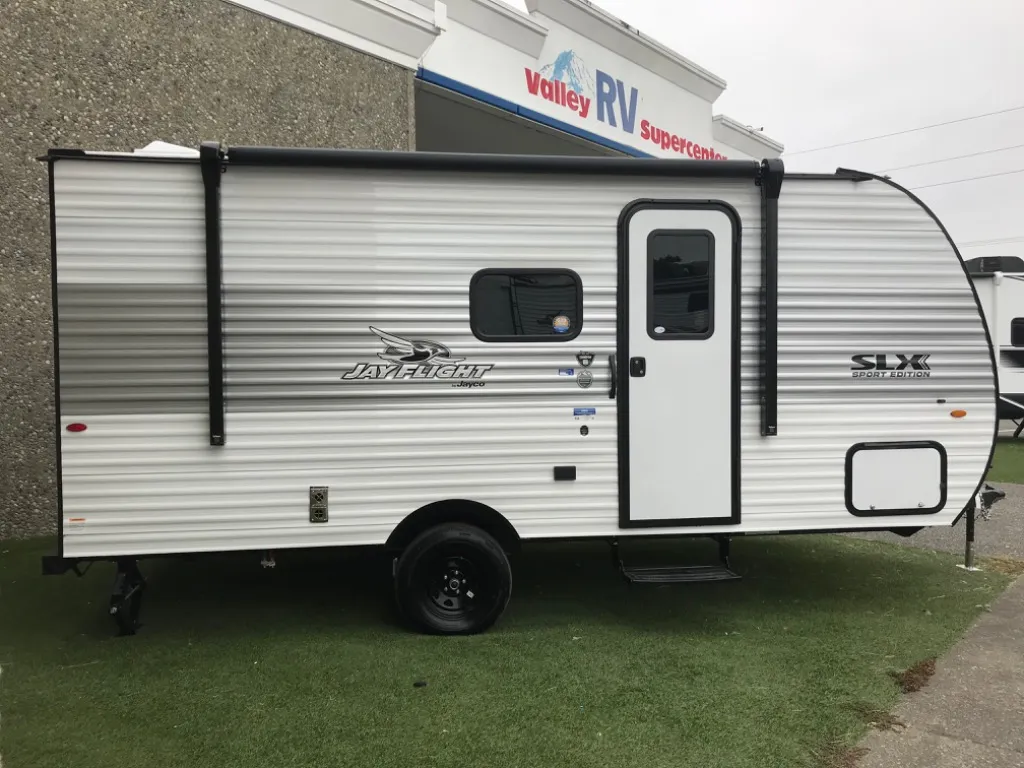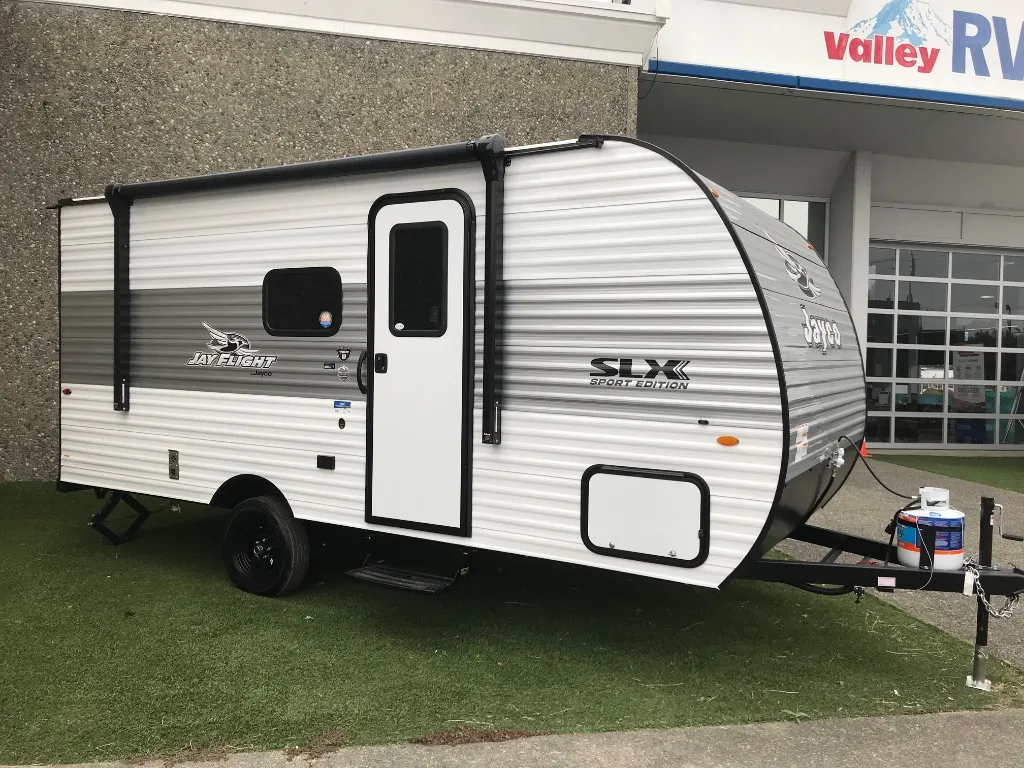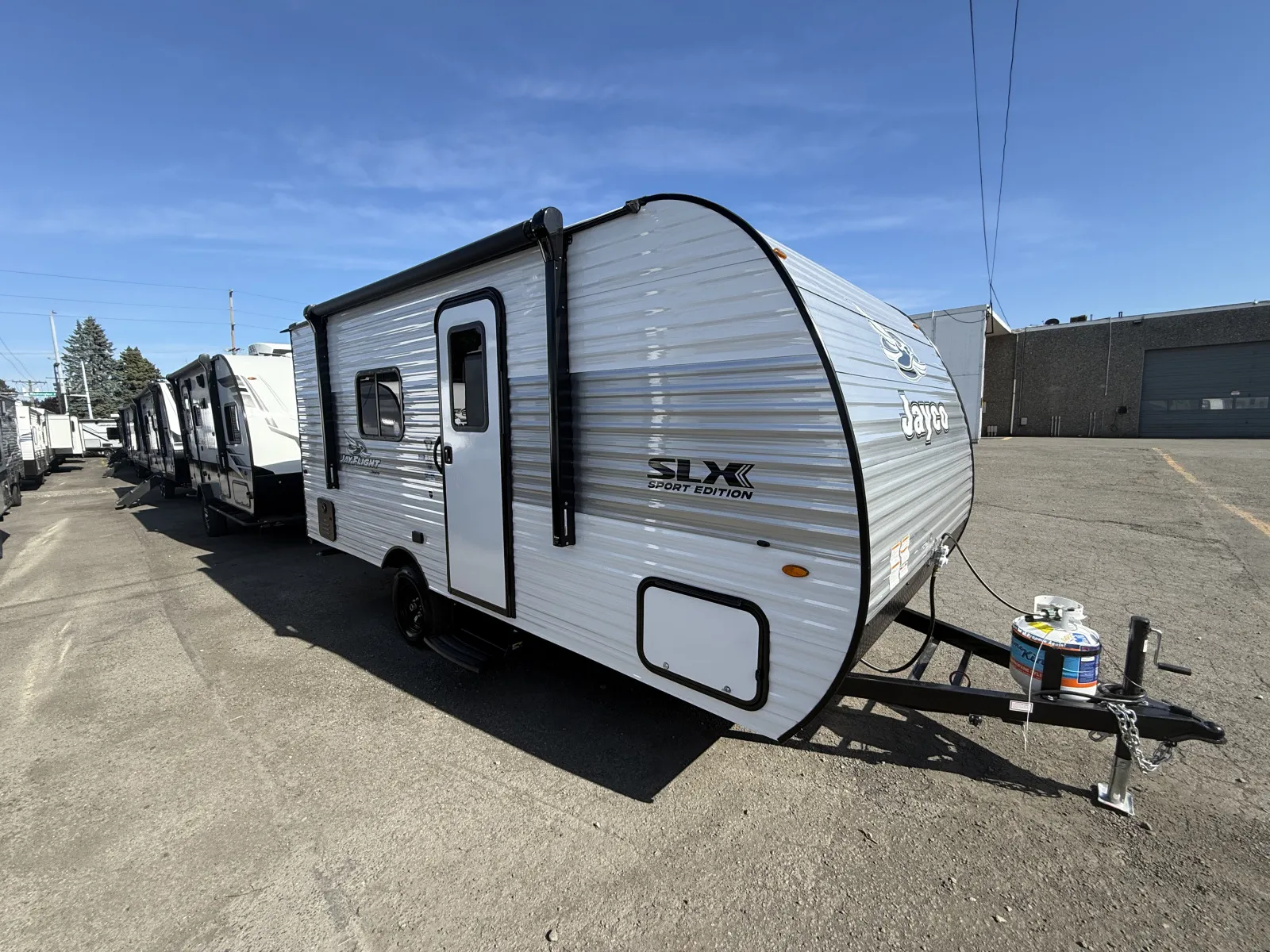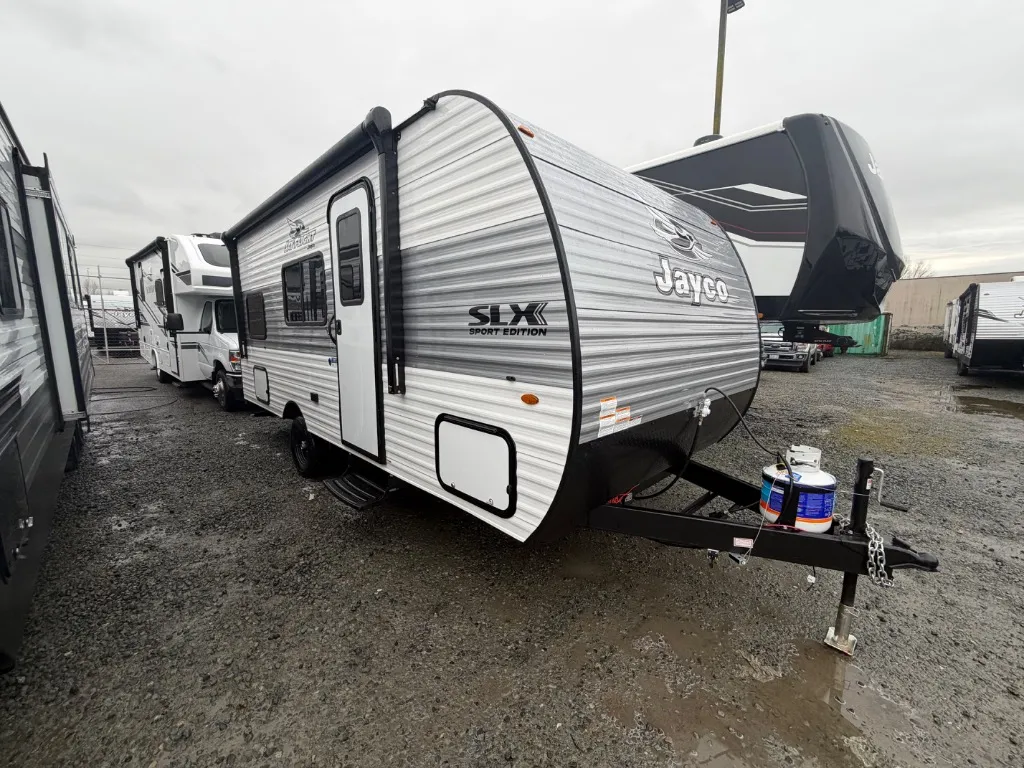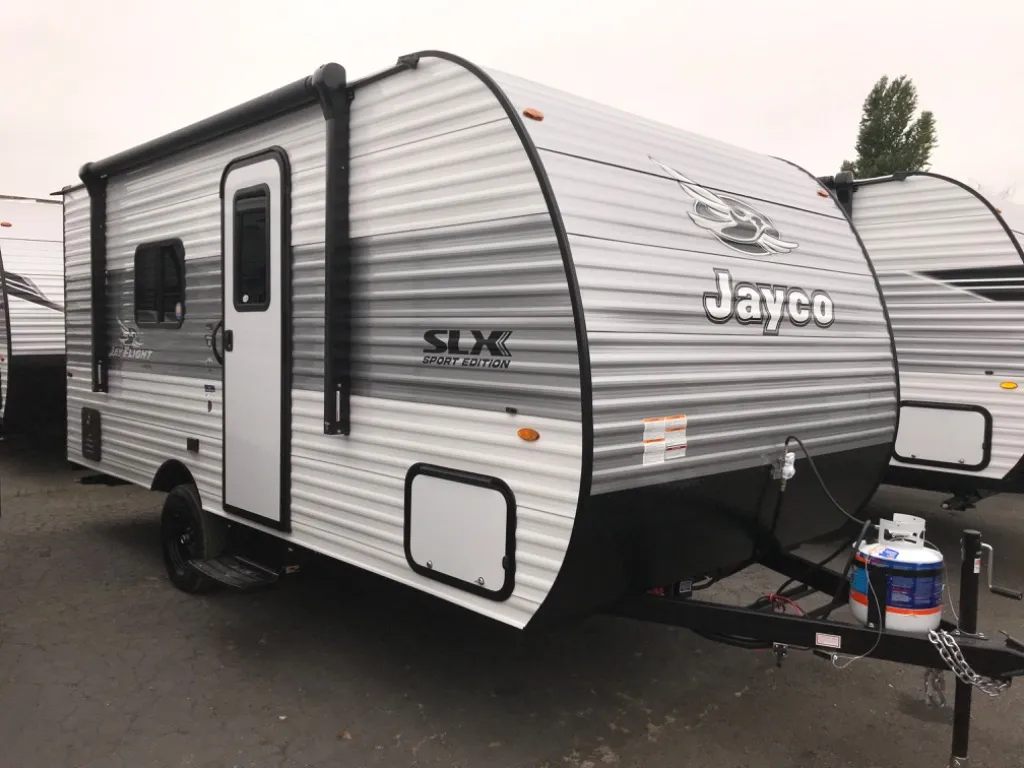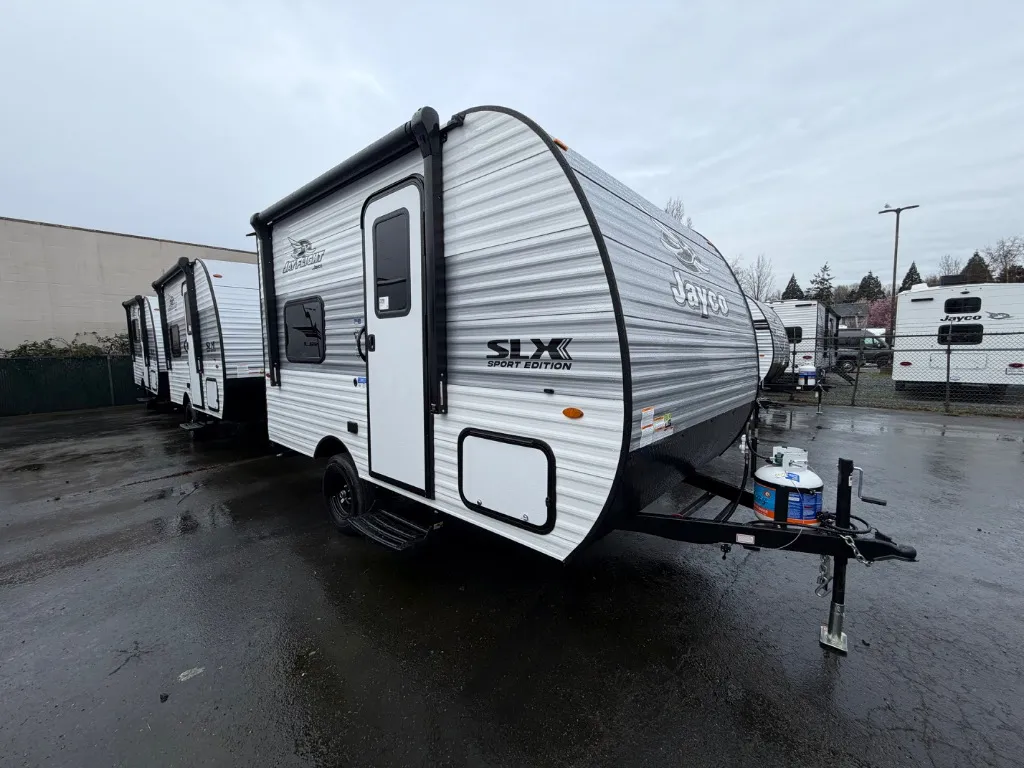

Towing a Trailer in Extreme Heat
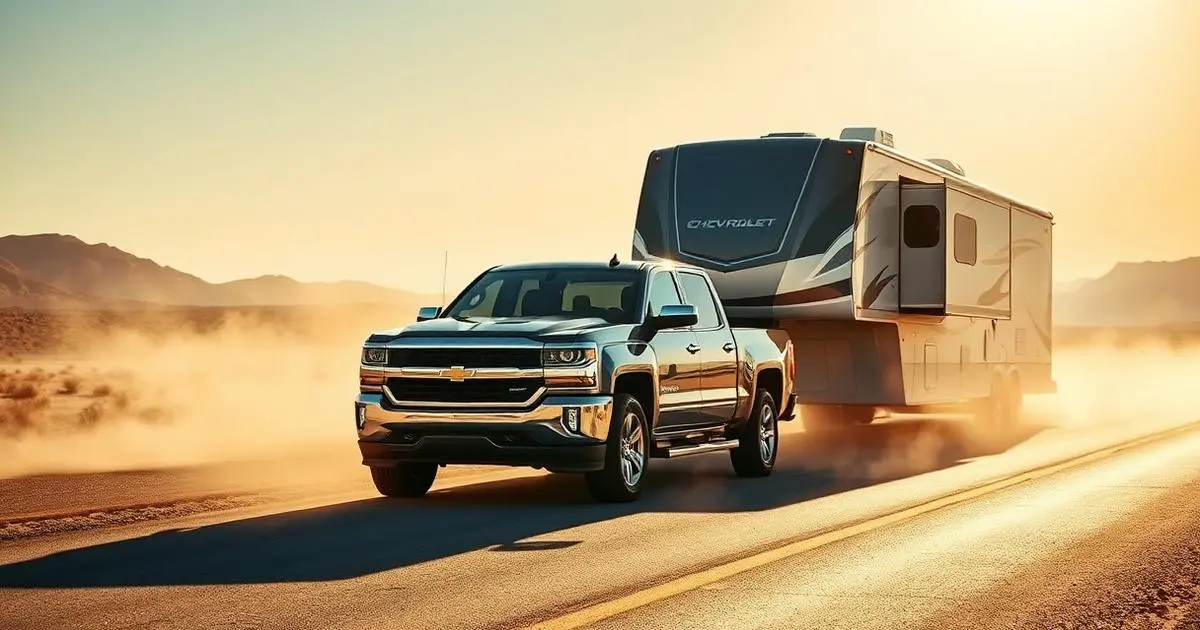
Warm summer weather may give you the itch to hop in your RV and explore this country from coast to coast, but beware: those elevated temperatures can also prove challenging to RVs or vehicles towing travel trailers. Valley RV Supercenter offers this post because understanding how extreme heat impacts your tow vehicle and rig helps maintain performance and ensures a smooth trip from start to finish.
Extreme heat can occur at any place in the U.S. at almost any time during the summer, so it can be difficult to avoid – yes, even in northern states in the “snow belt.” It is best to ready your RV or travel rig for warmer weather before your next trip, and to do so, it’s important to understand how heat can affect key components or systems in your RV. Here are a few of the bigger examples:
Tires
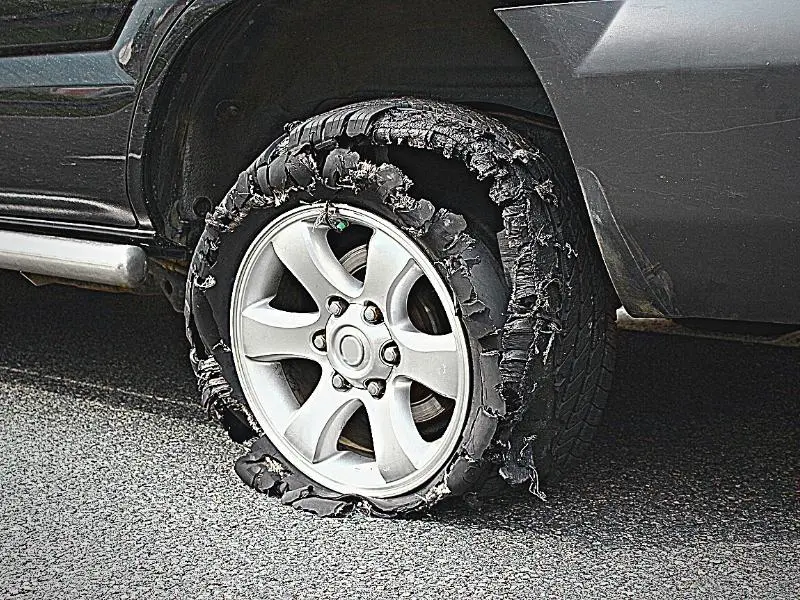
Tires are stressed in every way imaginable in warm weather. During normal operation, even in cold temperatures, tires heat up with use, subsequently increasing their internal air pressure. Fortunately, they are built for this, but proper, safe operation also assumes they are properly inflated and in good condition. Underinflation causes excessive tire flex, and the resulting movement increases the tire surface temperature. Be sure they are not too old, as the compounds begin to weaken over the years – date codes molded into the tire sidewalls are an important clue as to whether or not you’ll need to visit a tire shop sooner or later. Before towing of any kind, check that tire pressures on both the tow vehicle and trailer align with the manufacturer’s recommended levels, and check them more often during high temperatures.
Wheel Bearings
Another high temperature focal point, wheel bearings are another component that already heats up during motion, and high temperature combined with a heavy load can possibly send them over their operating limit. Bearings that aren’t properly lubricated or are starting to fail can be subject to additional friction, subsequently spiking their temperature and passing heat into the wheel and tire itself, posing additional hazards. Before towing, when high heat is anticipated during the trip, have your trailer bearings inspected and apply a fresh coat of high-quality grease to ensure smooth rotation and better heat management.
Ball and Hitch
Every little bump in the road causes metal-on-metal friction on the trailer ball, along with minor of the hitch coupler, and this is even more noticible in hot conditions. Prior to inspecting the ball and coupler, check for any dents or spurs that can become friction focal points, and when attaching, make sure all backup chains are properly crossed and attached.
Driver Fatigue
Okay, so it’s not mechanical, but the driver remains a critical component in safely operating an RV in hot weather. Heat can affect drivers as well, and even a well-air-conditioned cabin may struggle to combat the blistering sun coming through the windshield into your chest or lap. Your body will work to counteract the warming, which can create fatigue. Be sure to stay hydrated, take frequent breaks, which also benefit all the components mentioned above, and possibly schedule your lunch break during the hottest part of the day.
Prepare for the Heat
No one wants their summer vacation marred by a breakdown or inadvertent repairs
Before your big summer trip, take steps to protect your trailer, tow vehicle, yourself, and your vacation. Have all of the tow vehicle components listed above inspected by you if you feel qualified, by your mechanic for your vehicle, and by the Valley RV Supercenter Service Department for your trailer. Plan to drive a bit slower and take more breaks on your travel days. Happy Trailering!