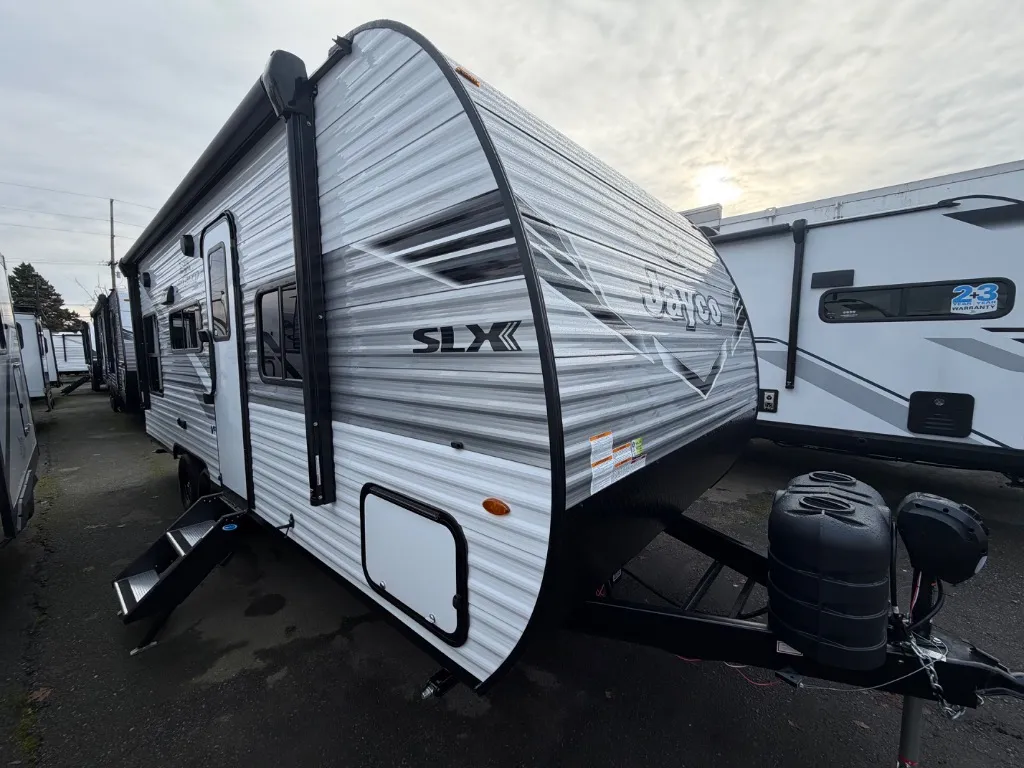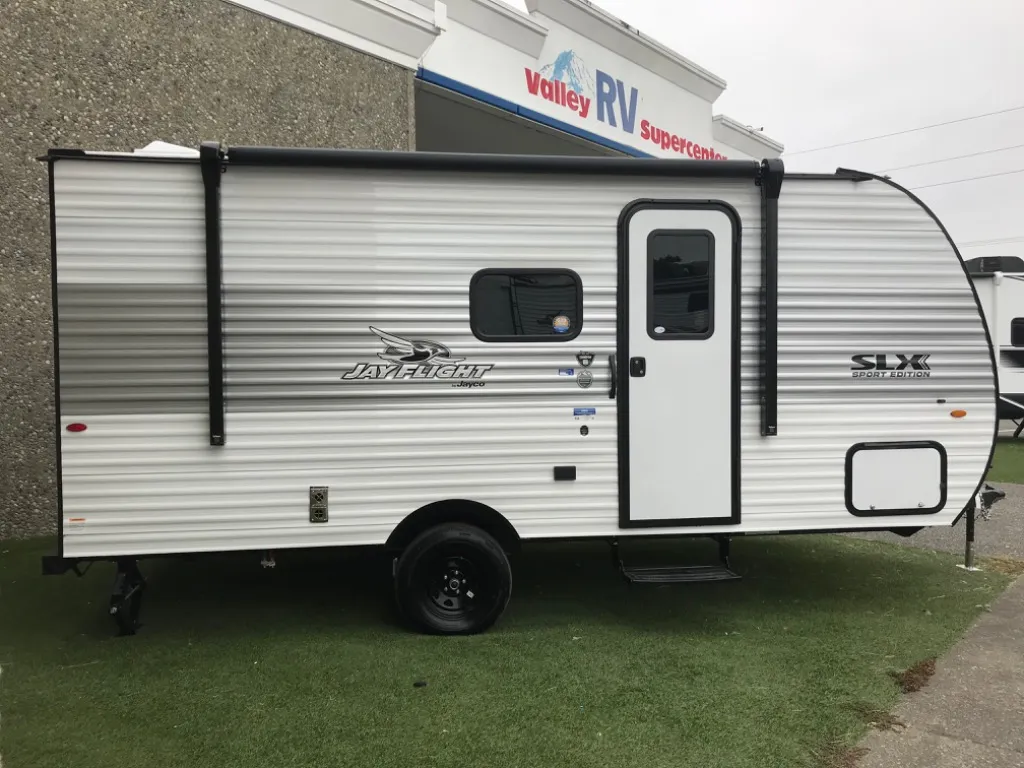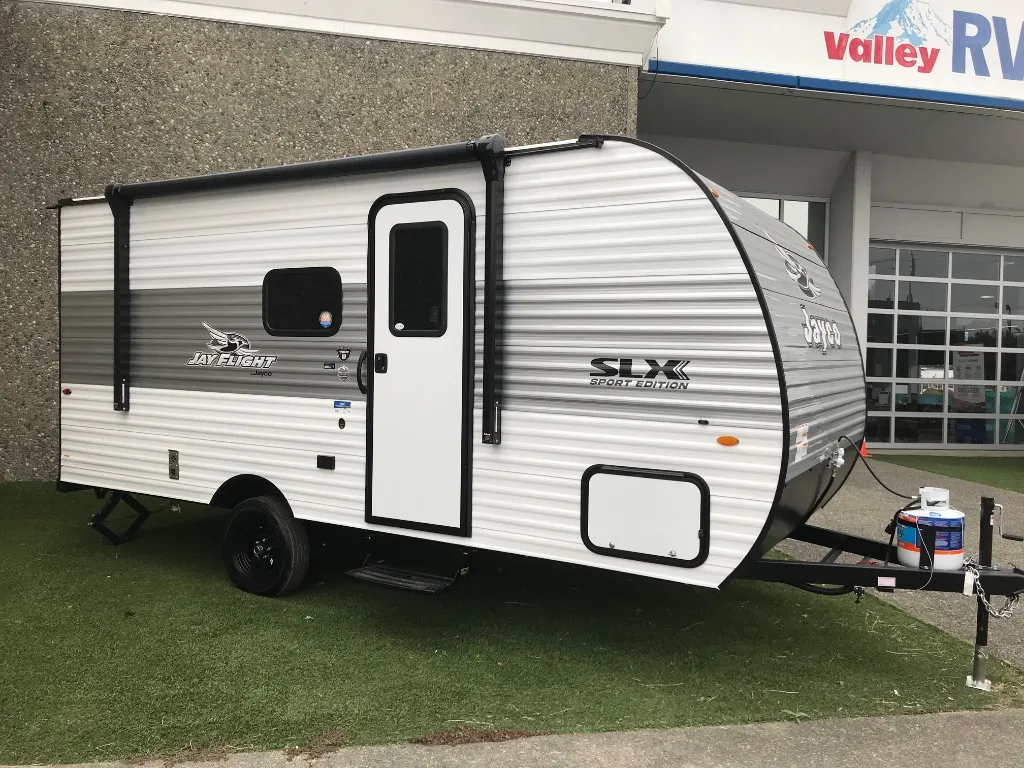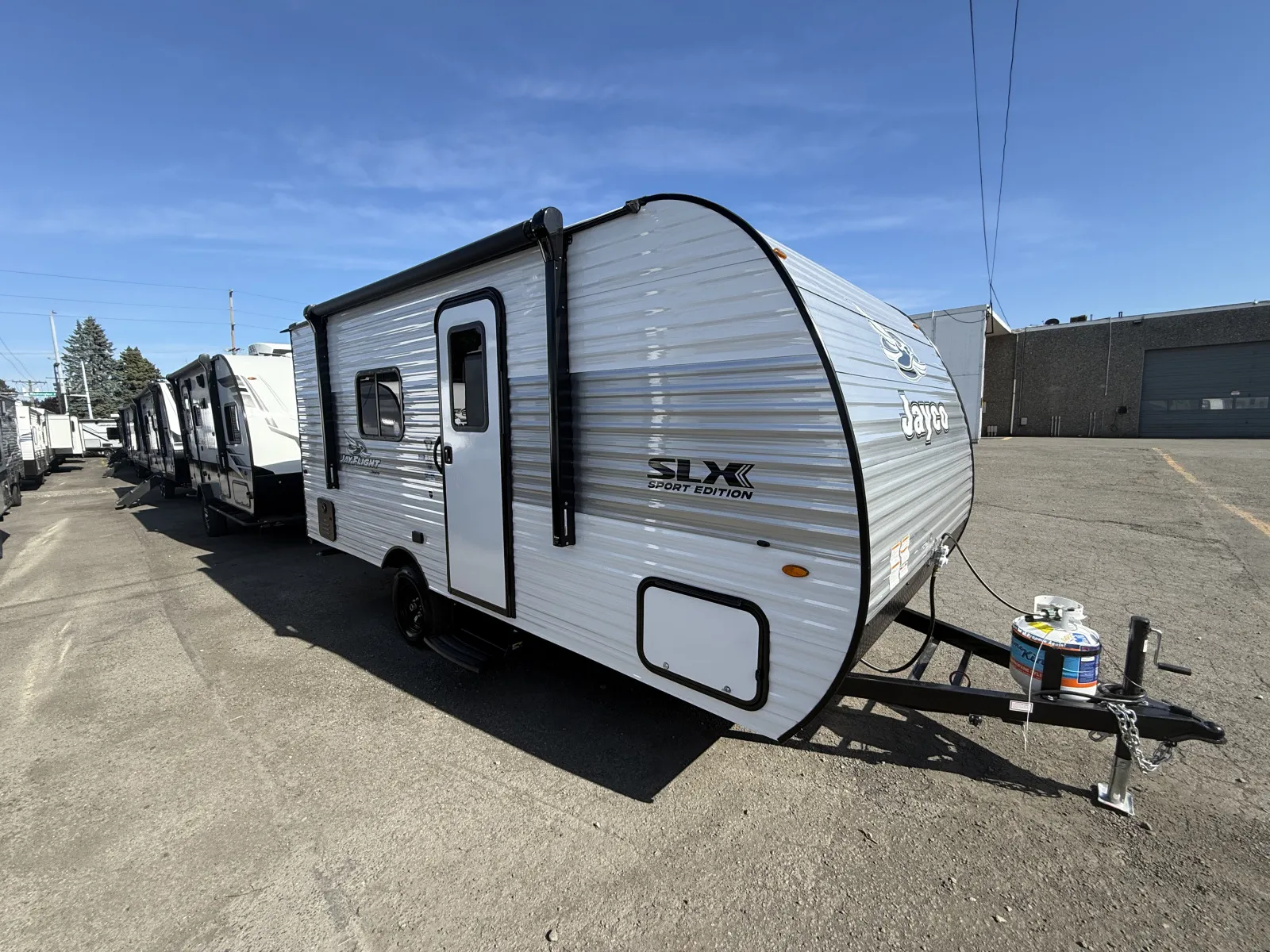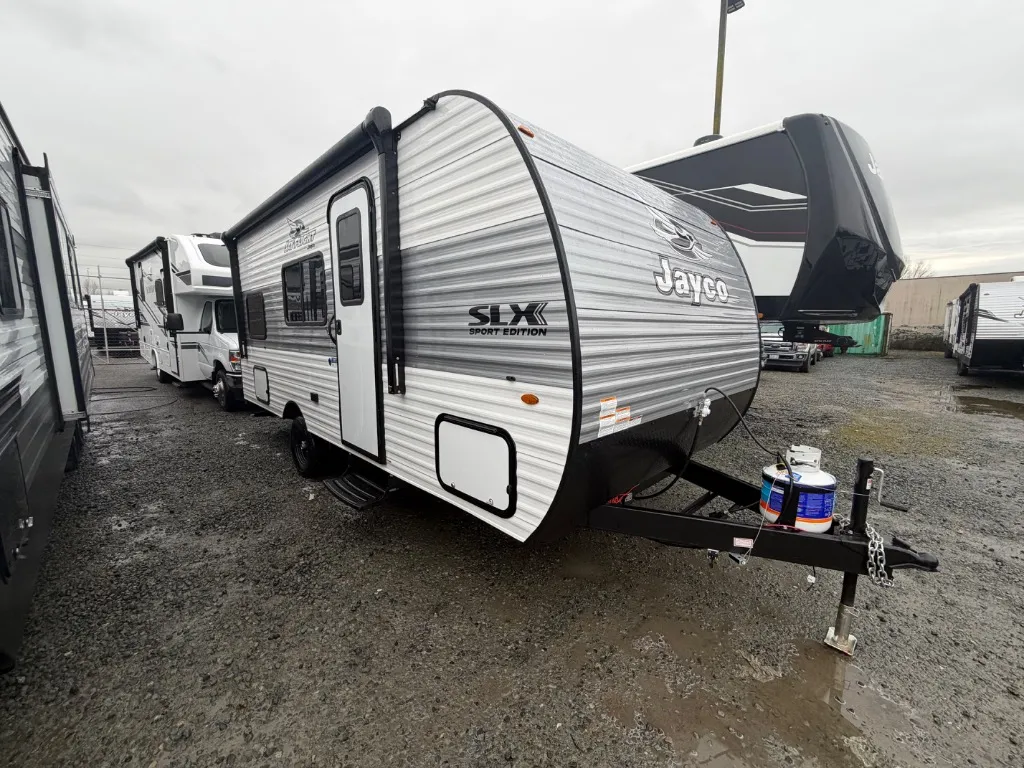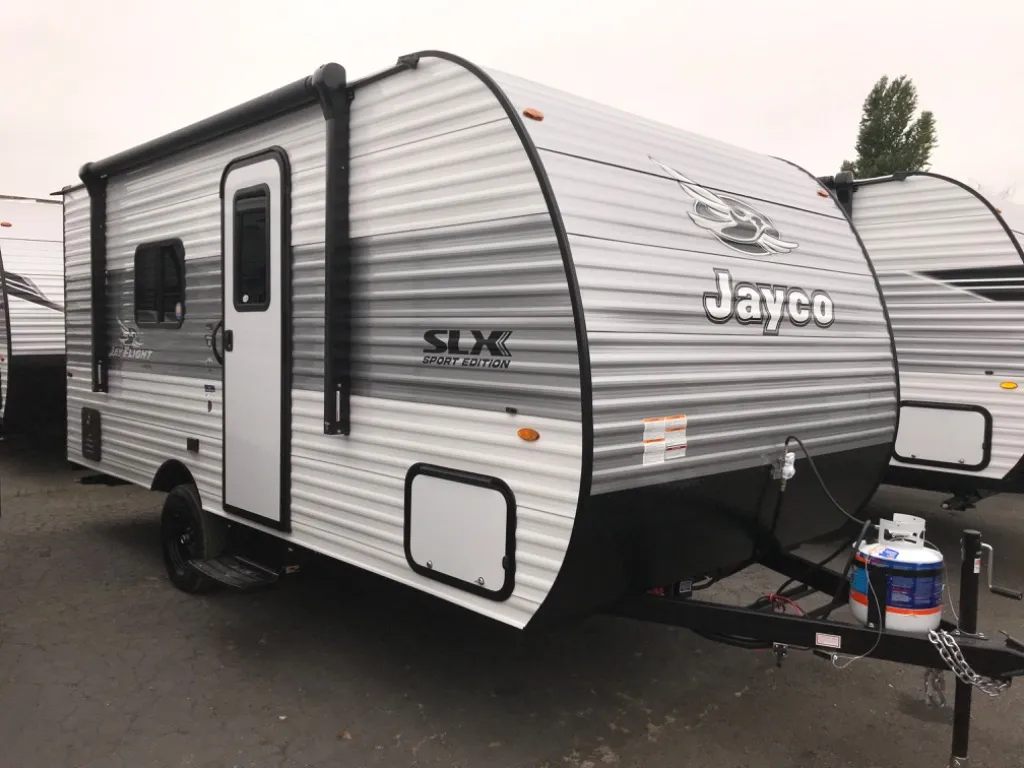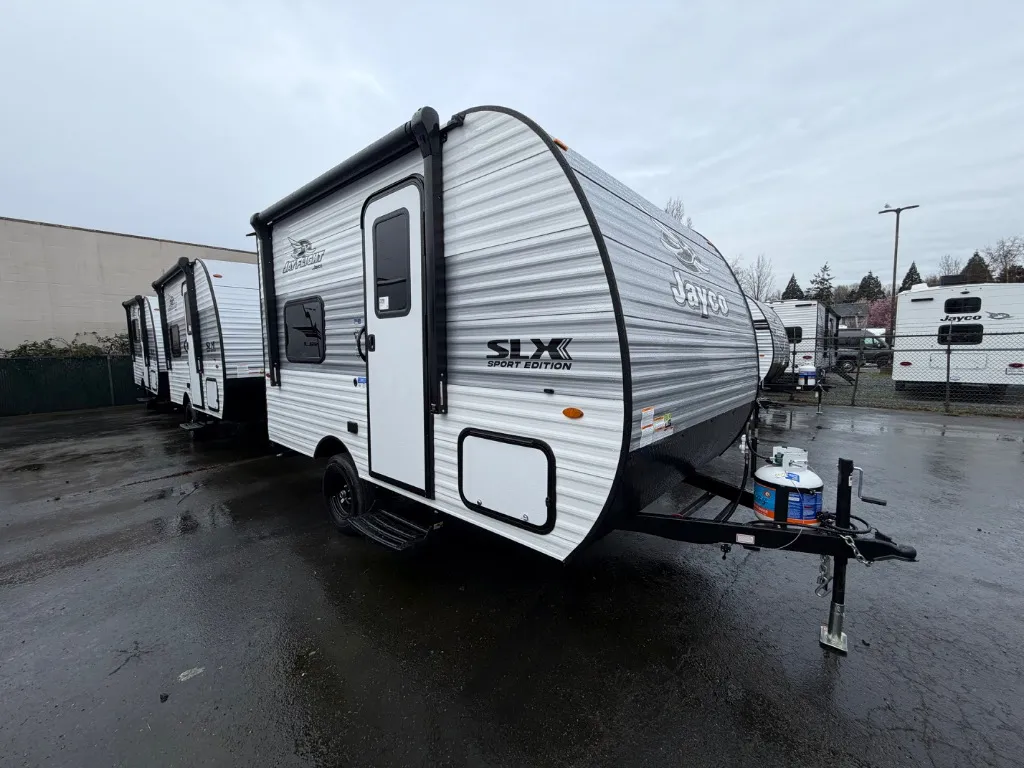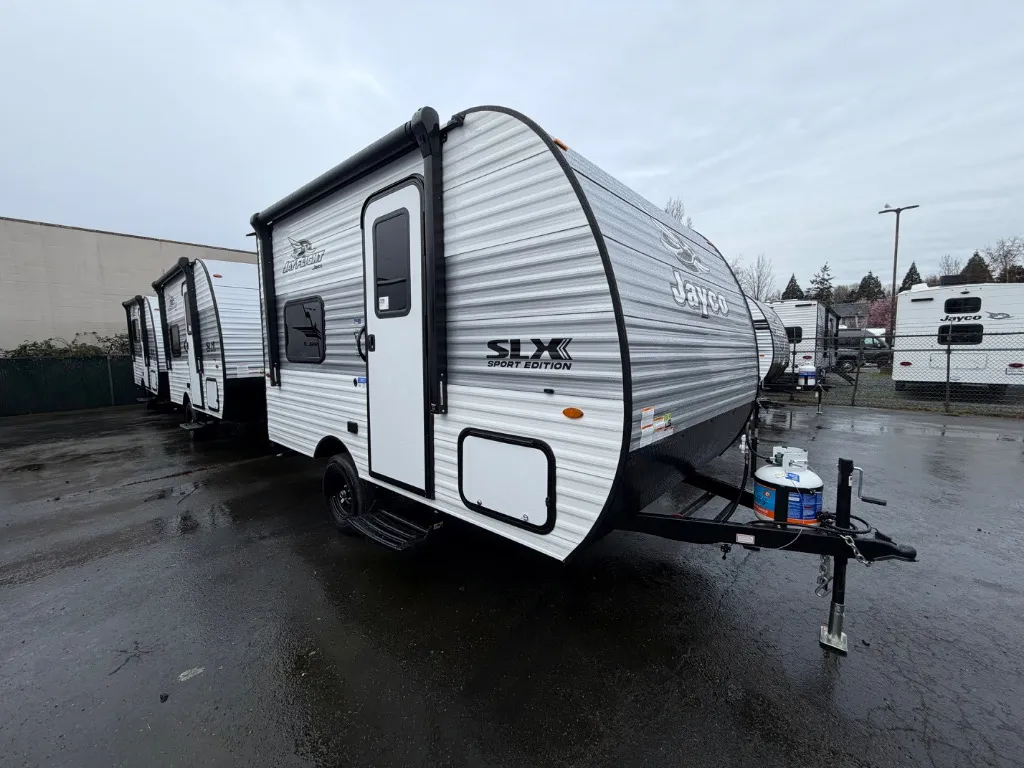

How to Buy a Used Jayco RV in Kent Without Missing Important Problems
By the Valley RV Supercenter Team | August 2026
Browse used RVs at Valley RV Supercenter
The honest answer to "which used Jayco should I buy" is a range, not a single year. Rigs built from 2016 through 2019 hit the balance most buyers want: modern construction, the steep first-owner depreciation already paid, and build dates that sit before the industry's record-volume crunch. Older units can still be smart buys with the right paperwork. Newer ones cost more and forgive more. And around Kent, where a normal year brings roughly 39 inches of rain, the deciding factor usually isn't the year on the title at all. It's the water history.
- Target zone. 2016-2019 builds pair Jayco's modern construction with real depreciation savings.
- Inspect twice. 2020-2022 units come from the industry's record-production years, so condition varies more from rig to rig.
- Budget buys. Pre-2015 Jaycos need proof of seal care, fresh tire dates, and completed recall work before the discount means anything.
- The Kent factor. A long wet season makes water history the most important check on any used RV sold here.
- Free recall lookup. Run any VIN at nhtsa.gov before you sign.
Which Used Jayco Years Are the Sweet Spot?
For most buyers, 2016 through 2019 is where a used Jayco makes the most financial and mechanical sense, though a meticulously kept 2012 will beat a neglected 2019 every time. Those four model years carry Jayco's current construction methods without the sticker of a nearly new unit, and they're all built before the 2021-2022 production surge.
| Year range | Verdict | Why |
|---|---|---|
| 2016-2019 | Target zone | Modern construction era, major depreciation behind it, pre-surge build dates |
| 2020-2022 | Case by case | Record industry output; quality varies more unit to unit, so inspection carries extra weight |
| 2023-2025 | Newest used | Light use and current systems, but the smallest discount against new |
| 2006-2015 | Proof required | Aging seals, aging tires, and recall-era hardware; strongest as documented one-owner rigs |
Construction is why the era matters more than the badge, and it's the part a listing photo can't show. Jayco builds its towables on the Magnum Truss roof system, which the company rates to carry up to 50 percent more weight than a typical RV roof, over vacuum-bonded Stronghold VBL laminated walls. A stiffer, better-fastened roof deck resists the loosened fasteners and hairline seam movement that start slow leaks. That doesn't make any year immune. It means a well-built shell rewards an owner who kept up with sealant, and it shows fast when one didn't. Sealant care is the tell.
Which Years Deserve a Closer Look Before You Sign?
Recalls exist in every era of Jayco production, and nearly all of them are fixable at no charge through an authorized service center. What separates a fine used rig from a headache is whether that work ever got done, so it's smarter to treat the recall record as a checklist item than as a dealbreaker.
The specifics are worth knowing. NHTSA recall records show Jayco recalled 2006-2014 towables for Fastec door latches that could stick (campaign 13V585), certain 2012 Jay Flight trailers for power converters that could overheat (11V554), and one 2019 Jay Flight floorplan for water tank support brackets that could fail (19V335). More recently, some 2025 Jay Feather Air trailers shipped with an incorrect weight-rating label (24V300). None of these is exotic, and each one takes two minutes to verify: enter the VIN at nhtsa.gov and the open items appear. Completed repairs travel with the rig, and they'll show up no matter who owned it.
You'll notice the pattern favors paperwork over fear. A seller who hands you service records, sealant receipts, and a clean recall printout has answered half your questions before you step inside. That's the seller you want.
Get Pre-Approved for RV Financing
The Wet-Climate Walkthrough: Reading a Used RV's Water History
National Weather Service climate normals put the Seattle area near 39 inches of rain in a normal year, most of it falling October through April, and that much moisture finds any seam a previous owner ignored. The upside is that water can't hide for long; it leaves a trail you can read in about an hour, even on a drizzly lot day.
- Start on the roof. Look at the lap sealant around every vent, skylight, and antenna base for cracking or lifting edges, and feel for soft decking underfoot. Bring a headlamp even at midday; our region's overcast flattens the shadows that would otherwise reveal ponding stains, and a raking beam brings them back.
- Press every interior corner. Check around window frames, slide-out corners, and inside under-bed and overhead storage. Discoloration, wrinkled wallboard, or a musty smell in a closed compartment is the story the listing didn't tell.
- Walk the floor slowly. Put real heel pressure near the galley, the bath, and the entry door. A spongy spot the size of a dinner plate usually means the subfloor has been wet before.
- Run every system. Light the furnace, the water heater, and the fridge on both LP and shore power, then run the pump and every faucet. Appliances that sat unused through wet winters fail in ways a quick showing never surfaces.
- Read the tire dates, not the tread. Trailer tires age out before they wear out. Find the DOT date code on the sidewall, and remember NHTSA's tire safety guidance treats age itself as a replacement factor, with many manufacturers advising new tires at around six years regardless of appearance. While you're down there, match the certification label's weight ratings against your tow vehicle's own door-jamb numbers, properly equipped.
If a rig passes all five, you've eliminated the failure points that strand buyers. If it fails one, you haven't lost the deal; you've gained a specific, priceable fact to negotiate with. Use it.
Which Year Range Fits Which Buyer
Match the era to the way you camp rather than to the newest number you can afford. Buyers from Seattle and Tacoma shop our lot with very different plans, and the right answer shifts with the trip list.
- First towable for a growing family. A 2016-2019 travel trailer keeps the buy-in reasonable while the kids decide whether camping sticks. Confirm your SUV or half-ton's ratings against the trailer's certification label before you fall for a floorplan.
- Summers at Mount Rainier or over the passes. If your season means national park campgrounds and towing across Snoqualmie Pass, prioritize a rig whose brakes, bearings, and tires have documented service over one with a newer badge and no records.
- Seasonal site setup. For a trailer that parks once and stays, interior condition and appliance health outrank road-ready items like tires. You're buying a cabin more than a vehicle, and the walkthrough above still applies; the priorities just reorder.
- Project-price shopping. A pre-2015 unit with a binder of receipts can be a genuine value. The same unit without paperwork is a gamble that rarely favors the buyer, and it's fair to say so at the negotiating table.
One honest caveat: if you camp two or three dry-season weekends a year, the premium for the newest used inventory may never pay you back, and a clean mid-decade rig will do everything you ask of it. When you've narrowed it to one unit, book a pre-purchase inspection with our service team and let a technician put it on record before money changes hands.
Used-RV Questions Worth Asking Before You Sign
How old is too old for RV tires if the tread looks fine?
Age matters more than tread on trailer tires, because RVs sit far more than they roll. Check the DOT date code on the sidewall: NHTSA's guidance treats tire age as a replacement factor on its own, and many manufacturers advise replacement at around six years even when tread depth looks healthy.
How do I check whether recall work was done on a used Jayco?
Enter the VIN at nhtsa.gov and any open recall appears immediately, at no cost. Completed recall repairs stay tied to the VIN rather than the owner, and open items on Jayco units are handled at no charge through authorized service centers, so an unrepaired recall is a scheduling errand rather than an expense.
Should I pay for a professional inspection on a used RV?
For a private-party sale or any rig older than about ten years, yes, it's a small cost next to hidden water damage. Buying from a dealer lot, ask for the service history and a documented walkthrough instead, and add an independent inspection whenever anything in the paperwork feels thin. Ready to put a specific rig under that flashlight? We'll keep the walkthrough straight, and the trade-in desk can tell you what your current setup is worth toward the upgrade.