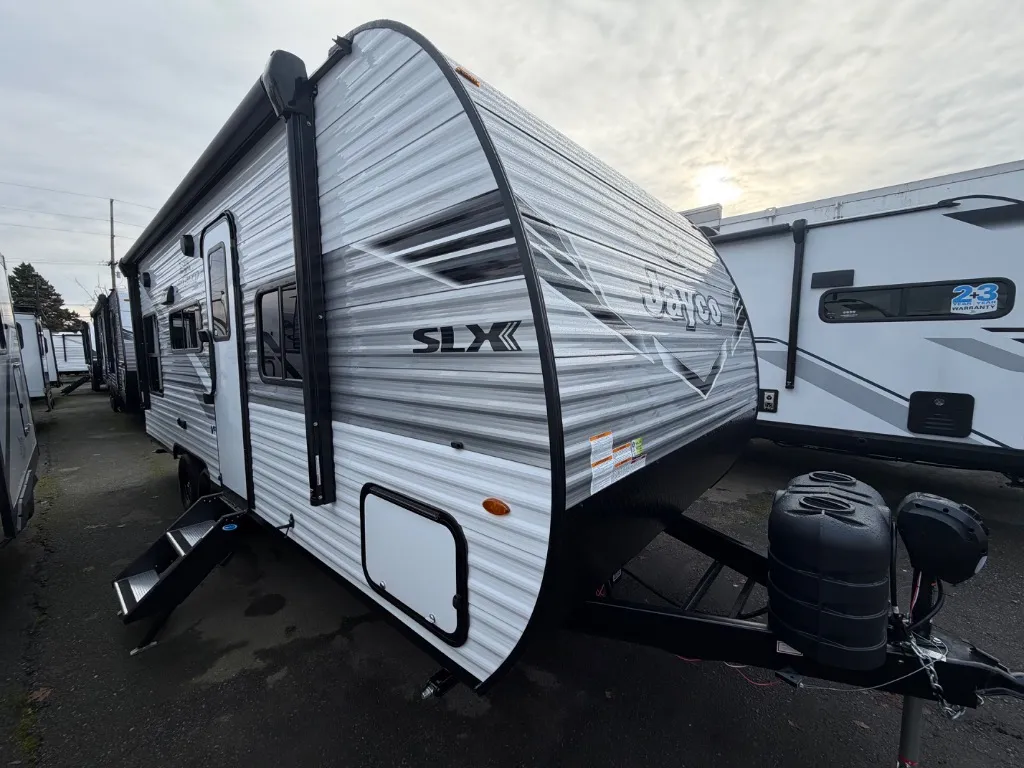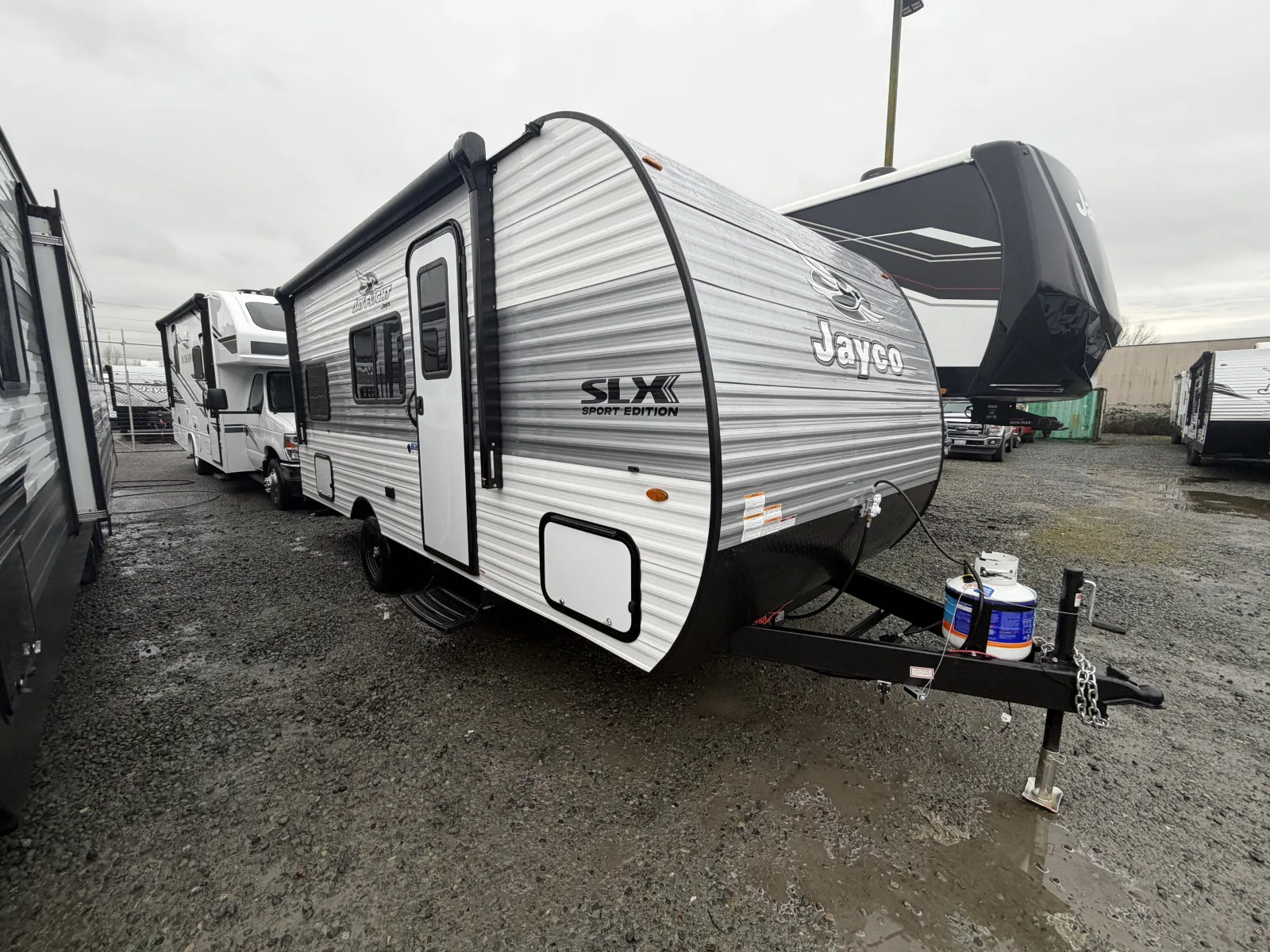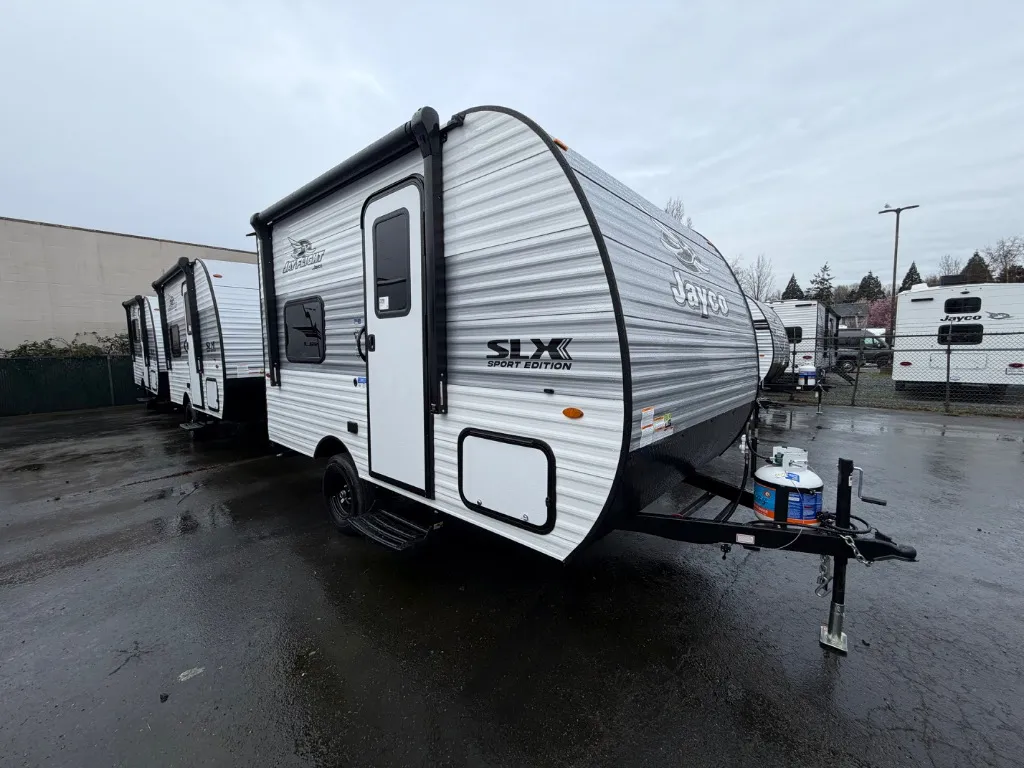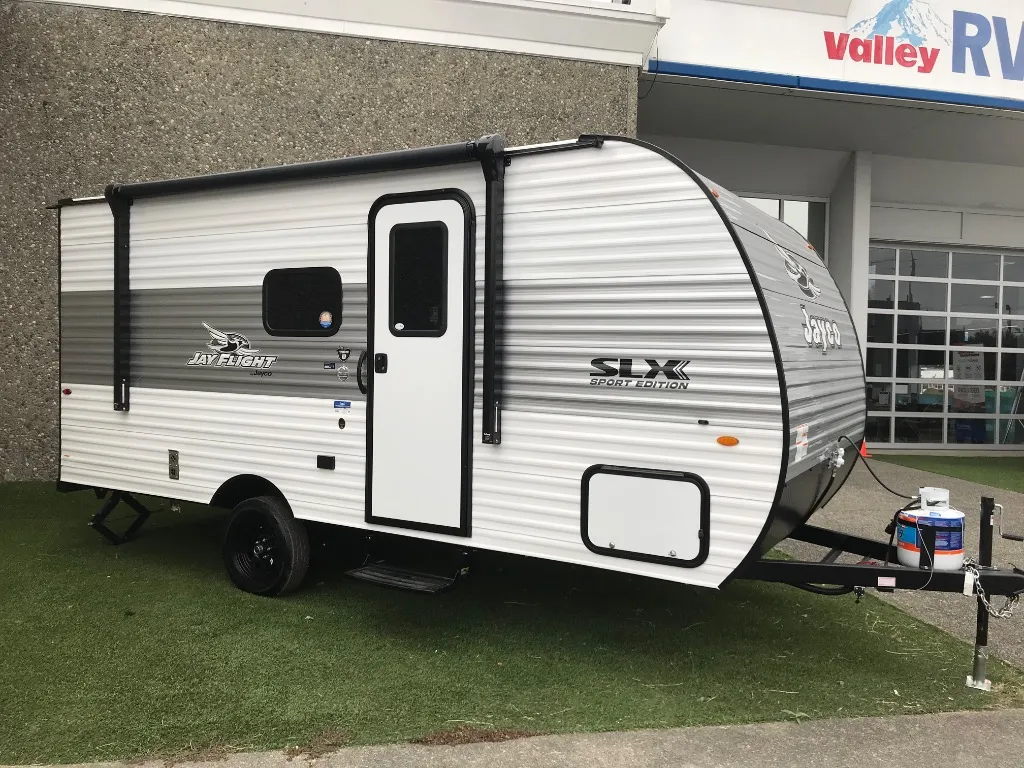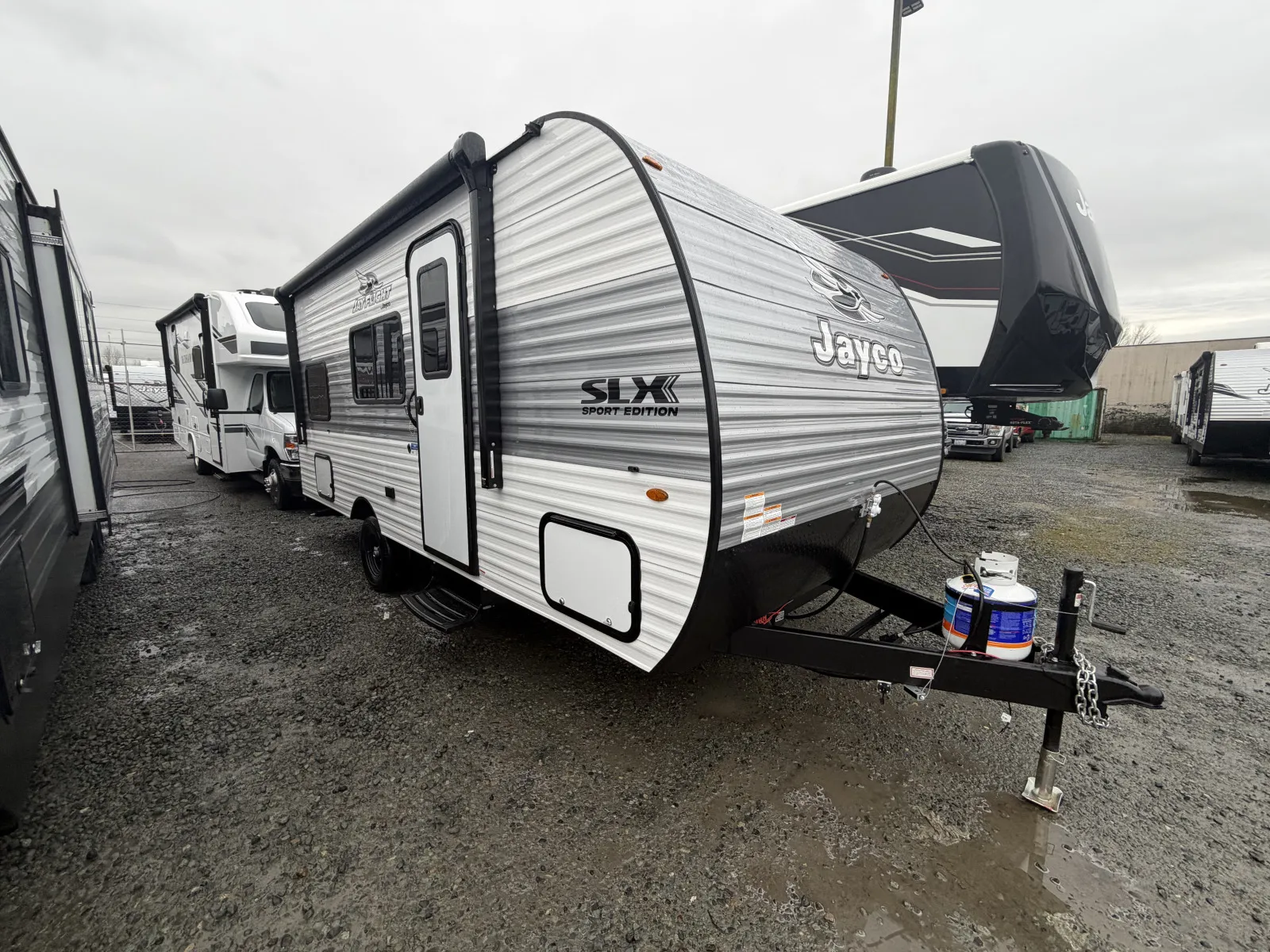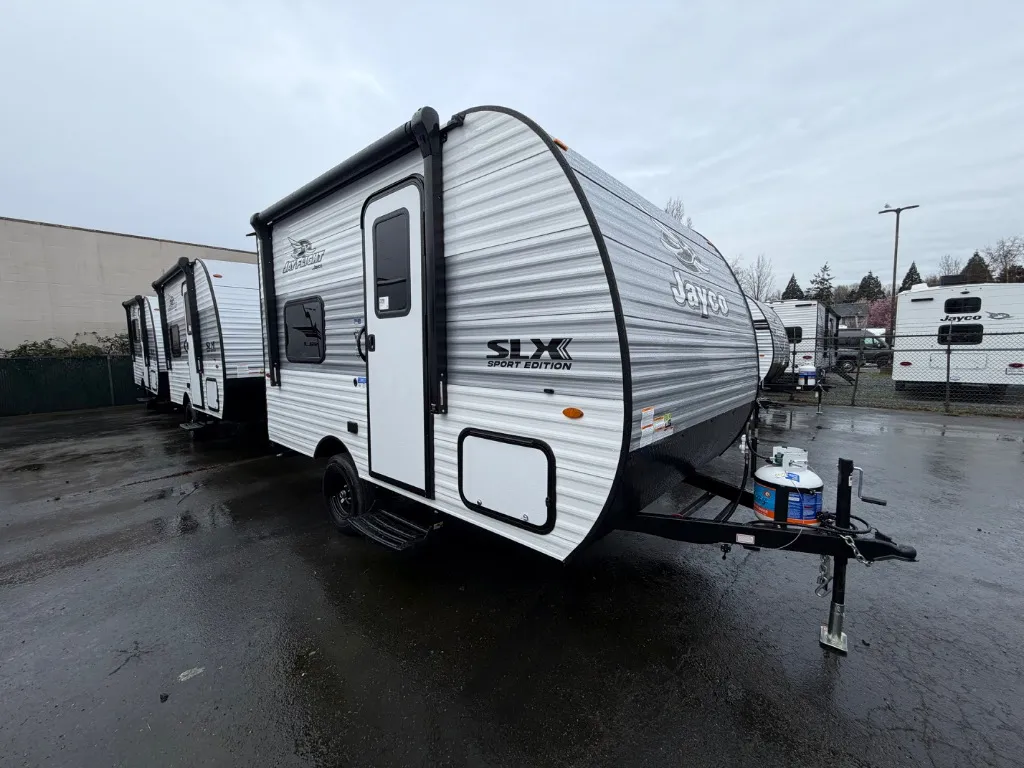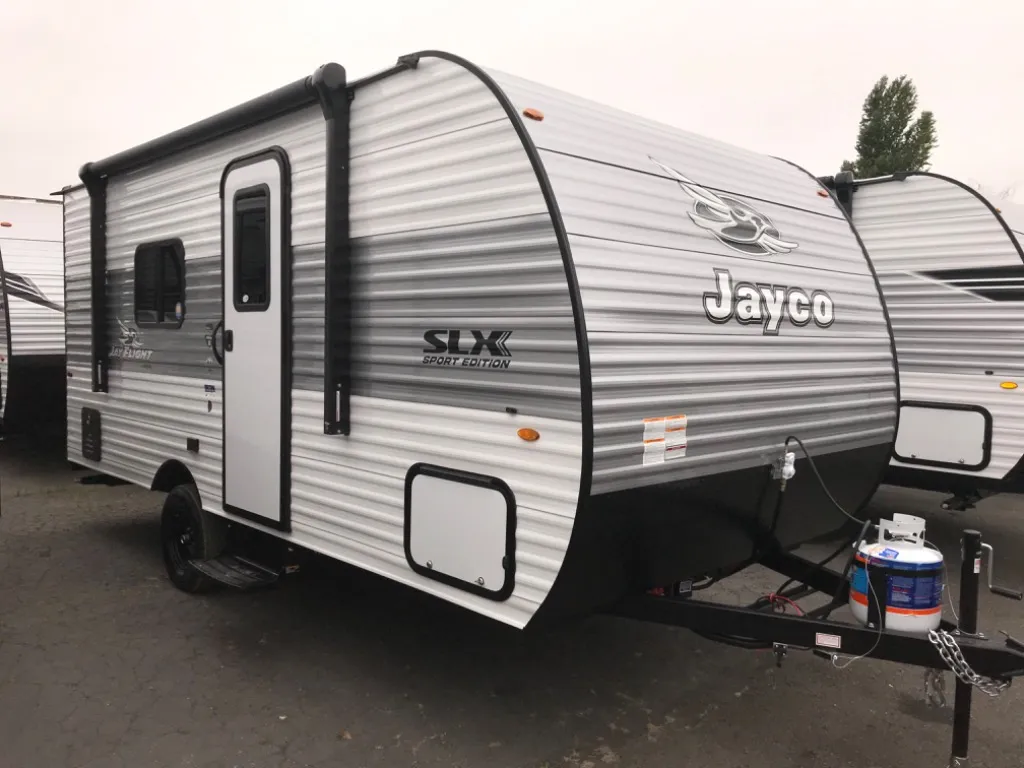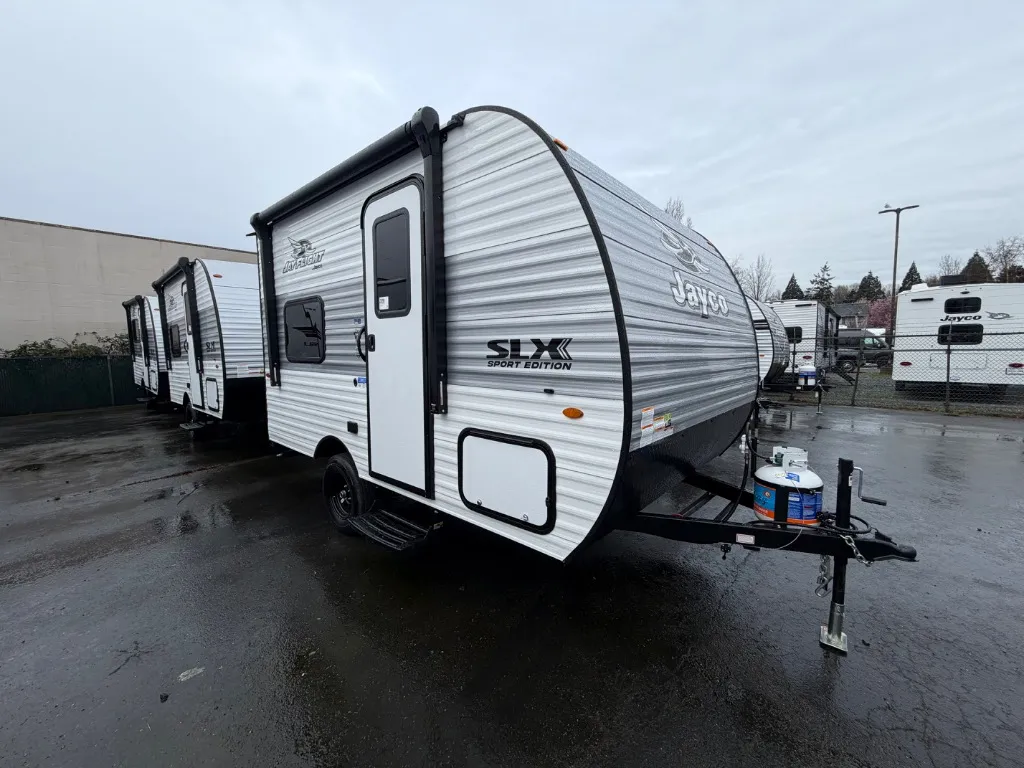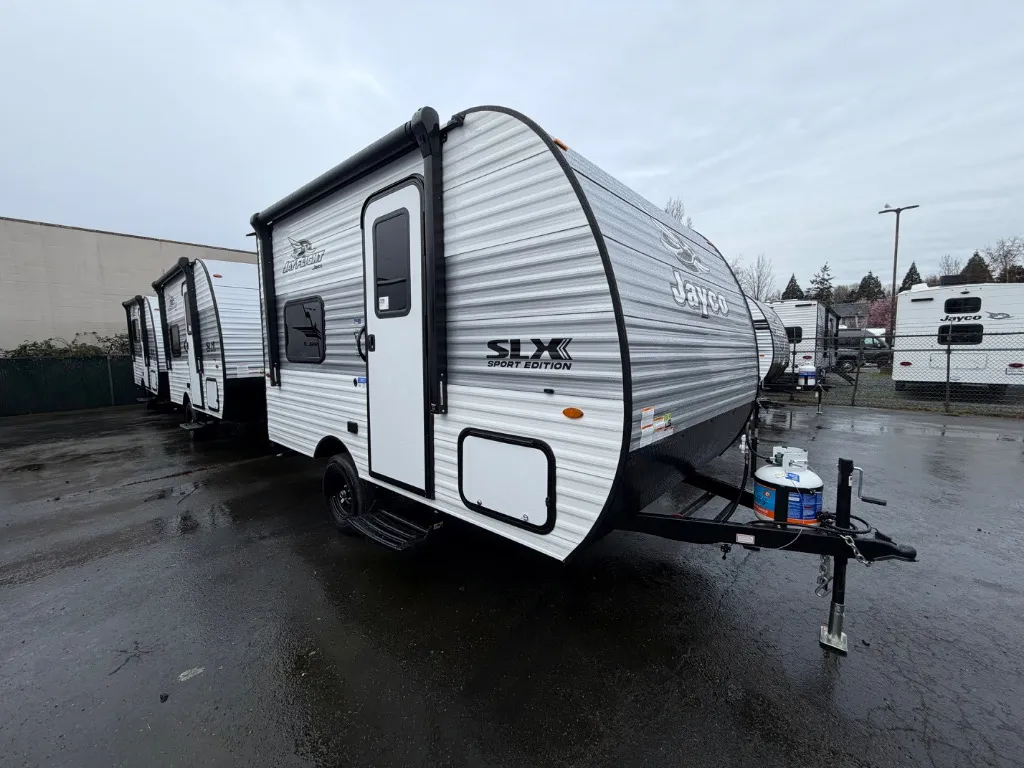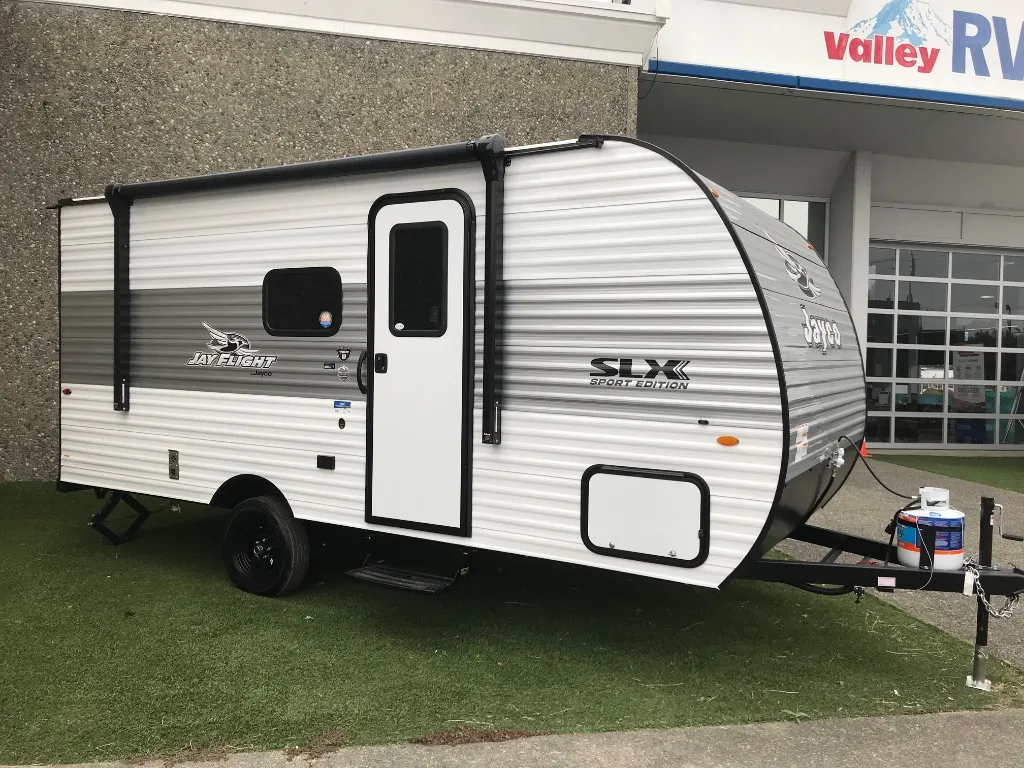

What RV Buyers Should Inspect After a Wet Washington Winter
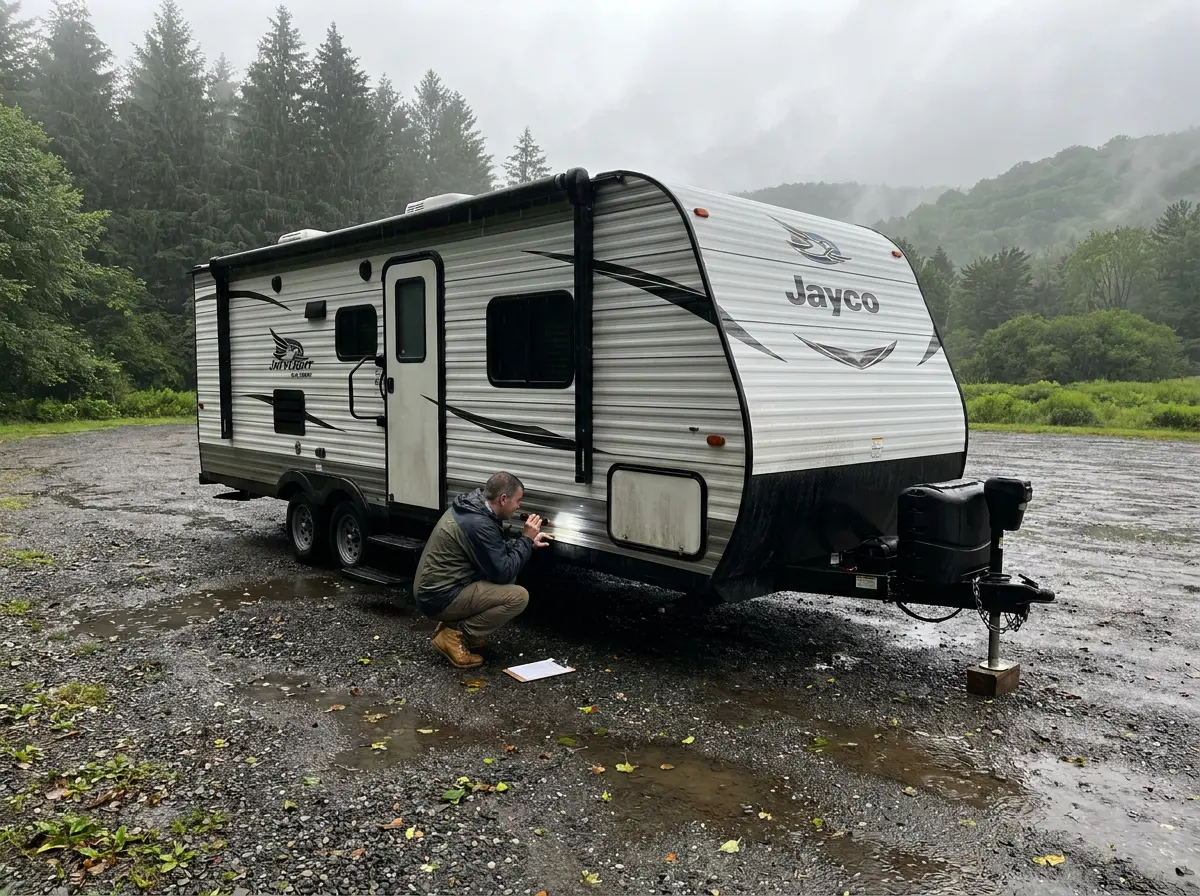
If you're shopping for a used RV anywhere in the Kent, Seattle, or Tacoma area right now, you already know the uncomfortable part. Every rig on a Western Washington lot has just survived six-plus months of persistent marine moisture. A Western Washington winter isn't a freeze-thaw cycle like Montana or Minnesota. Ours runs different. Picture a long, low, relentless wet season that runs roughly October through April and delivers close to 40 inches of precipitation annually across the greater Seattle area, according to historical climate records from the National Weather Service. Sustained dampness like that is uniquely punishing on RV sealants, slide-out rubber, and wood-framed walls. You won't get a dramatic crack or drip to warn you. The water just works its way in quietly.
The question a used-RV buyer actually needs answered isn't "is this a good year?" The better question is "what did this specific rig survive, and how do I find out before I sign anything?" We built this guide to answer that. We've organized it by model-year range for Jayco's most popular towable lines, flagged the verified NHTSA recalls that matter, and built a walk-through sequence our service team uses when evaluating trade-ins.
Browse our current used RV inventory to see what's available, and then read this before you walk through a single unit.
- Sweet-spot years to target: 2022-2024 Jayco Jay-Flight and Eagle units that have documented seal-maintenance records and no open NHTSA recalls.
- Years to watch carefully: 2018-2021 models covered by NHTSA recall 21V425000 (propane regulator). Confirm the remedy was completed before buying.
- The PNW difference: Washington's wet season means moisture damage on used units is more likely cumulative and hidden than dramatic. A moisture meter matters more than your eyes alone.
- Top inspection priority: Roof sealant and slide-out rubber sweeps, in that order. Soft spots in the floor or ceiling mean the damage is already structural.
- Used Jay-Flight SLX and Eagle fifth wheels are both strong platforms when maintained. The difference at purchase is always the maintenance record, not the badge.
Which years are the sweet spot for used Jayco towables?
For most buyers in our market, the 2022-2024 Jay-Flight and Eagle units hit the practical balance point, new enough to carry current construction standards and old enough to see some price relief, and they post-date the propane-regulator recall window that hit earlier model years. That said, a well-maintained 2019 or 2020 rig with a service record and completed recall work can be just as sound. The year is a starting point, not the verdict.
The table below breaks the model-year ranges down across Jayco's core towable lines.
| Model Year Range | Units | Sweet Spot? | Years to Watch | Why It Matters for PNW Buyers |
|---|---|---|---|---|
| 2017-2019 | Jay-Flight, Eagle, Seismic | Cautious yes | 2017-2018 (older sealant) | Six-plus winters of marine exposure; inspect every exterior seam. Check for open propane recall. |
| 2019-2021 | Jay-Flight SLX, Eagle, Jay-Feather | Watch carefully | 2019-2020 (NHTSA 21V425000) | Propane regulator recall covers this window. Confirm remedy completed at NHTSA VIN lookup before buying. |
| 2021-2022 | Jay-Flight, Eagle HT, North Point | Yes, with records | 2021 Jay-Feather X213 (NHTSA 20V585000) | Tire label recall on certain Jay-Feather Baja models; confirm label correction done. |
| 2022-2024 | Jay-Flight SLX, Eagle SLE, Jay-Feather Air | Strong sweet spot | None major confirmed | Post-recall window; prioritize seal documentation and walk-through over year concerns. |
Which years should you watch out for?
A handful of model years deserve a longer look, and the balanced answer is that a recall shouldn't scare you off a unit or get waved away either. Per NHTSA records, 2018-2021 Jayco Eagle and Jay-Flight trailers (along with several other lines) were covered under NHTSA recall 21V425000 for a propane regulator that could allow elevated pressure, increasing the risk of fire in gas appliances. The recall covered nearly 30,000 units. The remedy (a free regulator replacement by Jayco dealers) was available starting late 2021. A seller should be able to show you paperwork, or you can run the VIN yourself at NHTSA's public database.
Separately, per NHTSA recall 20V585000, certain 2021 Jay-Feather X213 Baja models carried incorrect tire and GAWR (Gross Axle Weight Rating) label information. Treat it as a safety flag, plain and simple. Confirm corrected labels are in place on any Baja unit from that model year.
Our service team runs the same first checks whenever a unit comes in for evaluation, and they line up with what matters most in a Pacific Northwest climate.
1. Roof membrane and sealant around all roof penetrations. Every vent, antenna base, and AC unit is a potential entry point. Look for sealant that's cracked, pulled away from the surface, or yellowed. Press down gently on the roof in these spots, and if it gives or feels spongy, water has already gotten below. Sealant usually needs attention every one to three years on the most exposed areas, so a rig that sat uncovered through six Washington winters without documented resealing is a risk.
2. Slide-out rubber sweeps and interior edges. Debris from Douglas firs and big-leaf maples (needles, leaf clusters, small twigs) collects on slide-out roofs and along the top sweep seals throughout the wet season. All that debris traps moisture against the rubber and speeds up brittleness. Extend the slide all the way, then check the top corners for debris pockets. Look inside at the interior edges of the slide room for discoloration, bubbling wall panels, or a musty smell. Any of those three signs in combination means water has been working in through that gap. Per Keystone RV's published maintenance guidance (applicable to Jayco's similar construction), poor upkeep is the leading cause of slide-out leaks.
3. Sidewall delamination. Run your hand along the exterior sidewalls from front to rear, especially below windows and at the lower skirt seam. A bubble or ripple in the fiberglass skin (what's called delamination) means the bond between the outer skin and the interior substrate has failed, usually from water that worked through a compromised seal. Jayco uses a vacuum-bonded fiberglass construction on most of its travel trailers, and when the seal maintenance has been consistent, that bond holds well. When it hasn't, delamination shows up within a season or two.
4. Interior floor soft spots. Walk every inch of the floor, bedroom to bathroom, under the dinette, and especially the area right next to any slide-out. A floor that flexes or feels soft underfoot has a compromised subfloor from moisture. At that point a professional inspection becomes non-negotiable. By the time you can see the damage, it had already been established for months before you noticed.
5. Underbelly and frame. Look for rust staining or mineral deposits on the underbelly wrap and the frame rails. Western Washington doesn't salt roads the way cold-climate states do, but surface oxidation on frame steel still tells you how a unit was stored.
Schedule a pre-purchase inspection with our service team if you've found a unit privately and want a professional second opinion before committing.
What do the recalls mean for your specific unit?
A recall on the list doesn't condemn a model year, but skipping the lookup can genuinely cost you, so run the VIN of any 2017-2022 Jayco towable through NHTSA's recall lookup tool before you finalize a purchase, per NHTSA's published records. It takes three minutes. The propane-regulator recall (21V425000) alone covered 18 Jayco product lines across six model years. If the recall remedy hasn't been completed, the dealer or private seller is responsible for disclosing it, but the practical protection is verifying it yourself. Completed recall paperwork adds tangible confidence to any purchase decision.
Completed recall work is easy to verify and easy to document. The lookup tool is public and free to use.
Check the VIN yourself even when the seller swears the remedy is closed. Recalls don't make a year bad, either. A 2020 Jay-Flight SLX with a completed regulator replacement and a documented seal inspection every spring is a better buy than an unchecked 2023 unit that sat through two winters without anyone opening the vents.
Which year fits which buyer?
The right year depends less on the badge and more on how you tow and how you camp, so we frame it by buyer type rather than by a single best year, because a first-timer with a half-ton and a retiree stepping into a motorhome are chasing very different rigs. Here is how we'd sort it for the buyers who walk through our door.
First-time RV buyer, towing with a half-ton or SUV: A 2022-2024 Jay-Flight SLX is our most consistent recommendation in this category. The SLX platform is purpose-built for lighter tow vehicles, the post-2021 units sit outside the major recall window, and it's a floorplan a first-time owner can manage. Always verify your tow vehicle's actual tow rating against the specific unit's door-jamb GVWR label before committing (published ratings vary by tow package and properly-equipped configuration).
Experienced fifth-wheel buyer wanting extended-season comfort: A 2021-2024 Jayco Eagle fifth wheel, especially one with slide-out documentation showing annual seal checks, is a strong choice. The Eagle platform is Jayco's workhorse for four-season-ready camping. The 2021 Eagle fifth wheel had a separate spring-hanger recall (NHTSA 21V167000, covered by free dealer replacement). Confirm it's closed on any 2021 unit.
Buyer on a tighter budget targeting a solid older unit: Look at 2019-2020 Jay-Flights with the propane recall confirmed complete. They're mature platforms with known maintenance patterns. Budget for a professional inspection. A 2019 Jay-Flight that had its regulator replaced, its roof resealed in 2022 and 2024, and no slide-out soft spots is a better deal than a cleaner-looking 2021 with no paper trail.
Retirees stepping into a motorized rig for the first time: The used Jayco Redhawk Class C market in Western Washington tends to see rigs that were used lightly and stored carefully, given the owner profile. Apply the same moisture inspection sequence (the roof sealant around the cab-over section is the first place to check, and it's often the last place sellers mention).
Schedule a Pre-Purchase Walk-Through
Honest tradeoffs: what used saves you vs. what it costs you
Buying used saves you real money up front and lets you step into a larger or better-equipped floorplan than you'd get new at the same spend level, and that part is genuine, but you also inherit whatever relationship the previous owner had with a caulk gun and a ladder. In a Western Washington climate, where the wet season runs longer than most buyers realize, a rig without documented seal maintenance is not a neutral purchase. You're gambling on how good the previous owner's attention was.
The inspection sequence above isn't pessimism. Walking it is the difference between a great used-RV purchase and an expensive surprise before your first trip to Mount Rainier or the Olympic Peninsula.
Frequently Asked Questions
What's the first thing to inspect on a used RV that was stored outdoors through a Washington winter?
The roof membrane and the sealant around every roof penetration (vents, AC unit, antenna bases) should be your first stop. Washington's wet season runs roughly October through April, and continuous low-grade moisture works into any hairline crack in sealant long before you see a stain on the ceiling. Press gently on the roof in those areas; a spongy feel means water is already below the surface.
How do I check whether a Jayco recall has been completed on a used unit I'm considering?
Run the unit's VIN through NHTSA's public recall lookup tool. Per NHTSA's records, 2018-2021 Jayco Eagle and Jay-Flight trailers (among other Jayco lines) were covered under recall 21V425000 for a propane regulator issue affecting nearly 30,000 units. The remedy was free dealer replacement. If the lookup shows an open recall, either negotiate for the remedy to be completed before purchase or walk away until it is.
Is delamination on a used Jayco travel trailer always a deal-breaker?
Not automatically, but it needs honest assessment. Small areas of surface delamination that are stable, dry, and haven't grown since they appeared can sometimes be repaired. Widespread bubbling across multiple wall panels, or delamination that's soft or damp to the touch, indicates water has been in the structure long enough to compromise the substrate (and repair scope grows fast). Have a qualified RV technician assess the extent before deciding. Condition varies by unit; inspect in person and never rely on photos alone.