
What to Know About Shore Power
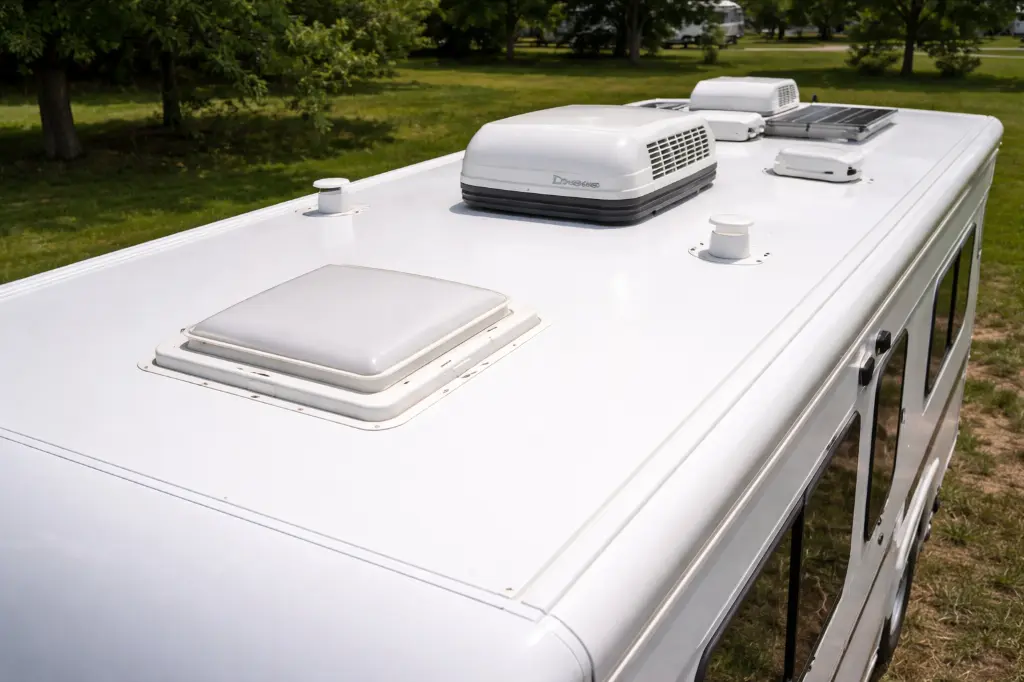
If you started camping lightly with tents or perhaps a light pop-up camper, you didn’t really worry about electrical issues. If the campsite had an electrical hookup, that was all you needed to know, as it was likely enough to power some lights, charge your phone’s battery, or maybe run a sound system at times. But as you graduate into RVs with a TV, built-in appliances, and even air conditioning, your campsite power needs become more complex, and you need to become familiar with the various types of “shore power” available. This Valley RV Supercenter post covers RV shore power basics, how it works, options, and troubleshooting.
Shore power is the electrical connection that allows your RV to draw power from an external source, typically at a campsite or RV park. It most likely comes from the local grid and provides a stable supply of electricity for your RV’s appliances, lights, and climate control systems when you're parked, allowing you to use your electrical gadgets without relying on your RV’s batteries or generator. The term is derived from when ships and boats connect to electrical power sources when they are docked.
15-20 Amp Shore Power
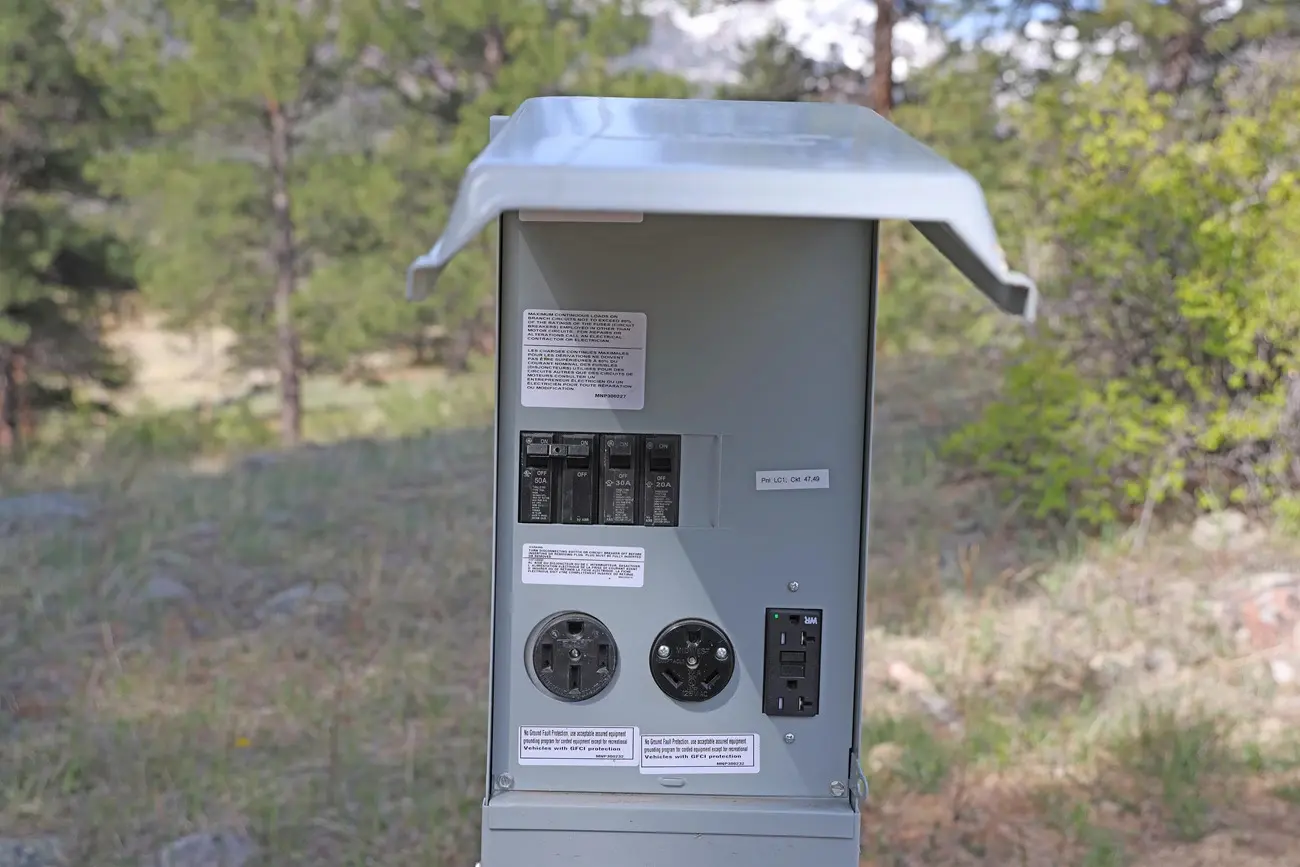
It is important to know that not all campsites provide the same level of power. 15- to 20-amp shore power is basic, with a connection identical to a household outlet. A 20-amp shore power connection provides 120 volts, and multiplying those two numbers gives you your total available power (120 volts x 20 amps = 2400 watts). This is sufficient to run lights, audio, phone chargers, and possibly a small refrigerator. It will not be enough to run a microwave oven, air conditioning unit, or even a hair dryer, unless you first unplug or shut off everything else.
30 Amp Shore Power
This is typically found in most RV parks and campgrounds. A 30-amp 120-volt outlet supplies 3,600 watts, which is usually sufficient for common RV appliances such as lights, refrigerators, microwaves, and small air conditioners. It’s an optimal choice for most recreational vehicles needing moderate power, providing a practical balance of cost and performance.
50 Amp Shore Power
This is as big as it gets, and if an RV Park provides it, they will likely mention it in their promotional materials. 50-amp, 240-volt shore power circuits allow you to draw up to 12,000 watts, which is enough for more than one air conditioning unit, a full-size refrigerator, electric heaters or stoves, and even washers and dryers.
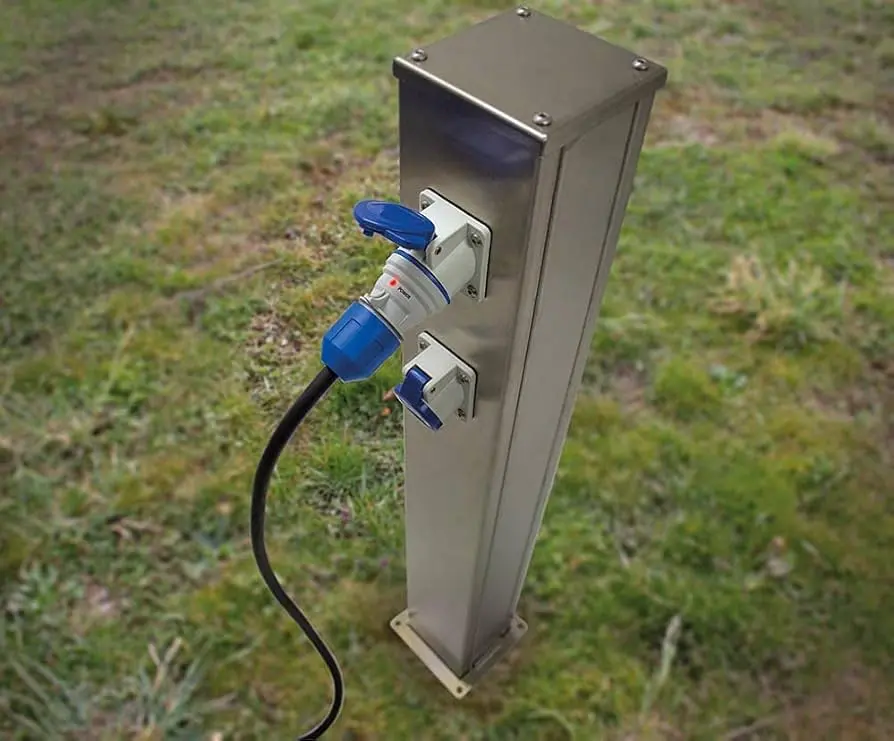
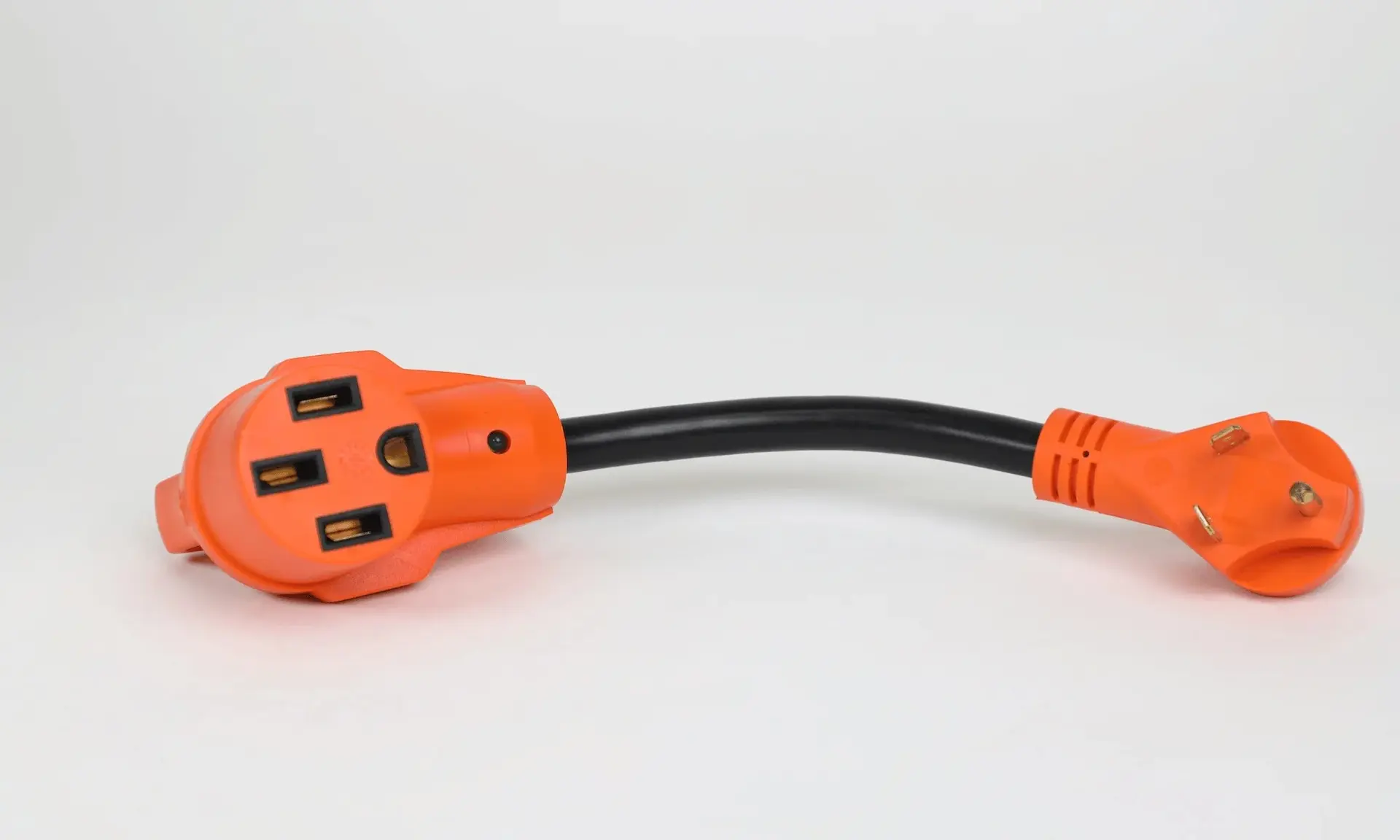
It is important to know your RV’s amp rating. While you can connect a 50-amp RV to a 30-amp power feed (pedastal) using a converter, you can’t connect a 30-amp RV to a 50-amp supply without risking damaging or overloading your RV’s wiring. It is also important to use the correct power cord. For a 15-20-amp connection, most outdoor extension cords will do. But a 30-amp RV requires a proper 30-amp cord, while 50-amp RVs also require their own gear.
Always make sure your RV’s electrical panel is shut off before connecting to any type of shore power pedestal, and make sure your cord is both securely connected and twist-locked in place. This will prevent electrical arcs that can damage both your cord and the pedestal.
Charging your RV Batteries
Assuming you are not using every last watt available at your campsite, both 30-amp and 50-amp shore power feeds are capable of charging your RV battery system. Remember that batteries can only take in (and supply) direct current (DC). Your battery system will have a converter, but the process of converting alternating current (AC) shore power to DC slows the rate of charging, making the process slower than charging your RV batteries with an alternator while driving down the road. Depending on the power supplied and the converter used, it will likely take several hours to fully charge your batteries on shore power.
Shore Power and Solar Power Compatibility
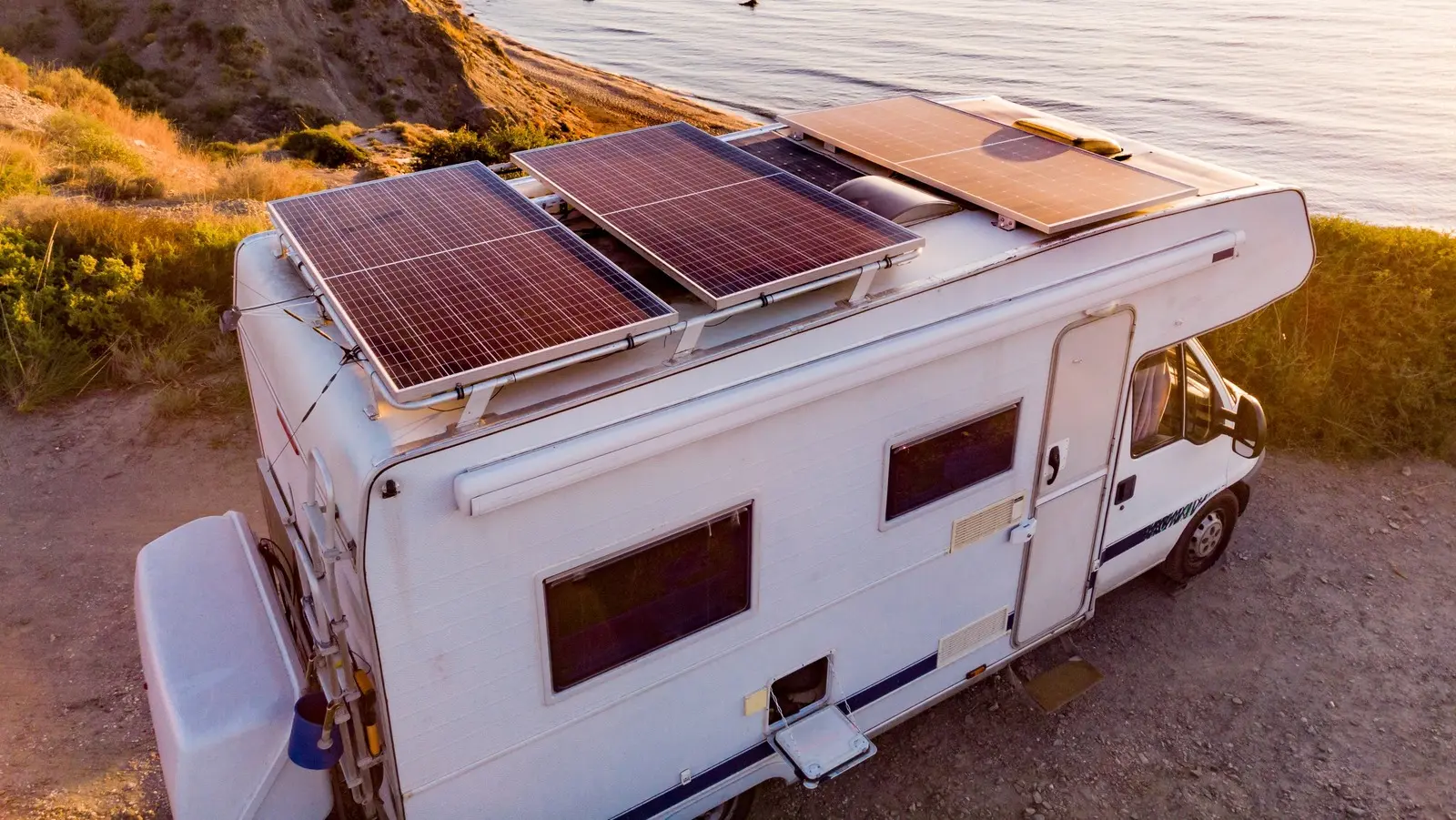
You can operate your RV’s solar system even when plugged into shore power. While shore power supplies most of your RV's electrical needs, such as lights, air conditioning, and the refrigerator, solar panels can still run in the background to charge your batteries or power low-draw appliances like lights, fans, or an audio system.
Always have a Surge Protector
If your RV does not have one built-in, it is essential to use a good surge protector between the camp pedestal and your RV’s electrical system. A reliable surge protector safeguards your RV’s electrical system by stopping damaging power spikes that could otherwise destroy your appliances and electronics. Investing a small amount upfront can save you thousands in repairs or replacements later.
Not quite as essential, but a voltmeter or multimeter may be worth stashing in your RV. It can quickly verify whether the campground pedestal is providing proper polarity and voltage before you plug in. While a simple step, it can prevent an electrical issue or even damage to your system.
If you have further questions about the electrical system in your RV, don’t hesitate to ask the service experts at the Valley RV Supercenter. Be sure to come to the Valley RV Supercenter for any potential upgrades to your RV’s electrical system.