
A Spring Maintenance Checklist for Your Tow Vehicle
.webp)
As it gets warmer, you probably already have plans on where to take your RV this summer. While you may be experienced in getting your RV ready for summer trips, don’t forget your tow vehicle. It might seem the same as always, but winters can be tough on vehicles if they’re not properly maintained. There are certain steps you should take after each winter to better prepare your vehicle for upcoming trips. Here are a few tips from the Valley RV Supercenter.
April has been designated as National Car Care Month, one of two during the year, the other being October. But if you missed April, don’t despair. When it comes to vehicle maintenance, what you do is more important than when you do it. Here are a few suggestions for an annual spring vehicle care routine.
Tires Care and Inspection
If you put a set of winter tires on your vehicle, good for you! Not enough people do, and they don’t realize that four- or all-wheel drive isn’t a substitute for the right tires in cold and snowy months. But now is the time to switch back to your all-season tires with compounds better suited for summer temperatures and treads that are noticeably quieter on the highway. If you don’t change your tires, this is a good time to rotate them to even out the wear. This process will also ensure your tire pressures are where they should be.
Removing Winter Corrosives
The salt used to melt snow on roads can be especially harmful to your vehicle, and a quick drive in a spring rain won't be enough to wash away the corrosive elements. The best option is to use a high-pressure sprayer, either attached to your hose or at a car wash station. After covering your entire underbody, focus on the front and rear bumper areas and wheel wells. After rinsing, take a moment to check for any signs of rust and treat them promptly to prevent further damage.
Fluids
Take a moment to check all your automotive fluids and top them up if needed. Winter puts extra strain on your engine, and the condensation and moisture that can build up might cause some wear. If you notice the fluid levels are dropping significantly, it’s a good idea to investigate. Usually, the missing fluid could be leaking or being used up inside the engine. This might also be a good time to change your oil and filter. If it’s early but you have a trip planned soon, go ahead and take care of it beforehand, and make sure the oil you choose is recommended for your vehicle during summer temperatures.
Gaskets
If your vehicle is parked on asphalt or gravel, it can be hard to spot fluid leaks. A good solution is to slide a piece of cardboard under the vehicle after using it for a few days and check what has dripped onto the surface. Then, look to see if you can identify where it’s coming from. Often, cleaning the surfaces and checking again after a few drives can help locate the source. Oil may come from the oil pan, valve cover, or other gaskets, but it could also be due to an insufficiently tightened drain plug or oil filter.
.webp)
Interior
Your footwear can track in those winter-corrosive additives, which can pass through the floor mats and into your carpet, starting to eat away at the metal from the inside. Dedicate about half a day to thoroughly cleaning your interior, beginning with removing and cleaning all floor mats and vacuuming the carpet underneath. Of course, this is also a good time to remove all trash, apply protectant to your dash, and clean the inside of your windows.
Wipers and Filters
Winter can lead to extensive wiper use, while the cold can stiffen rubber compounds. Don’t live with streaks on your windshield. Replace the wipers and top off the washer reservoir.
Many cars now have cabin filters for the HVAC system, and it can be easy to forget to replace or clean them because they are so hidden. Often they are behind the glove box. Take a moment to locate your cabin filter and inspect it. Sometimes, just knocking the sediment off it may suffice, but if it still isn't white, go ahead and replace it.
Battery
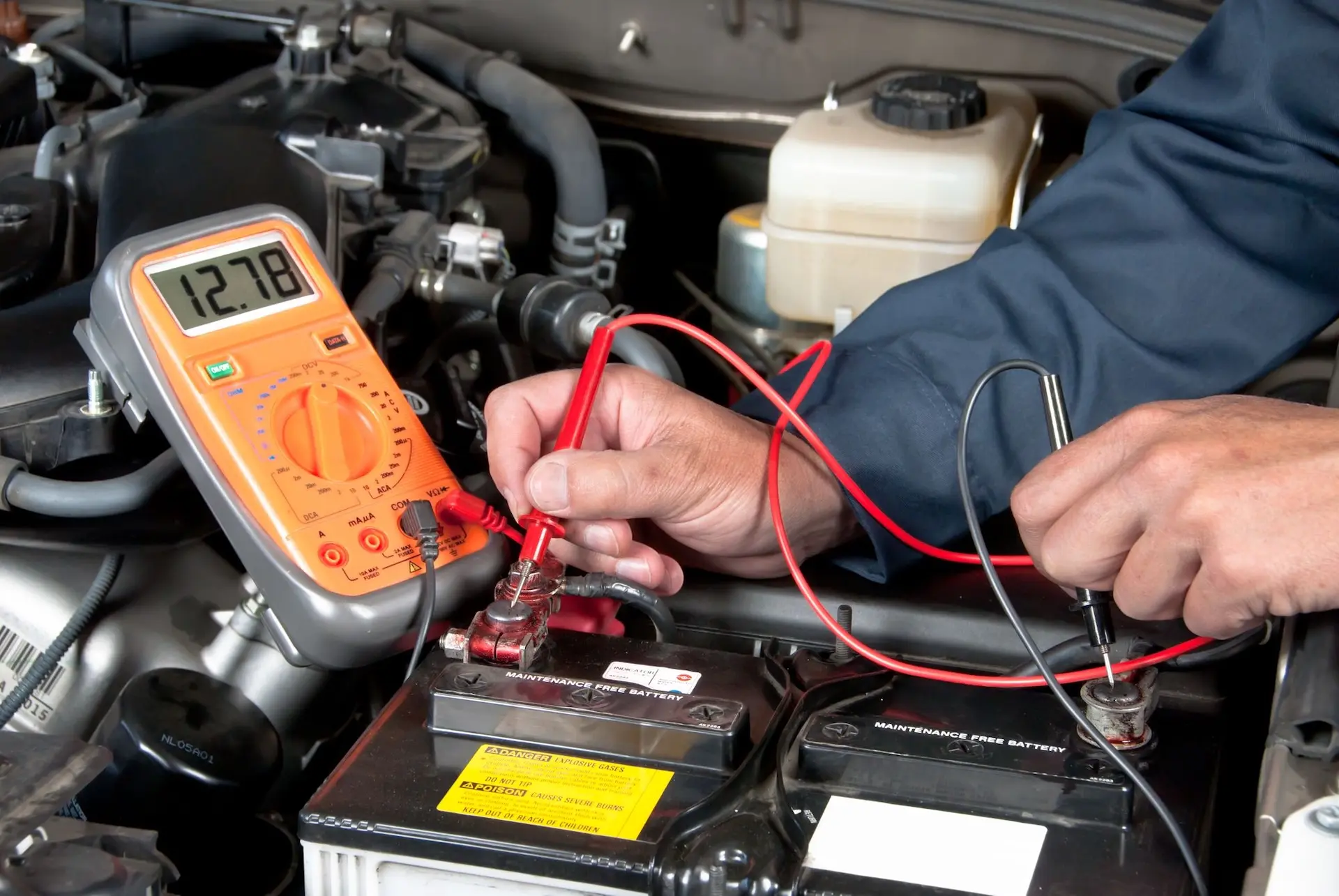
Winter temperatures can reduce your battery’s power, while thick oil can make it harder to start the engine. While this makes your battery work harder, high temperatures are actually more damaging to your vehicle’s battery. Heat accelerates chemical reactions, leading to faster discharge and premature failure.
If you have a multimeter, test the battery’s strength for the upcoming summer months. With the meter set to 20V DC, a healthy battery should read approximately 12.6V, while a resting voltage below 12.4V indicates it needs a charge. 9.6V or below during cranking shows the battery needs to be replaced. As always, be sure to clean the terminals of any acid buildup.
If, upon your inspections, you come across some other issue and are wondering if it will impact your vehicle’s towing ability, contact the service professionals at the Valley RV Supercenter for advice.