
What to Know Before Buying an RV
Saving and planning for a new RV purchase can be exciting, but it’s important not to get too far ahead of yourself. Buying an RV is like buying a house in many ways, and it can be a significant financial commitment, so you want to have all of your ducks in a row before heading to the dealer for a test drive. While we couldn’t possibly cover all of the necessary considerations before buying an RV, we’ve rounded up the most important things to remember when you’re planning a purchase. Let’s get rolling.
Which Type of RV is Right for You?
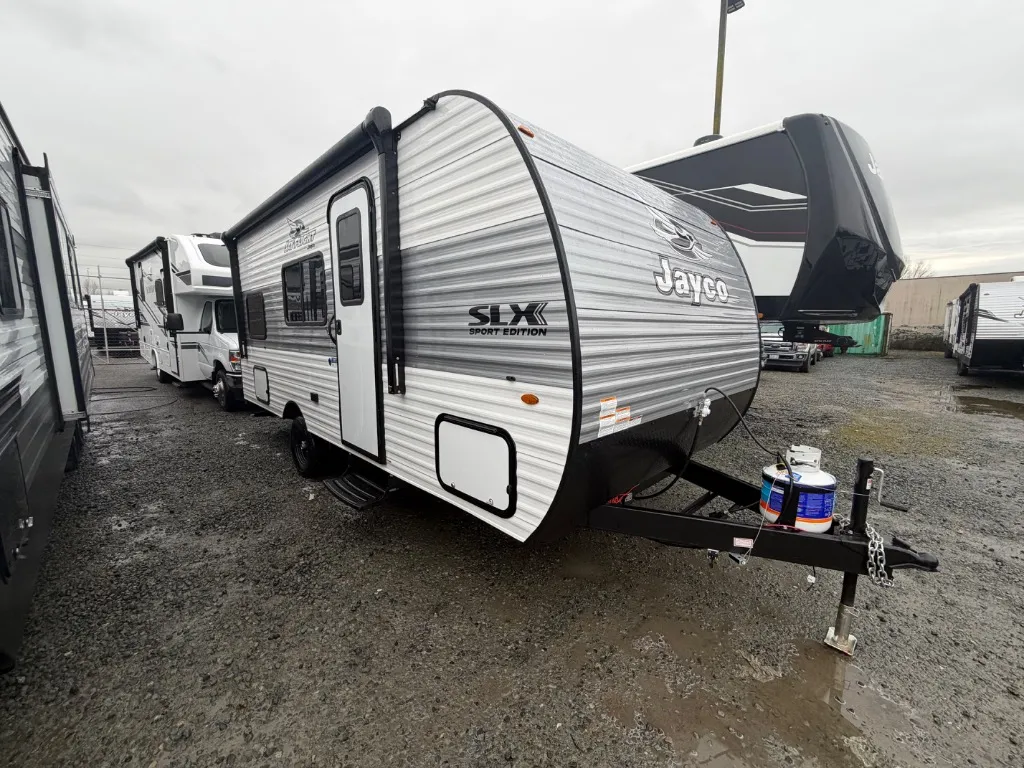
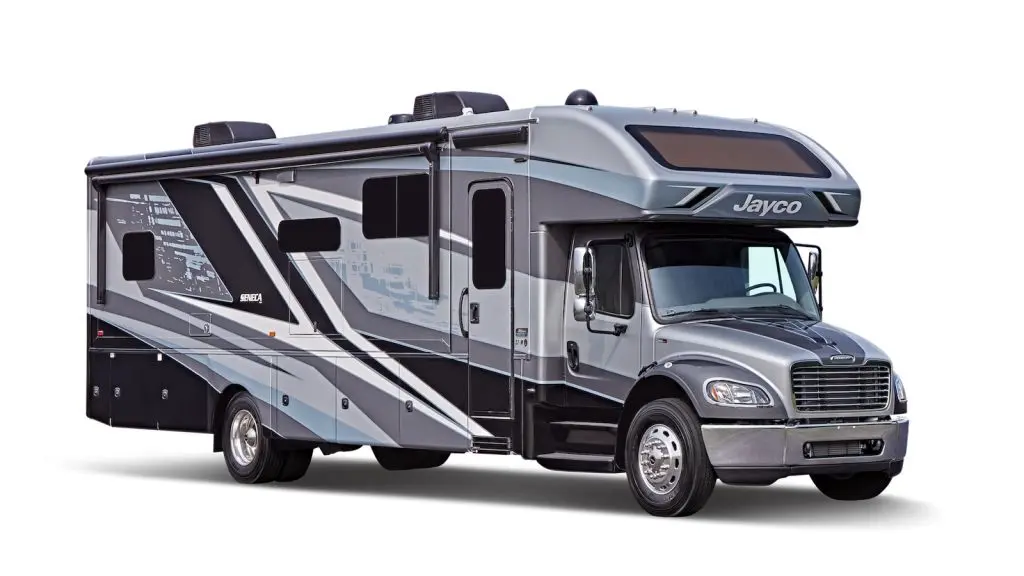
It might be tempting to buy the biggest, baddest RV you can afford, but larger vehicles mean more expensive fuel bills and a more difficult time maneuvering in anything but a wide-open space. Think about how many people you’ll regularly have on board, planning for additional space in case you need to accommodate an extra person or two. How and where you drive should also guide your decision, as you’ll want a vehicle capable of navigating off-road scenarios, tight urban areas, highways, and other situations that you encounter on your adventures.
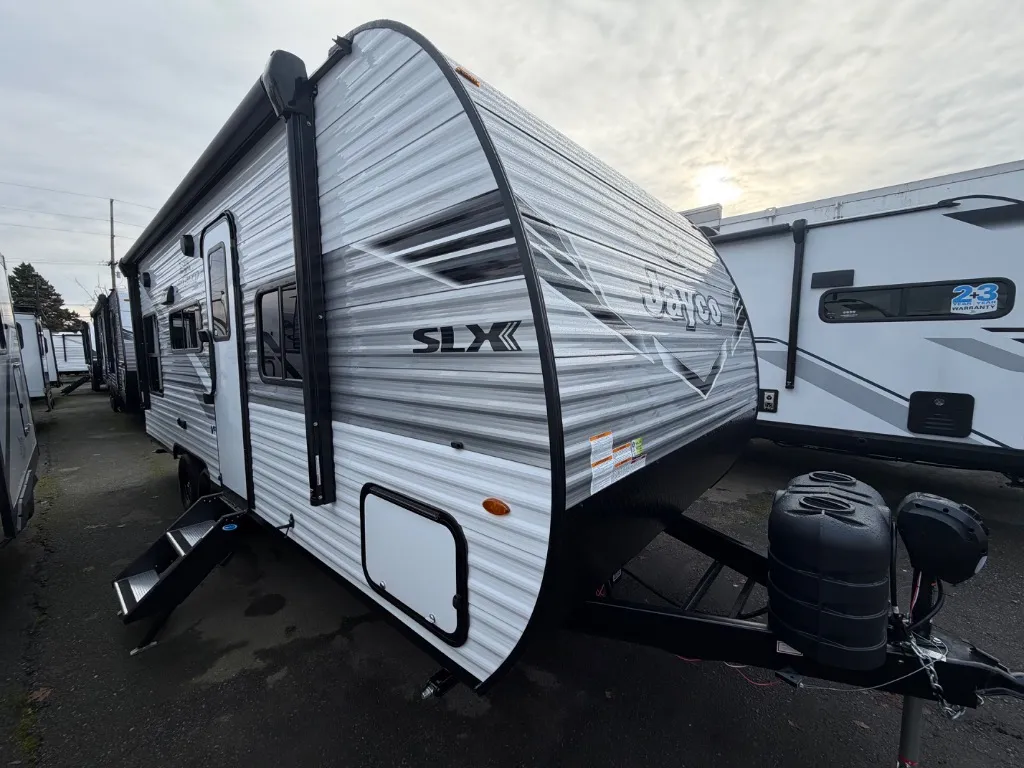
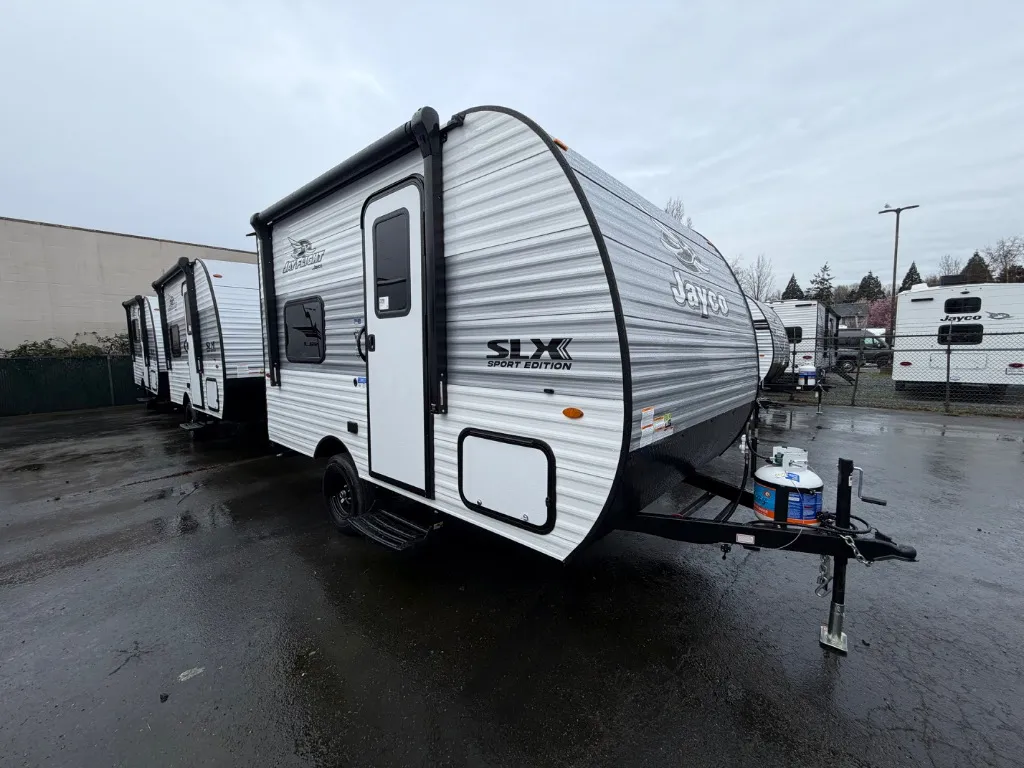
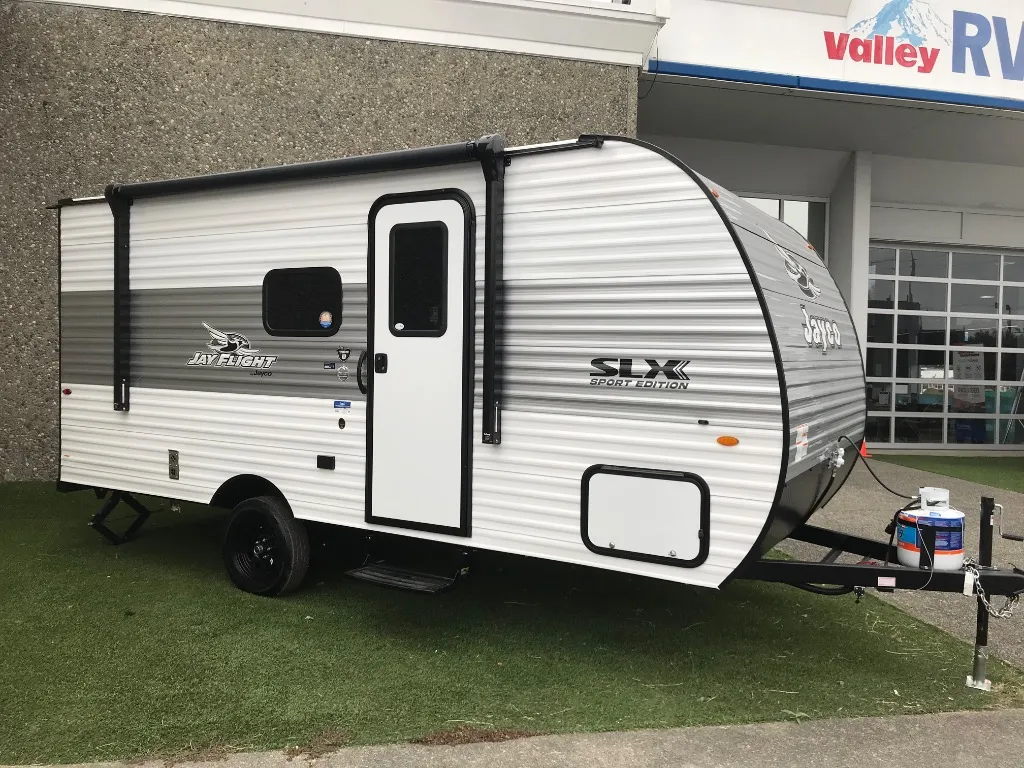
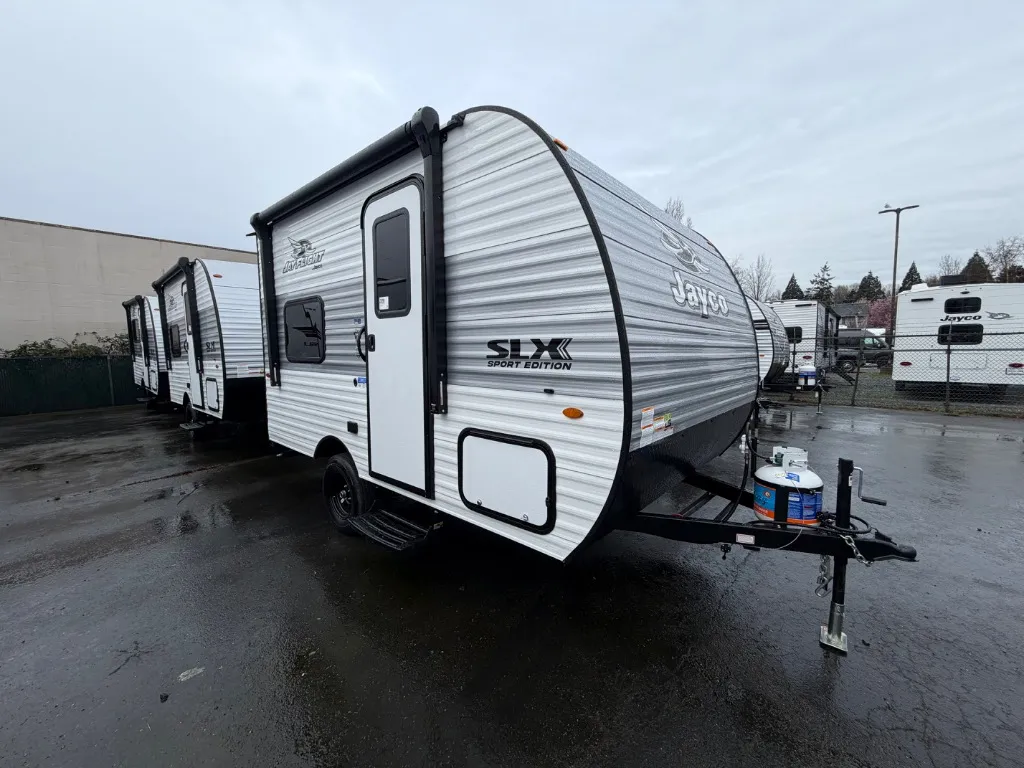
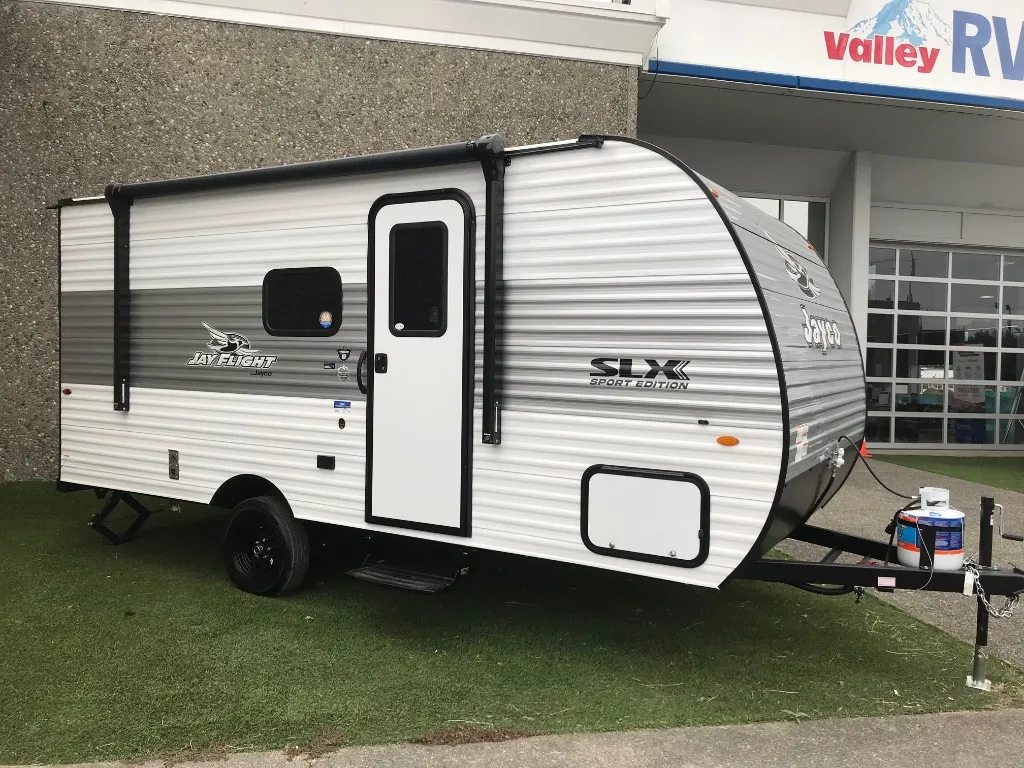
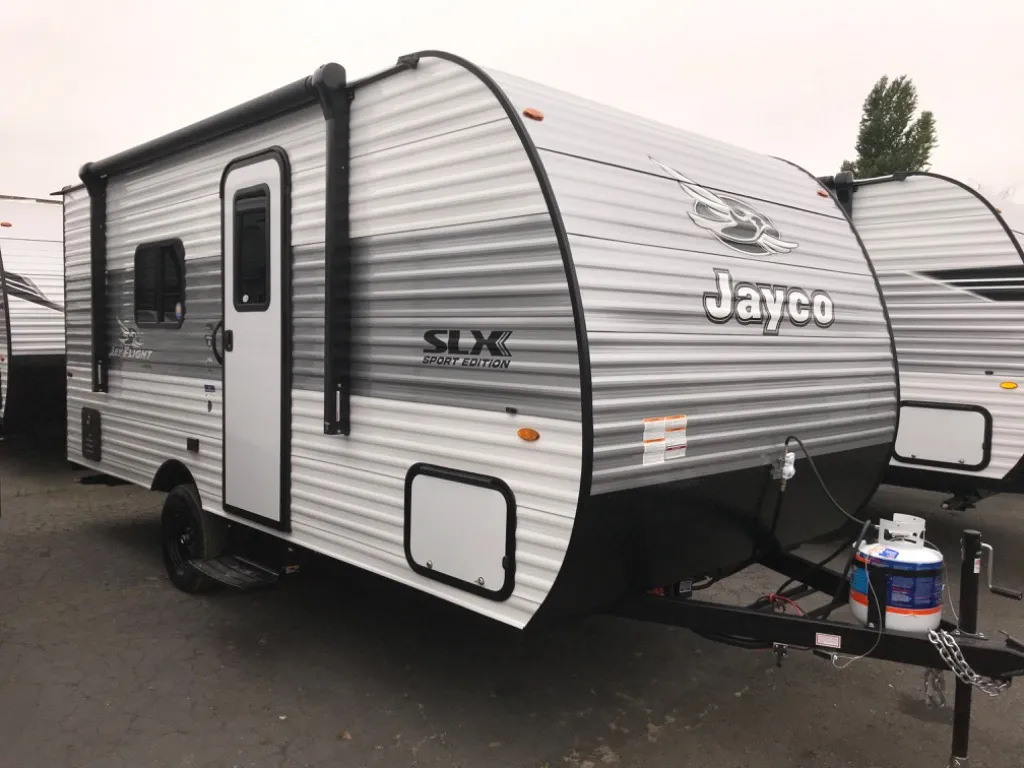
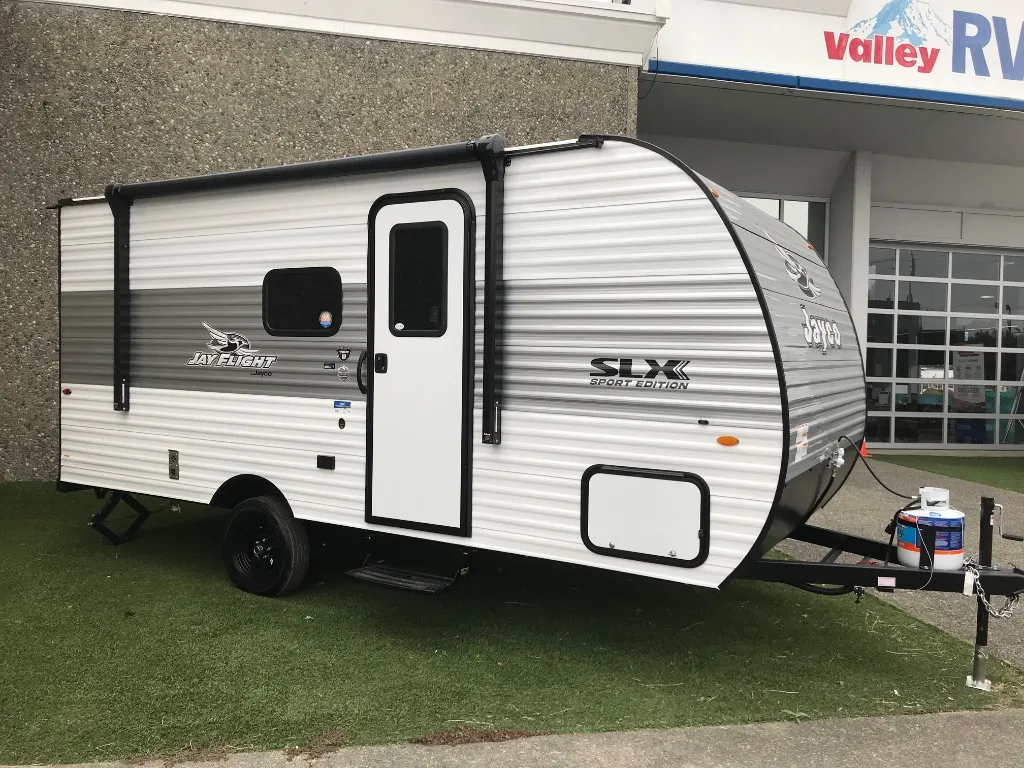
Remember that larger trailers need more capable tow vehicles; some may require heavy-duty diesel power or a fifth-wheel-capable truck. That said, you may need a larger RV or trailer if you plan to take longer camping trips or have a large family. Finally, while you may not pay a ton more for a larger RV, you should expect an upcharge over smaller models.

How Much Money Can You Spend and How Will You Pay?
Once you’ve settled on the type of RV you need, it’s time to set your budget and consider how you want to pay for the vehicle. Consider your other financial obligations, such as car payments, a mortgage, and outstanding balances on existing debts, and ensure you leave yourself sufficient financial breathing room each month. While calculating your budget, it’s a good idea to consider additional expenses that come with buying and owning an RV, such as insurance, fuel, winter storage, and maintenance.
Paying for the RV is another consideration, and there are a few options that each offer pros and cons. Financing, which is paying for the RV with a loan from a bank or other lender, is likely the most common method. You will need to apply for a loan, which involves paperwork and a hard credit check, to determine if you qualify and find out your term and interest rate. If you’re in a strong position financially and can swing a cash payment, paying for the RV outright can save money on interest rates and other financing charges.

How Will You Maintain and Store Your New RV?
Your new RV’s maintenance needs will depend on the type of vehicle you buy. Trailers don’t have mechanical drivetrains, but there are other upkeep needs, including regular plumbing service, electrical maintenance, cleaning, and tire/brake service. Classes of RVs with motors are based on existing vehicle models, such as vans and trucks, and have the same maintenance needs as the base vehicle. The list includes oil changes, tire rotations and replacements, air filter changes, and more.
Storage is a significant concern for people who don’t have space at home or don’t want a huge vehicle to deal with every day. Many self-storage locations offer vehicle and RV storage, and there are a range of dedicated RV storage facilities in locations across the country. Look for a storage spot that offers adequate protection from the elements and doesn’t break your budget.
If you want to learn more about getting started with the RV lifestyle, the knowledgeable staff at Valley RV is here to help. We’d be happy to walk through the ins and outs of planning for an RV purchase, and we’d love to help you schedule a test drive or order the RV of your dreams.