
How To Tow And Launch A Boat With Your RV

Your RV may be tailored for hitting the open road, but what if you want to also hit the open waters as you explore this continent? Is it even possible to tow a boat with your RV? The short answer is yes, you likely can – but there are some important things to know before you do.
First, you need to understand your RV's actual capabilities, which are indicated through several figures labeled on your RV. Your RV will likely indicate a maximum towing or trailering capacity, which indicates just how heavy a trailer your vehicle can pull.
Another important figure: the Gross Combined Weight Rating, which may be labeled as GCWR. This indicates the heaviest your entire rig – consisting of your RV's curb weight, the people and cargo on board, and your loaded trailer - can safely be.
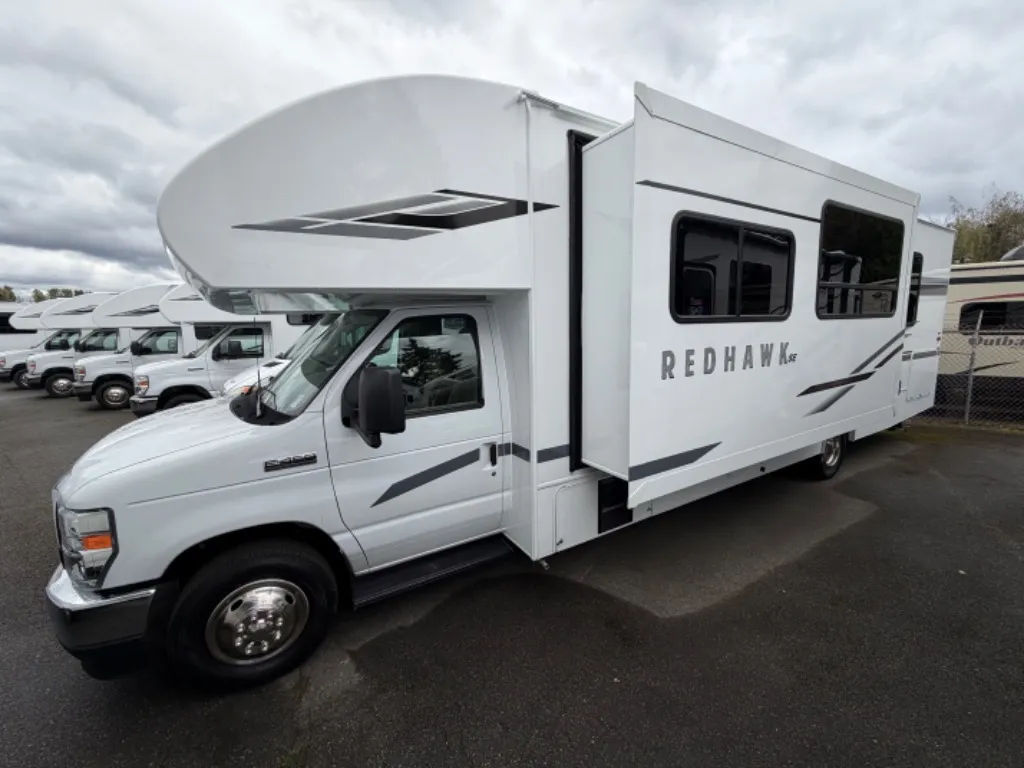
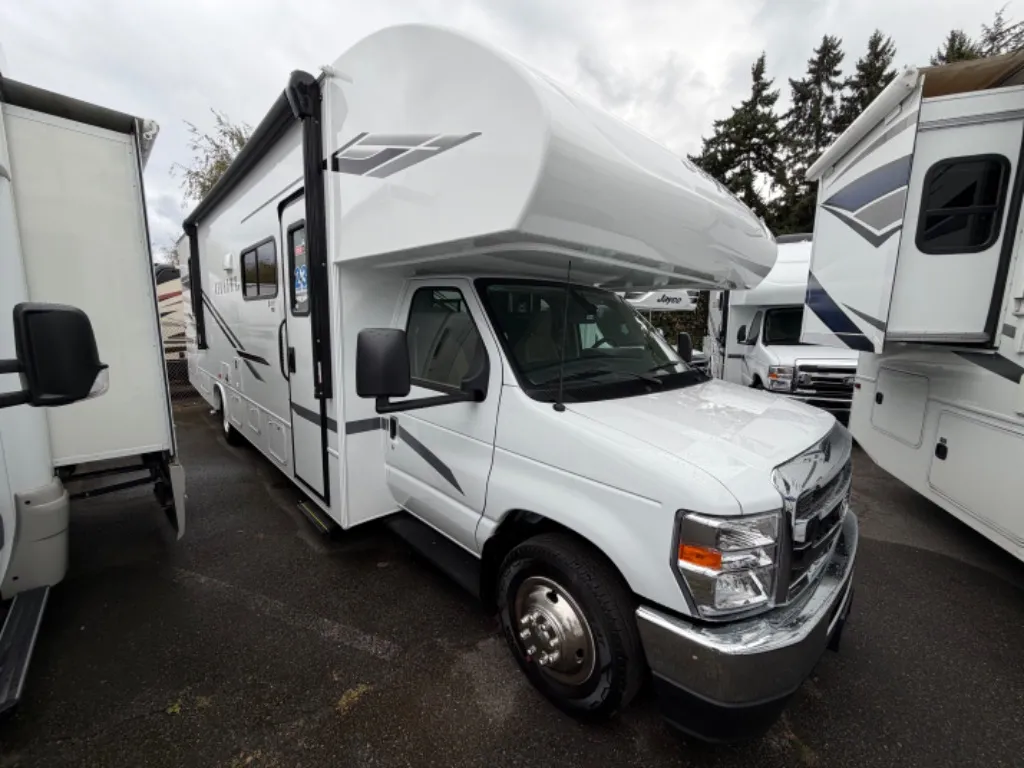
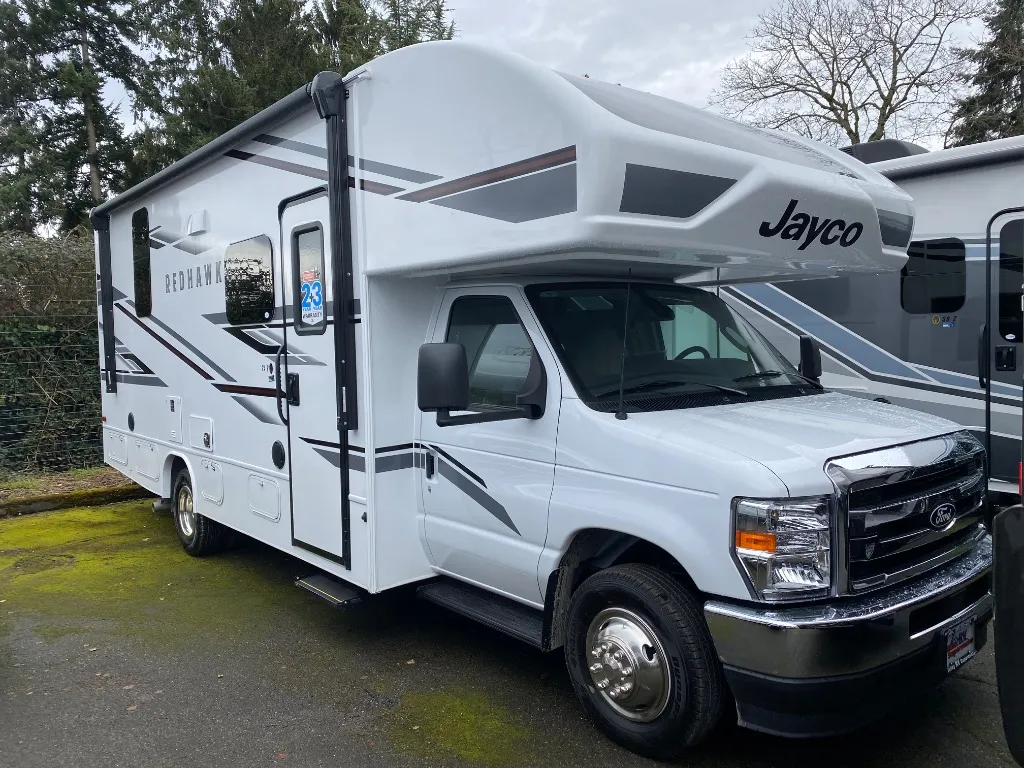
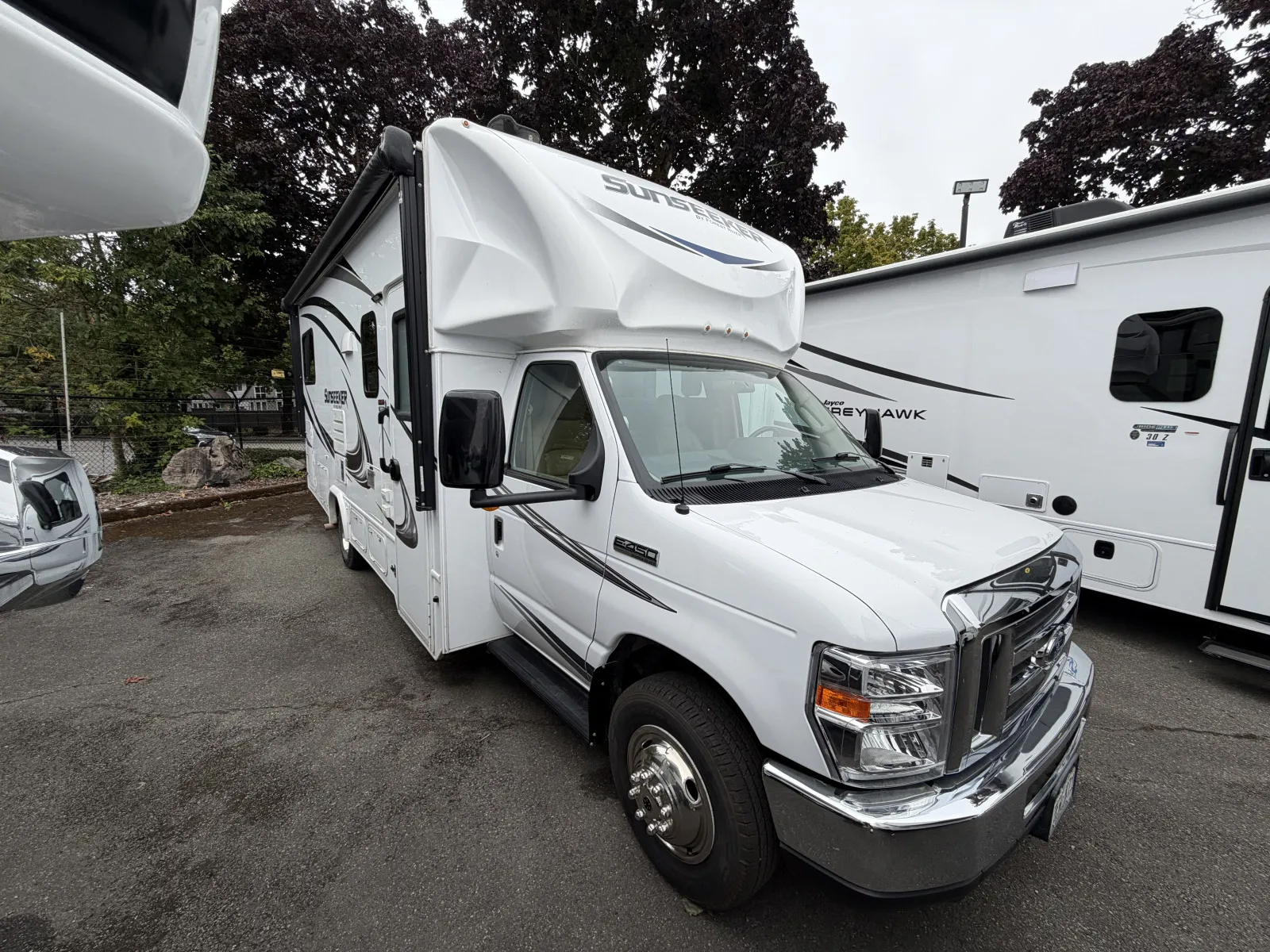
Given the size and stature of your RV, or perhaps because it's based on a stout van, pickup, or commercial truck chassis, there is often an assumption those figures are nearly infinite. Reality suggests otherwise. A typical Class C motorhome has a tow rating ranging between 3,500-5,000 pounds. A "Super C" RV can tow much more, typically in the range of 15,000-20,000 pounds.
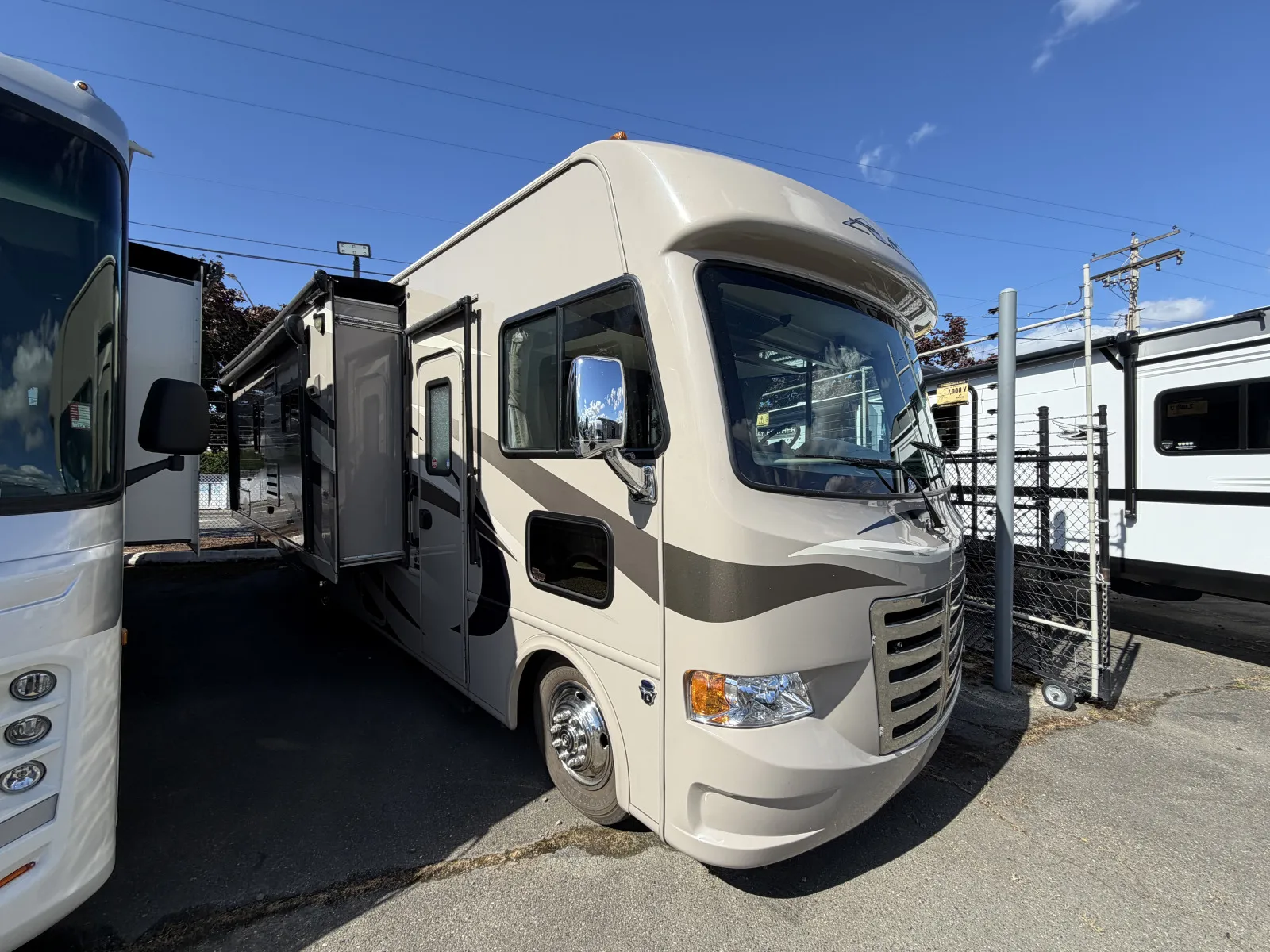
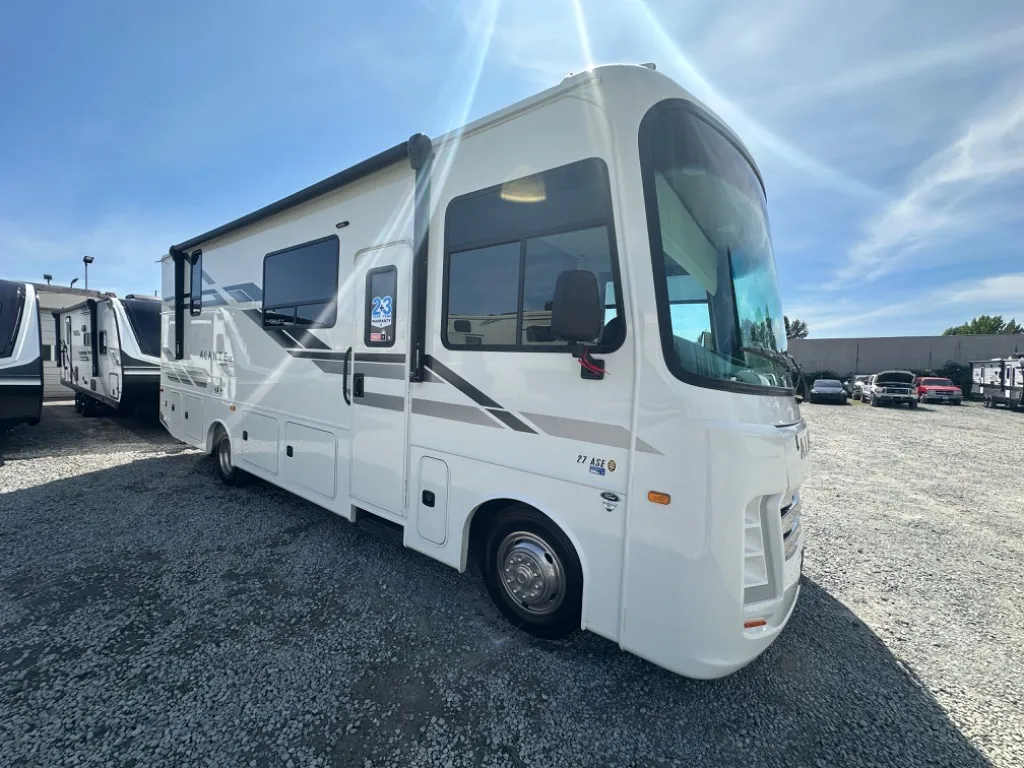
Average tow ratings for Class A motorhomes vary greatly, often in conjunction with the type of engine they used. Class A RVs with gasoline engines can usually tow up to 5,000 pounds, while diesel-powered models may have higher capacities pushing closer to 10,000 or 15,000 pounds.
Once you determine that your boat can be towed by your RV, you have to make sure you can do so safely and securely. One of the challenges of bringing your boat with your RV is visibility. While your vehicle is equipped with large side mirrors, you have the disadvantage of managing the extra length behind you. Some RVs are equipped with rear camera systems, however not every version provides an ample view of both the boat and trailer, especially once in motion.
Additionally, you'll need to amend your driving manners to accommodate the additional length of your vehicle. Tacking on a trailer to your RV may increase your turning radius, meaning you'll need to swing wider when making sharp turns. More importantly, your braking distance will increase tremendously, making it even more important to be scanning the road ahead and driving defensively, even if your trailer has its own braking system.
Before you get to your destination, check with the campsite on any possible parking restrictions with your RV and trailer. Some may allow both vehicles to park as hitched. Others may require you to uncouple the trailer and park it elsewhere before setting up camp for the night.
If you need any assistance in making sure your RV is up for the task, contact our Service Department at Valley RV Supercenter and we can check out your RV, the hitch, and anything you need for a successful trip with your RV and boat.