
RV Furnace, Propane, and Carbon Monoxide Safety for Fall
The short answer is that your factory furnace probably isn't the problem. The things people reach for instead of it are.
Right now, that distinction matters a lot. In September the Kent Valley feels mild, but drive forty-five minutes east on I-90 toward Snoqualmie Pass and nighttime temperatures can already drop into the low 40s. By October the pass sits at 3,022 feet and the weather shifts fast. That first cold snap is when Puget Sound RVers flip on their propane furnace for the first time since spring, and it's also when the wrong habits around supplemental heating turn genuinely dangerous.
We've walked a lot of families through this exact conversation, and here's what you actually need to understand.
Have our service team inspect your furnace, vents, and detector before the season changes
How Does Your RV Furnace Actually Work?
A properly working furnace runs on a sealed combustion chamber that draws air from outside, mixes it with propane, and pushes every byproduct back outside, so under normal operation it keeps carbon monoxide out of your living space, and trouble shows up only when that seal gets disrupted. It's easy to picture flames heating the cabin air, but that isn't what happens.
A standard RV forced-air furnace uses a sealed combustion chamber. The combustion process draws fresh air in from outside through a dedicated intake vent on the exterior sidewall, mixes it with propane, burns it, and then forces all of that exhaust (carbon monoxide, carbon dioxide, water vapor, the works) back out through a separate exhaust vent on the exterior. Interior cabin air never touches the flame. It passes across the outside of the heat exchanger, picks up warmth through solid metal, and returns to the coach through the ducting.
It works on the same principle as a residential sealed-combustion furnace. Under normal, correctly maintained operation, no combustion byproduct enters the living space.
There are two safety switches built into the system specifically to protect that design. A sail switch confirms the blower motor is running at sufficient speed before the gas valve ever opens. If the blower fails, the furnace won't ignite. A high-limit switch shuts the burner off if temperatures in the heat exchanger climb past the safe threshold. These aren't optional features. They're the reason a well-maintained factory furnace rarely causes CO incidents.
The genuine CO risk shows up the moment something disrupts the sealed system, whether that's a blocked exhaust vent, a cracked heat exchanger, or incomplete combustion showing up as black soot in the vent. Those conditions are serviceable and detectable, and we'll get to them.
| Heat Source | Combustion Air Source | Exhaust Goes | CO Risk to Cabin |
|---|---|---|---|
| Factory forced-air furnace | Drawn from outside via sealed chamber | Vented outside | Low when properly maintained |
| Portable catalytic heater (e.g., "Buddy" style) | Draws from inside the cabin | None (byproducts stay inside) | Real, and oxygen-depleting |
| Propane range or oven used for heat | Draws from inside the cabin | None | Real (not designed for heating) |
| Gasoline generator (running too close) | Burns outside | Exhaust near RV openings | Real if exhaust enters through vents or gaps |
| Built-in generator (integral to coach) | Burns outside | Typically routed away | Real if parked against a berm or vegetation blocks exhaust |
Which Risks Are Real for Pacific Northwest Fall Camping?
The furnace itself stays low-risk, so the hazards worth worrying about in Pacific Northwest fall camping come from the workarounds, and the first cold night at a Cascade foothills campsite is exactly when someone reaches for a portable "Buddy" style heater to take the edge off without draining the propane tank. We get it. It feels like a reasonable call. It isn't a safe one.
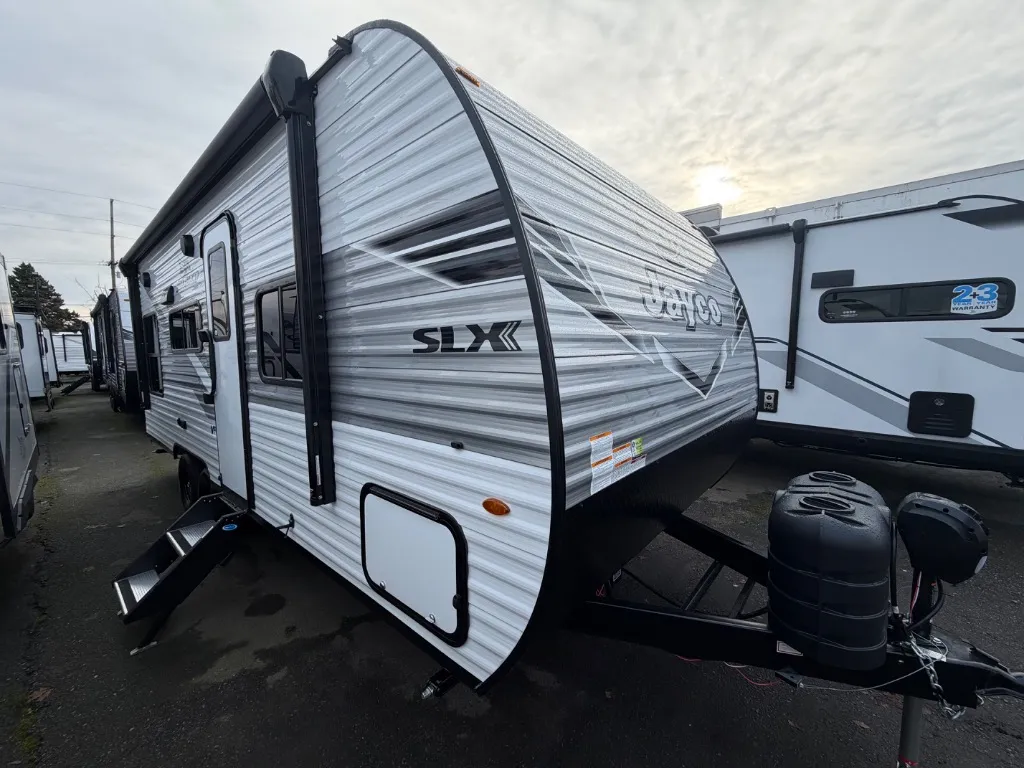
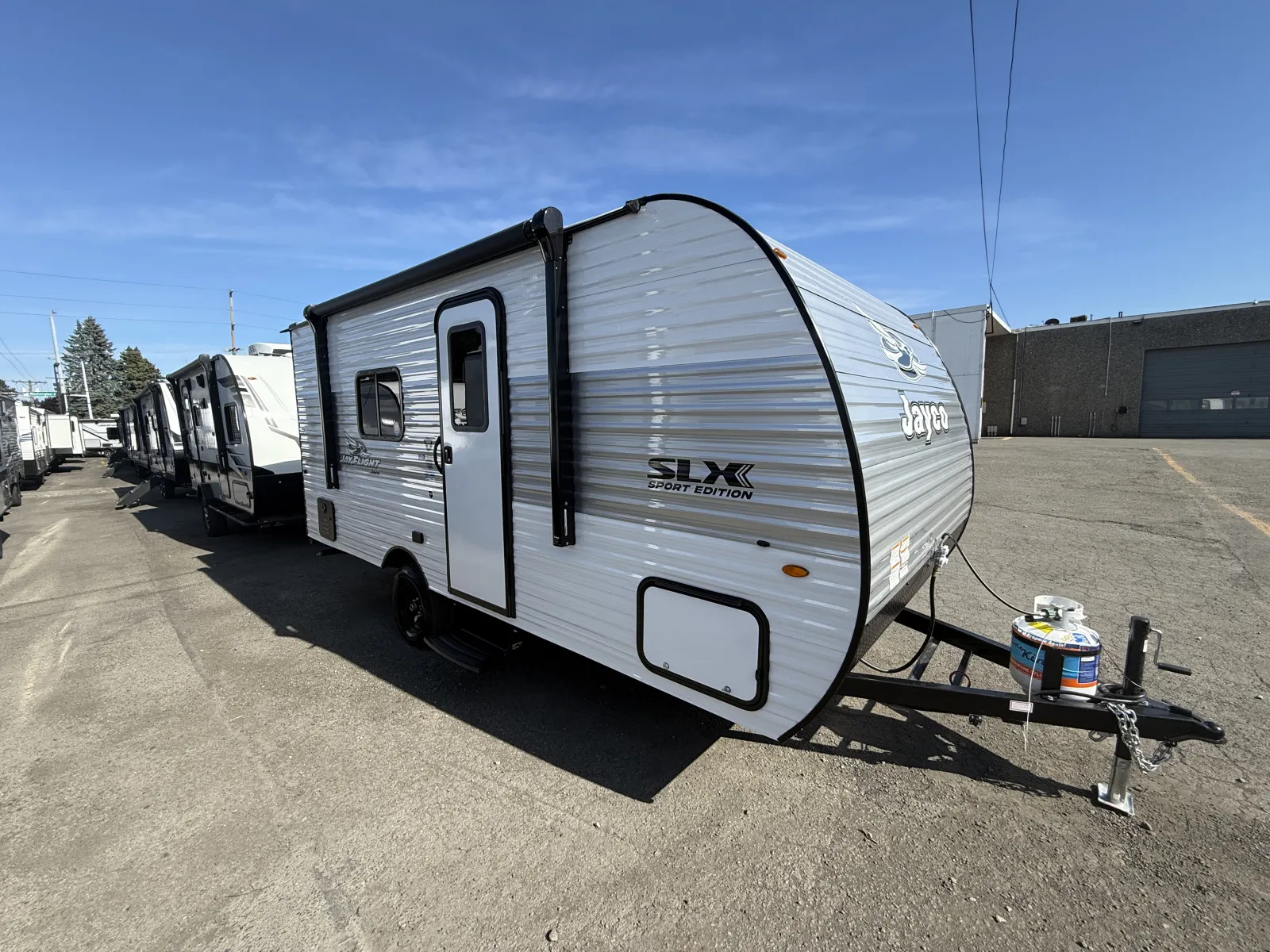
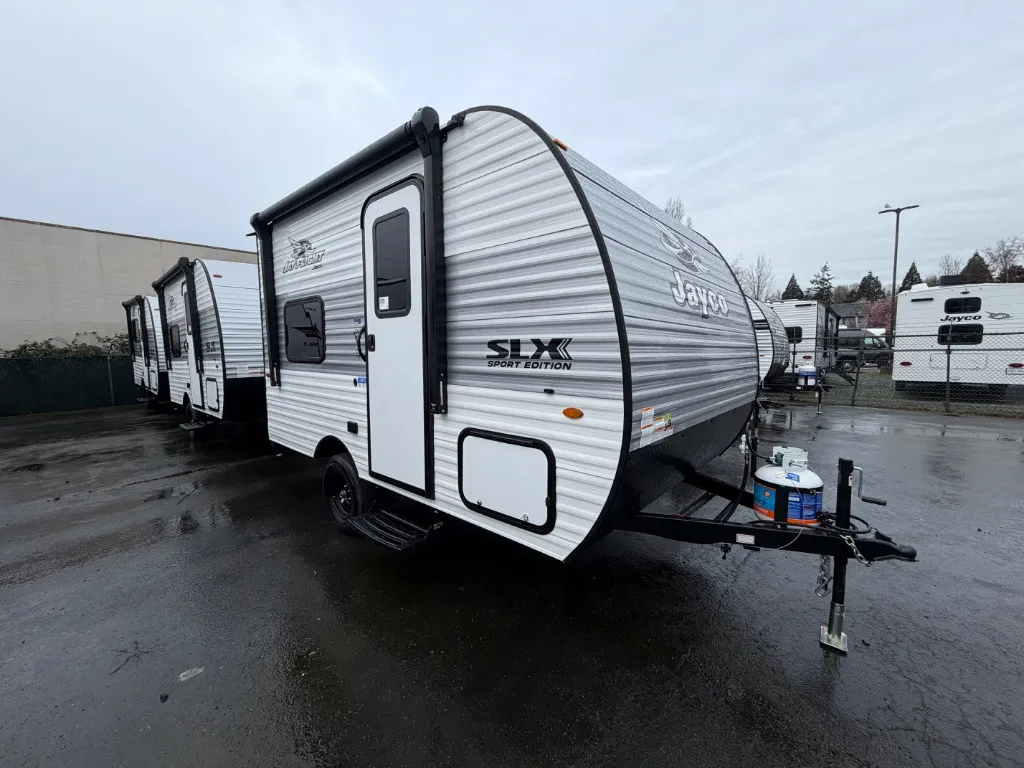
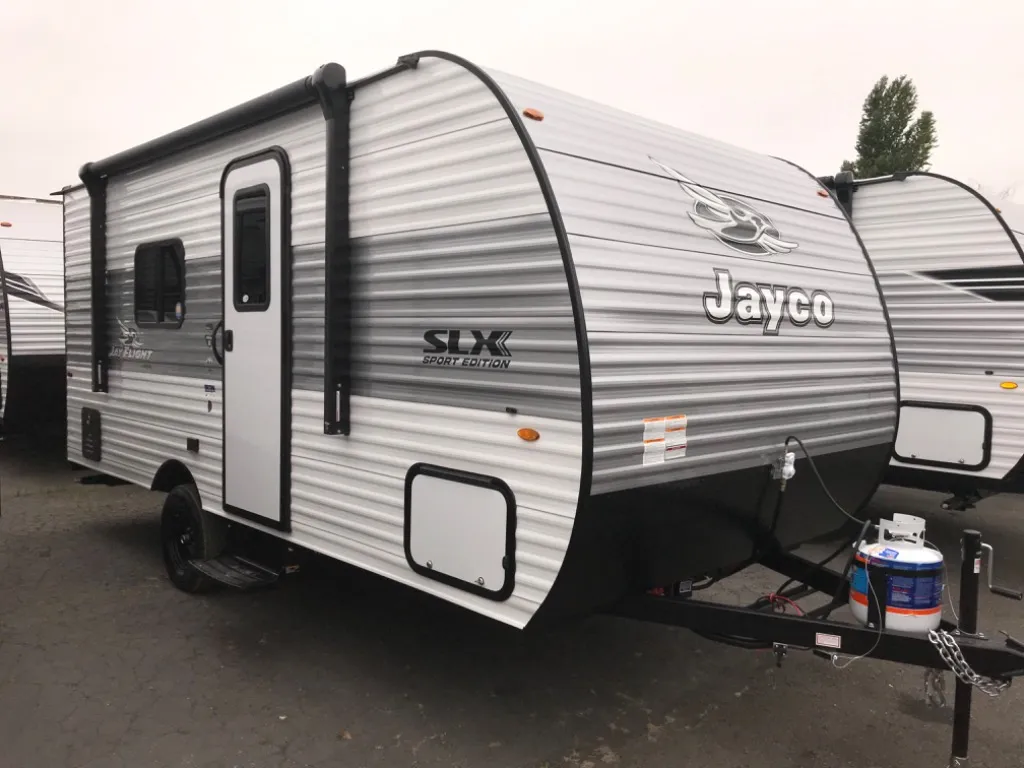
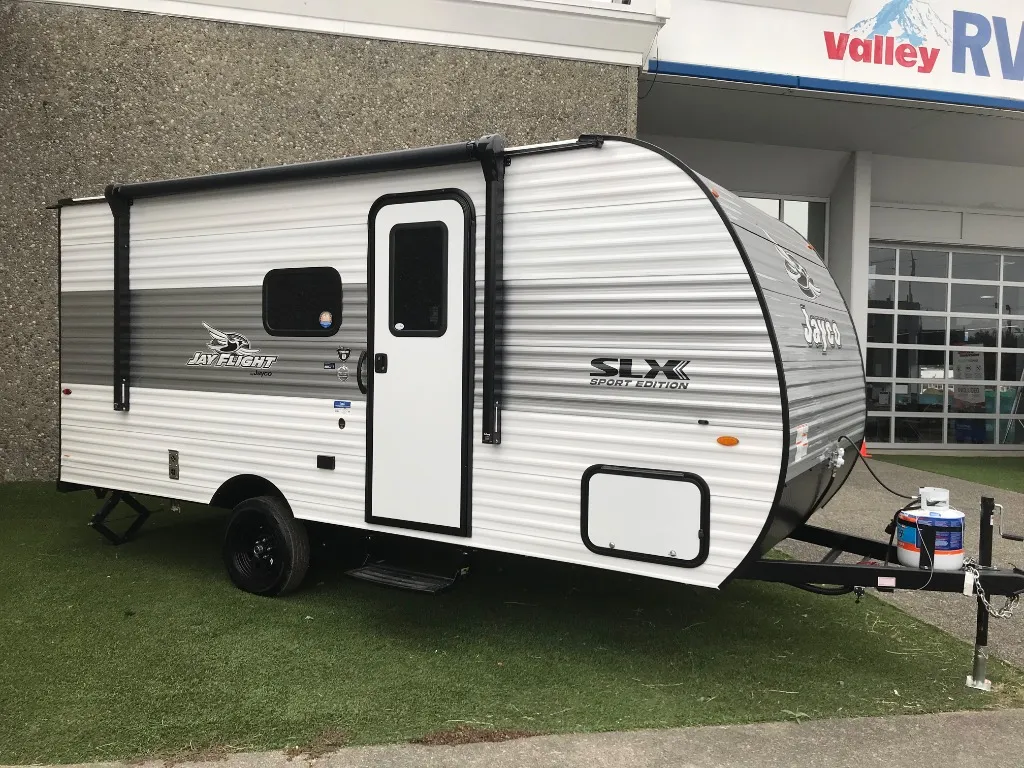
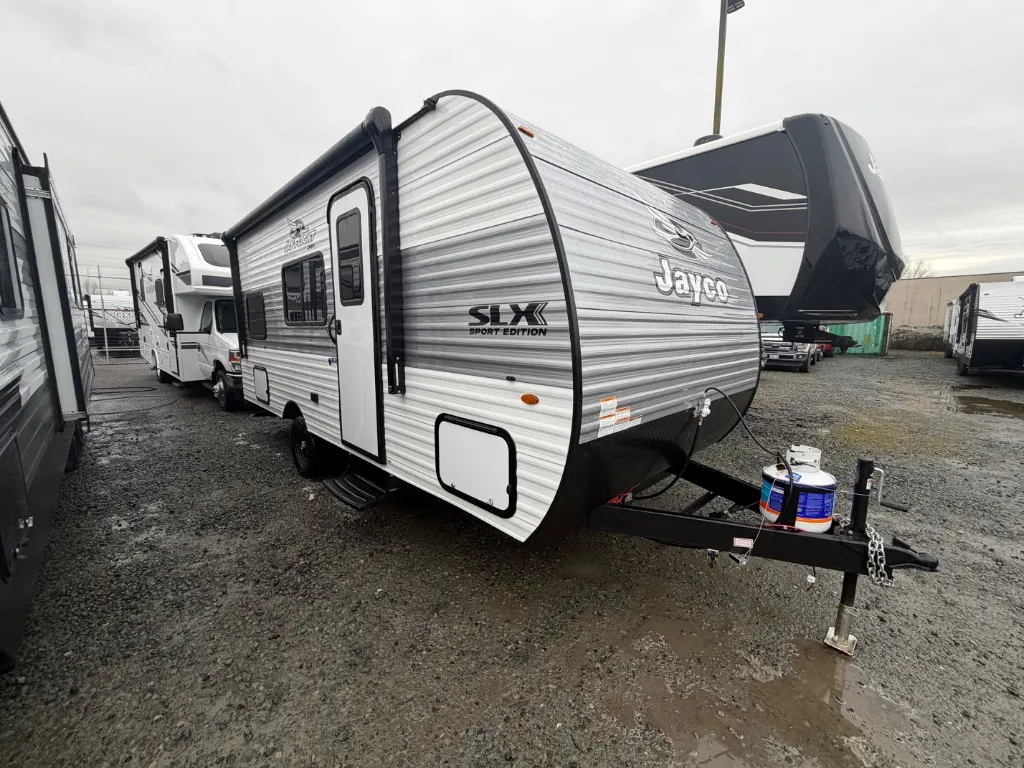
Browse our Jayco lineup with factory heating systems designed for four-season use
A catalytic or open-flame portable heater draws its combustion air directly from inside the cabin. Every BTU it produces consumes oxygen from the space you're sleeping in and, if combustion isn't complete (which happens in cold weather with low oxygen concentration), generates carbon monoxide. The CPSC notes that most non-fire CO deaths from consumer products occur during the four cold months of November through February. The shoulder season (September and October in Washington) is when habits formed over the summer camping season meet conditions that demand better ones.
A few patterns come through our service bays again and again.
- Rigs arrive with bugs or debris packed into furnace exhaust vents after a summer in storage. Mud daubers and spiders are drawn to the residual propane smell. A blocked vent means combustion gases can't escape properly, which leads to incomplete combustion and carbon monoxide.
- The range burner gets used to "take the chill off" in the morning before the furnace cycles. Per manufacturers and the CPSC, a propane range is designed for cooking, not for heating. Using it that way adds CO and significant moisture to a closed space.
- The generator gets parked downwind of the rig's windows and roof vents on a still night. Generator exhaust will follow the path of least resistance into your living space through any opening.
Try one simple test before your first fall trip. Run your furnace at home or in a well-ventilated campsite for a full cycle. Step outside and look at the exhaust vent while it's running. You should see warm air discharge; you should not see black soot around the vent opening. Black soot is the visible sign of incomplete combustion, and per RV service guidance, that furnace should not be operated again until a technician has inspected it.
Schedule a pre-season furnace and propane system inspection at our Kent service center
RV Safety Terms Worth Knowing
| Term | What It Actually Means |
|---|---|
| Sealed combustion chamber | The furnace burns propane in an airtight assembly; cabin air never contacts the flame or exhaust |
| Sail switch | Safety switch that prevents ignition unless the blower motor is moving enough air to exhaust combustion gases |
| UL 2034 | The Underwriters Laboratories standard for residential-type CO alarms; RV-specific detectors meet this plus additional vibration and temperature standards |
| LP (liquefied propane) detector | Senses propane accumulation near the floor; separate function from CO detection, often combined in one unit |
| Heat exchanger | The solid-metal barrier separating combustion gases from cabin air; a crack here is the most serious furnace failure mode |
What This Means Before Your Next Fall Trip
Before your next fall trip, the two detectors in your rig handle two different jobs, so knowing which is which changes how you check them, because a propane (LP) detector and a CO detector sense different hazards and sit at different heights. Your RV carries a propane (LP) detector and a CO detector. They may be a single combination unit on the wall, or separate devices. Propane is denser than air, so the LP sensor sits low (typically within 12 to 18 inches of the floor) to catch accumulation near the ground. Carbon monoxide is nearly the same density as air and distributes more evenly, so CO sensors are generally mounted at breathing height.
One detail worth flagging is that those sensors have a finite lifespan. Most combination CO/LP units carry a manufacturer-rated service life of five to seven years. The sensor degrades over time even if the unit appears to be working, and some units mark a "born-on" date (not just a battery installation date) directly on the device. A unit that looks fine and chirps when you test it may no longer be detecting at rated sensitivity if it's past its service life.
Pull the unit off the wall and check the label before this fall season. If there's no date, or the date is more than five years back, replace it. Replacing it is one of the genuinely inexpensive moves that protects everything else.
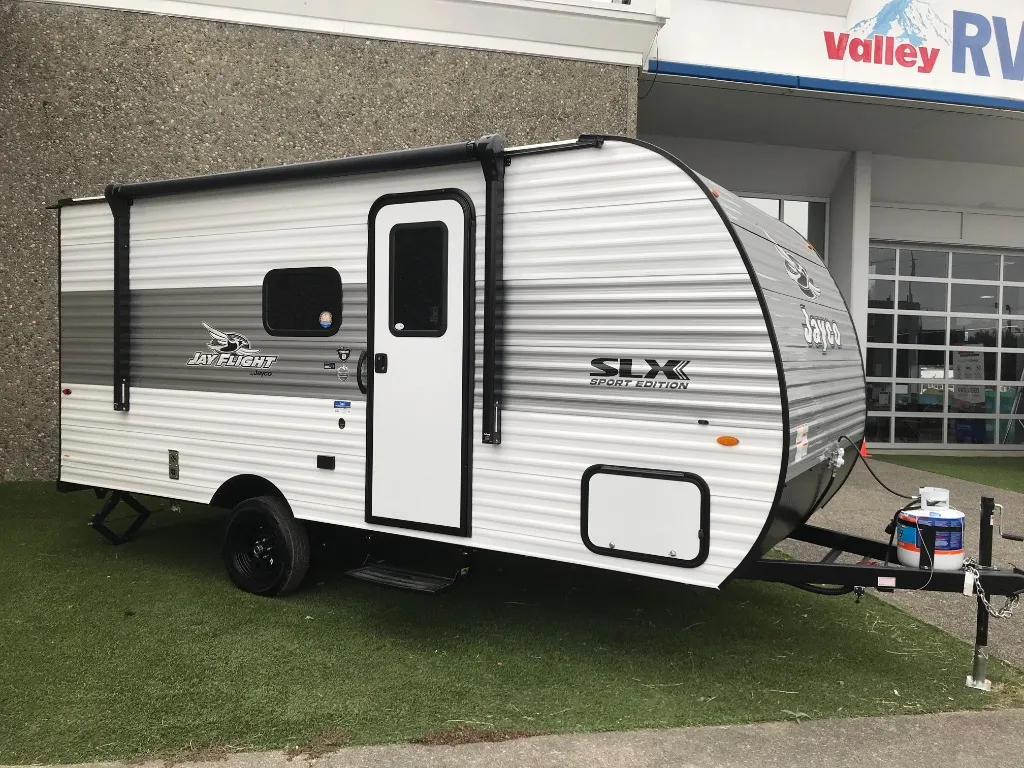
Our Jay-Flight lineup includes factory-installed safety systems and modern dual-sensor detectors
The pre-fall checklist our service team recommends:
- Run the furnace through a full heat cycle. Listen for the blower to start, then ignition. If it lights and holds, good. If it fires then shuts down repeatedly, have a technician diagnose the sail switch or igniter before you leave.
- Inspect the exterior furnace vent. Clear any debris, spider webs, or nest material. The vent mesh should be clean and open.
- Check for black soot at the exhaust vent. Any black residue means the furnace isn't combusting completely. Don't operate it until it's inspected.
- Verify detector service life. Check the born-on date on your CO/LP combination unit. Replace it if it's outside the manufacturer's window.
- Test the detector. Most RV combination units have a test button, so use it. A valid alarm response confirms the circuit works, but it doesn't guarantee sensor accuracy in a degraded unit (hence step 4).
- Leave portable heaters at home. If you want supplemental heat, a small electric space heater on shore power is a far cleaner choice than an open-flame or catalytic unit drawing from cabin air.
- Check propane supply lines and connections. Inspect hoses for cracks, fraying, or wear before the season. Any connection that smells like propane with the tank valve open warrants immediate service.
If any of these steps turns up a problem, that isn't a trip-wrecker. It's the checklist doing its job.
Frequently Asked Questions
Can my RV furnace produce carbon monoxide inside the coach?
A correctly functioning factory forced-air furnace is designed so that combustion byproducts, including carbon monoxide, are exhausted outside through a sealed combustion chamber. They should not enter the cabin. The risk arises from a damaged or blocked exhaust vent, a cracked heat exchanger, or incomplete combustion caused by restricted airflow. Black soot at the exhaust vent is the visible sign that something has gone wrong and service is needed.
Are propane detectors and CO detectors the same thing?
No. They detect completely different hazards. A propane (LP) detector senses raw propane accumulation, which matters because propane leaks are both a fire and explosion risk. It's mounted low because propane is heavier than air and pools near the floor. A CO detector senses carbon monoxide gas, which is a combustion byproduct and toxin. CO is close to air's density, so it distributes throughout the space. Many RVs use a combination unit that handles both, but the two sensors function independently and both must be within their service life to be relied on.