
What to Know about Diesel Exhaust Fluid
RV enthusiasts are no strangers to diesel power. The high torque of diesel engines, combined with better fuel efficiency than similarly powered gasoline engines, leads to many Class A and Class C motorhomes utilizing diesel. Diesel trucks and full-size SUVs are also very popular for towing for these reasons. Diesel engines have different maintenance needs, and since 2010, they also require diesel exhaust fluid (DEF). This Valley RV Supercenter blog post explains what DEF is and why it’s important.
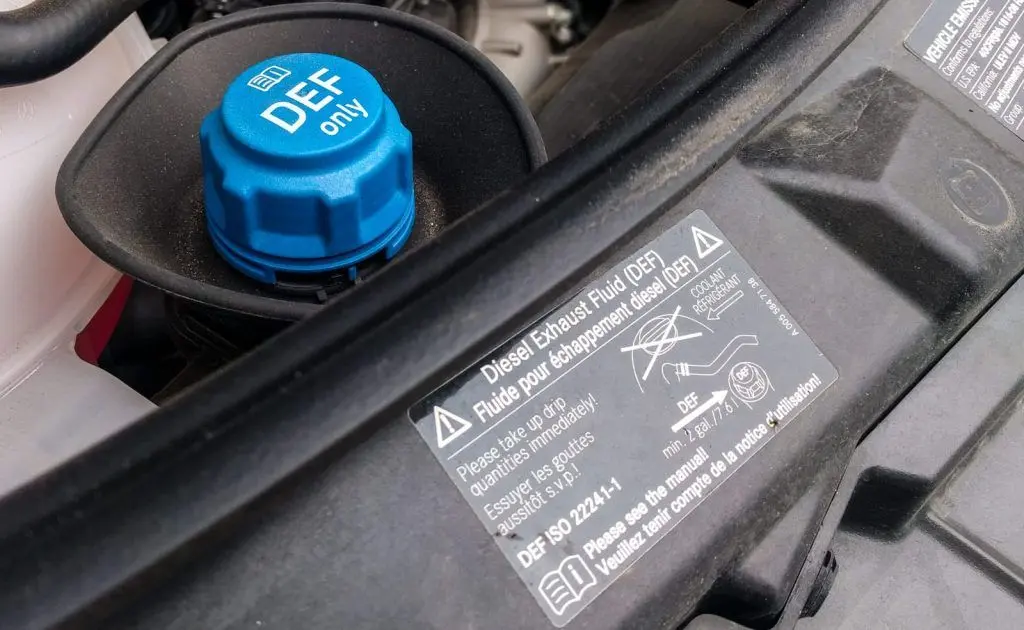
Both diesel and gas-powered engines use catalytic converters to help reduce exhaust emissions. DEF is an additional step in the process, and its purpose is to reduce harmful nitrogen oxide (NOx) emissions. When everything is working properly, DEF injected into the exhaust stream can reduce NOx by up to 95%. DEF is never added to the diesel fuel but is kept in a separate tank identifiable by a blue cap.
DEF is a clear liquid that consists of 67.5% deionized water and 32.5% high-purity synthesized urea.
The two primary emissions from diesel fuel after combustion are NOx and particulate matter, primarily soot, which causes the black smoke visible in untreated diesel exhaust. A diesel particulate filter has been part of all diesel engines’ exhaust systems since 2008 to trap particulate matter. When urea is injected into the exhaust stream, heat converts it into ammonia, which then breaks down nitrogen oxides into harmless nitrogen and oxygen. The process is different but somewhat similar to how electricity is used to split water into its constituent elements, hydrogen and oxygen. The DEF system includes a tank for the fluid, a heater to prevent freezing in cold weather, a pump, and lines that deliver DEF into the exhaust system through a precisely calibrated injector nozzle controlled by the engine control module.
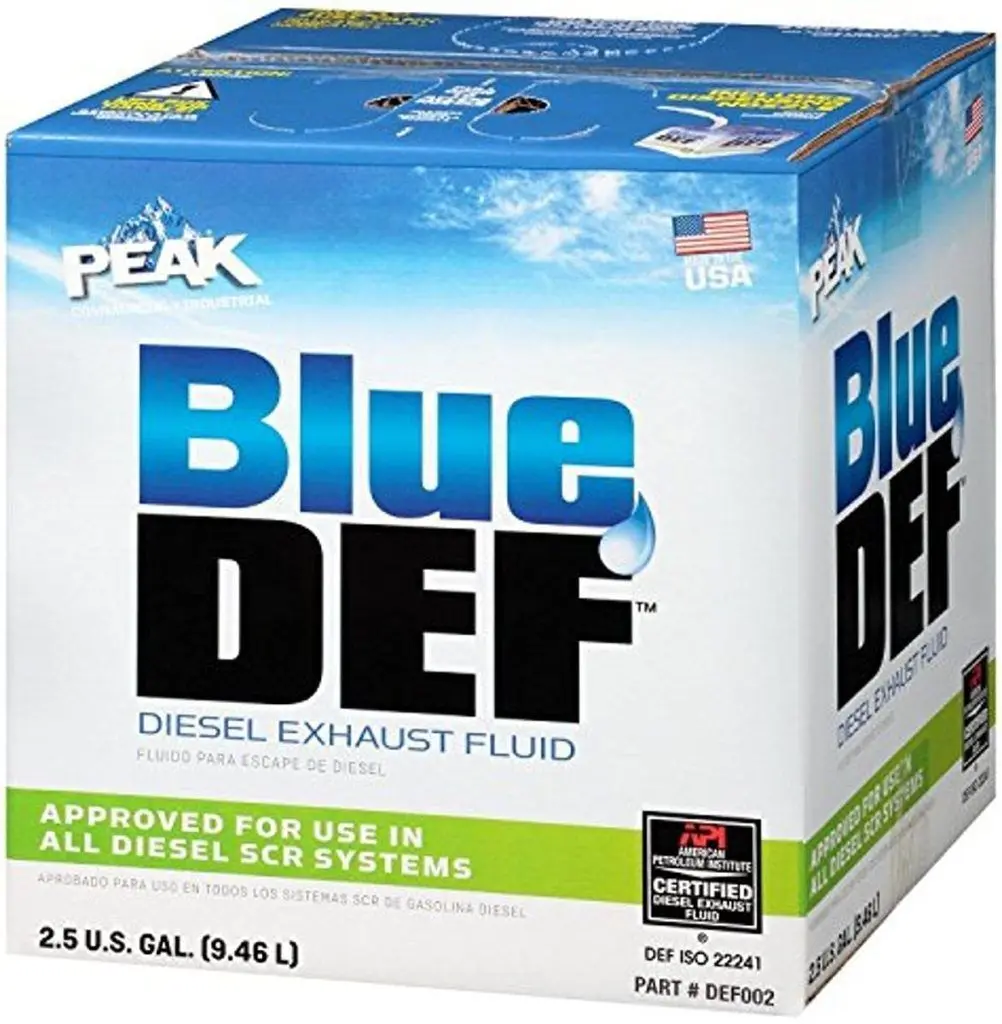
DEF is relatively inexpensive, costing about $15 for a 2.5-gallon container (usually a box with a plastic liner) and is easily found at gas stations that sell diesel, auto parts stores, big-box home improvement stores, truck stops, and, of course, the Valley RV SuperCenter. It lasts a while, since you usually use only 1% to 3% DEF compared to diesel fuel usage

Most diesel trucks have a DEF gauge, allowing you to monitor its level, and a warning light is also displayed when the fluid is running low. Since it is part of an emissions system, it might be tempting to let the DEF run out, but your vehicle’s electronic control system is designed to prevent that. It will gradually reduce your maximum speed, starting at around 50 MPH and steadily decreasing until continued use becomes impractical. Therefore, it’s wise to keep an extra container of DEF on hand for long trips through sparsely populated areas. Beginning in 2027, diesel-powered vehicles will lose power more gradually after DEF is depleted, but this still results in inefficient operation and should be avoided.

In the end, DEF is simply another fluid necessary to keep your vehicle operating correctly, like motor oil, coolant, and even washer fluid. The Valley RV Supercenter service center will be happy to answer any additional DEF questions you may have.