
What Young Children Really Get Out of Camping
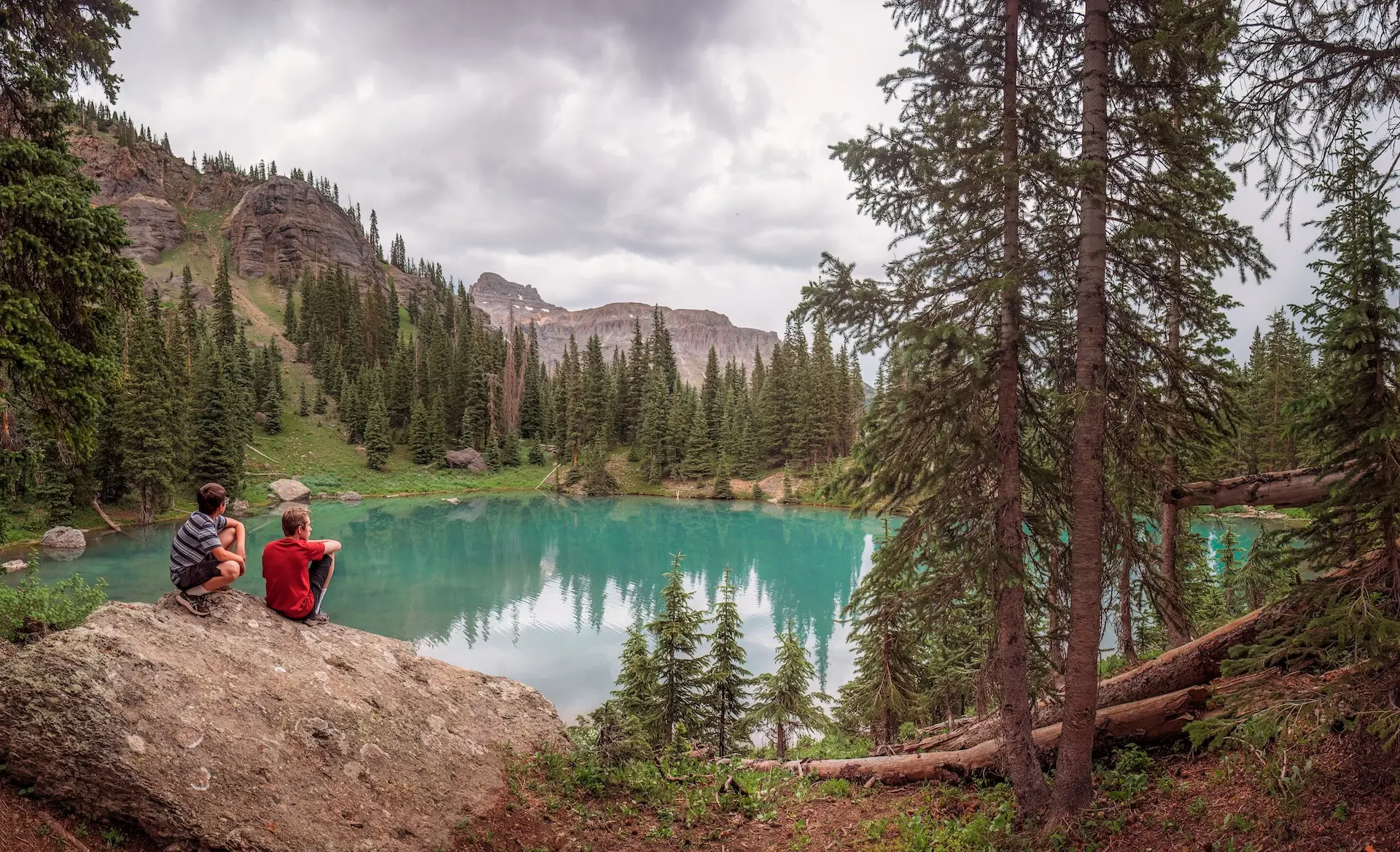
When adults think about camping with young children, they often picture the work first.
The packing. The snacks. The dirt. The extra clothes. The bedtime routine that somehow gets harder, not easier. Creating those cherished family memories is no joke!
But kids usually experience camping differently. They are not measuring the trip by how convenient it was, nor are they comparing it to a hotel. They are not worried about whether the marshmallows got crushed in the bag. What young children really get out of camping is simple and pure: more time outside, more freedom to play, more chances to notice the world, and more connection with the people they love.
They Get a Break from Screens and a Slower Pace
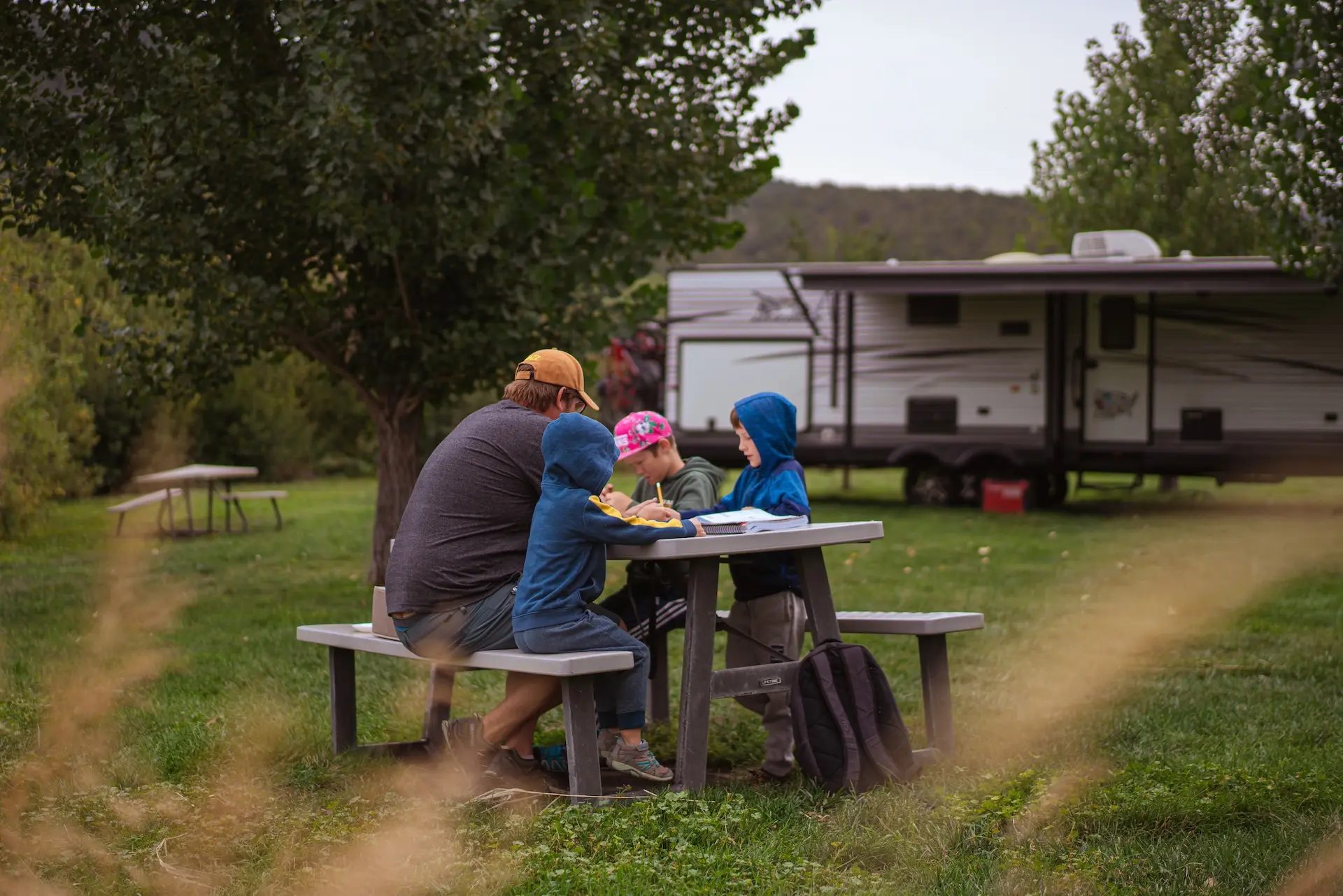
One of the biggest things young children get from camping is a different kind of focus. At camp, there is less competition from televisions, tablets, background noise, and busy schedules. Instead of scrolling or rushing from one thing to the next, kids get longer stretches of time to look at bugs, throw rocks in the water, help stir pancake batter, or ask a dozen questions about trees, smoke, stars, or squirrels. That slower pace is part of what makes camping feel so different for families. It creates room for curiosity, conversation, and shared attention in a way that everyday life often does not.
They Get to Play the Way Children Naturally Want to Play
Camping gives young kids something modern life does not always offer enough of: open-ended outdoor play. Sticks become tools. Dirt becomes a construction site. A trail becomes an adventure. A puddle becomes the most exciting thing they have seen all day. Young children do not need much to turn the outdoors into a whole world of imagination, and camping gives them space to do exactly that.
They Get Real-World Learning Without Calling It Learning
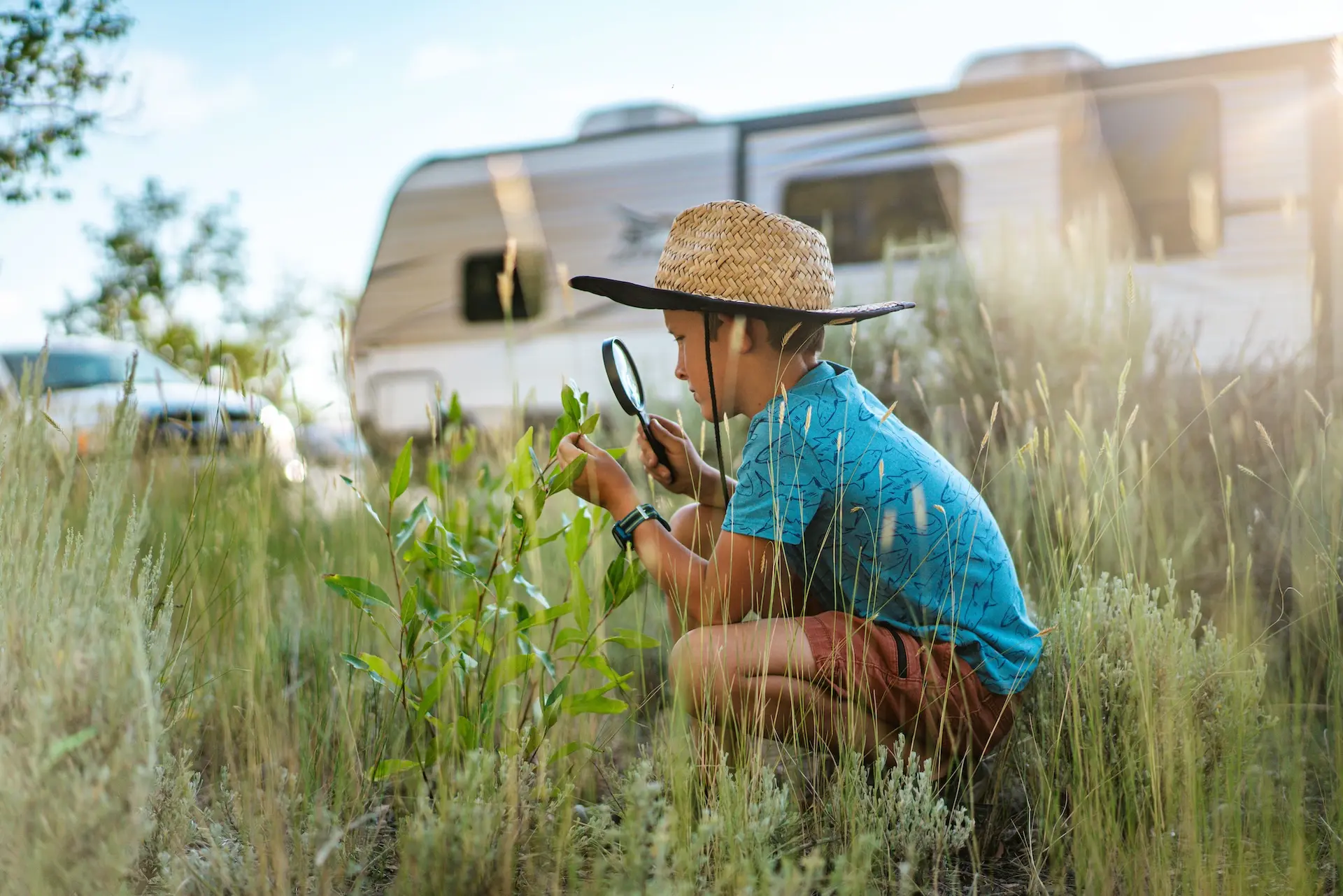
Young children learn best when they can see, touch, carry, notice, and try. Camping naturally gives them chances to observe weather, hear bird sounds, notice what stays dry and what does not, watch adults build routines, and help with simple jobs around camp. Even small responsibilities—carrying kindling, putting shoes by the door, handing out napkins, helping clean up after dinner—can help children feel capable and included.
They Get More Connection to Nature
For young children, nature is not an abstract idea. It is immediate. It is the feeling of cold grass in the morning, the smell of campfire smoke, the sound of rain on the roof, and the excitement of spotting something small that adults might miss. Camping gives kids repeated chances to be outside long enough to notice things, and that kind of connection tends to stick.
They Get More Connection to You, Too
This may be the part parents feel most strongly about. Camping often gives families something that is hard to create at home: shared attention. You eat together, walk together, solve small problems together, and end the day in the same place, talking about what you saw and did. The trip may not always feel easy in the moment, but it often becomes the kind of family time people remember for years.
Why It Can Be Worth It
Camping with young children is not always the most relaxing trip you will take—but it may be one of the most meaningful. Kids get room to play, explore, observe, help, and connect. Parents get a chance to step out of everyday routines and into something slower, messier, and often more memorable.
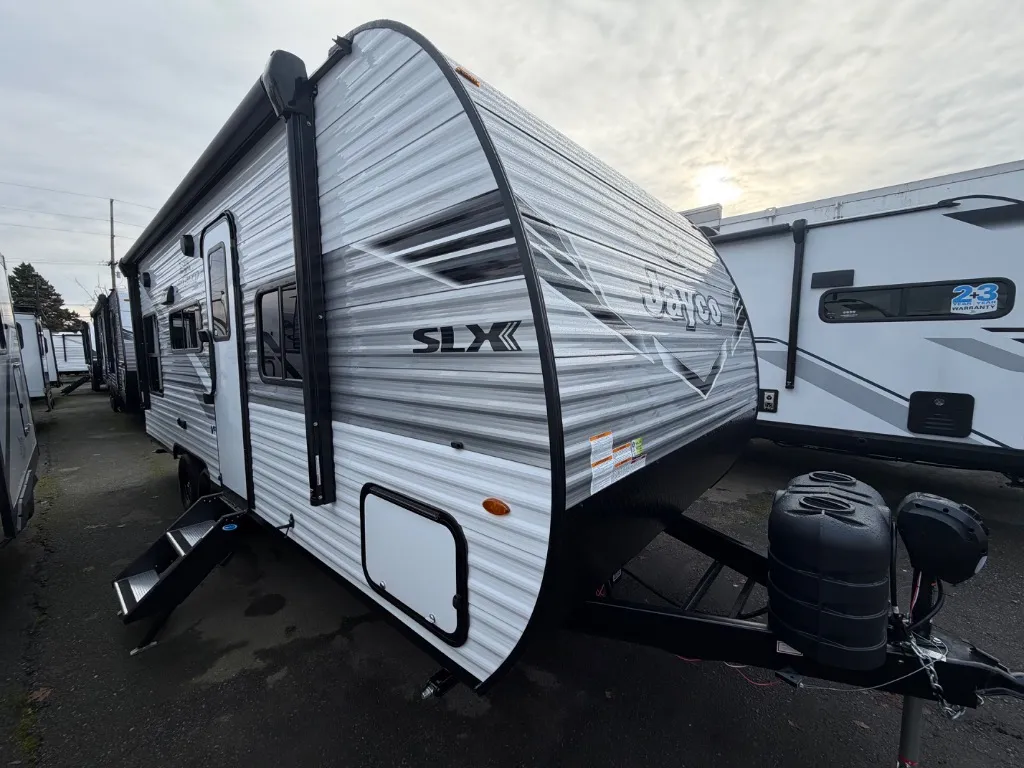
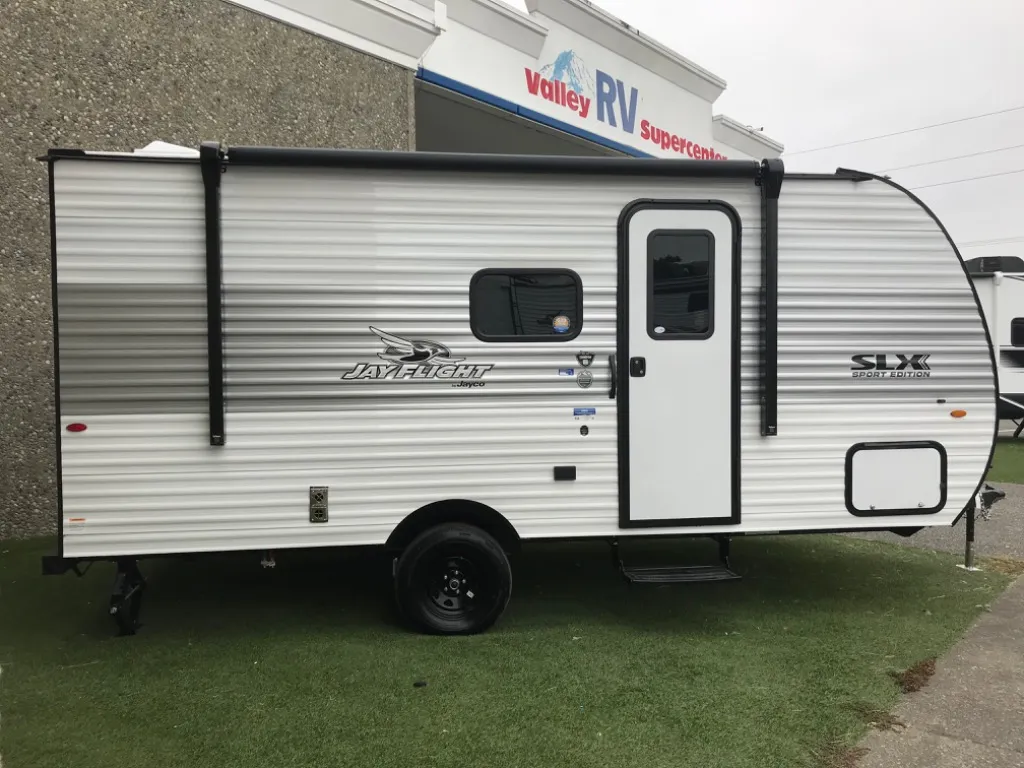
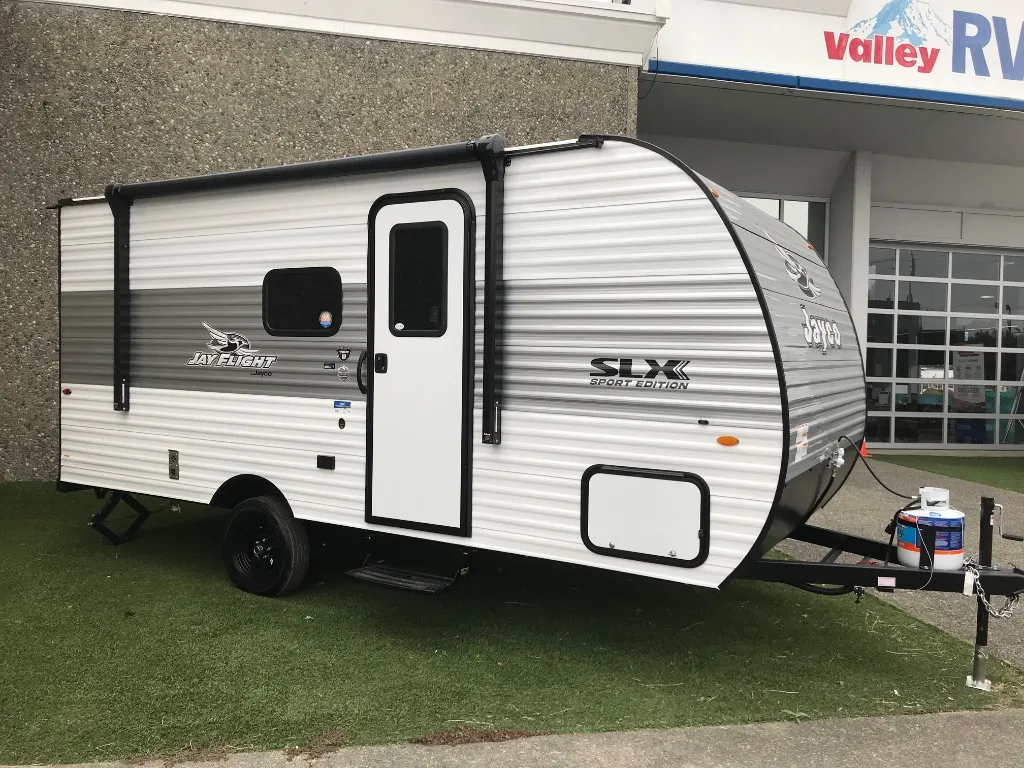
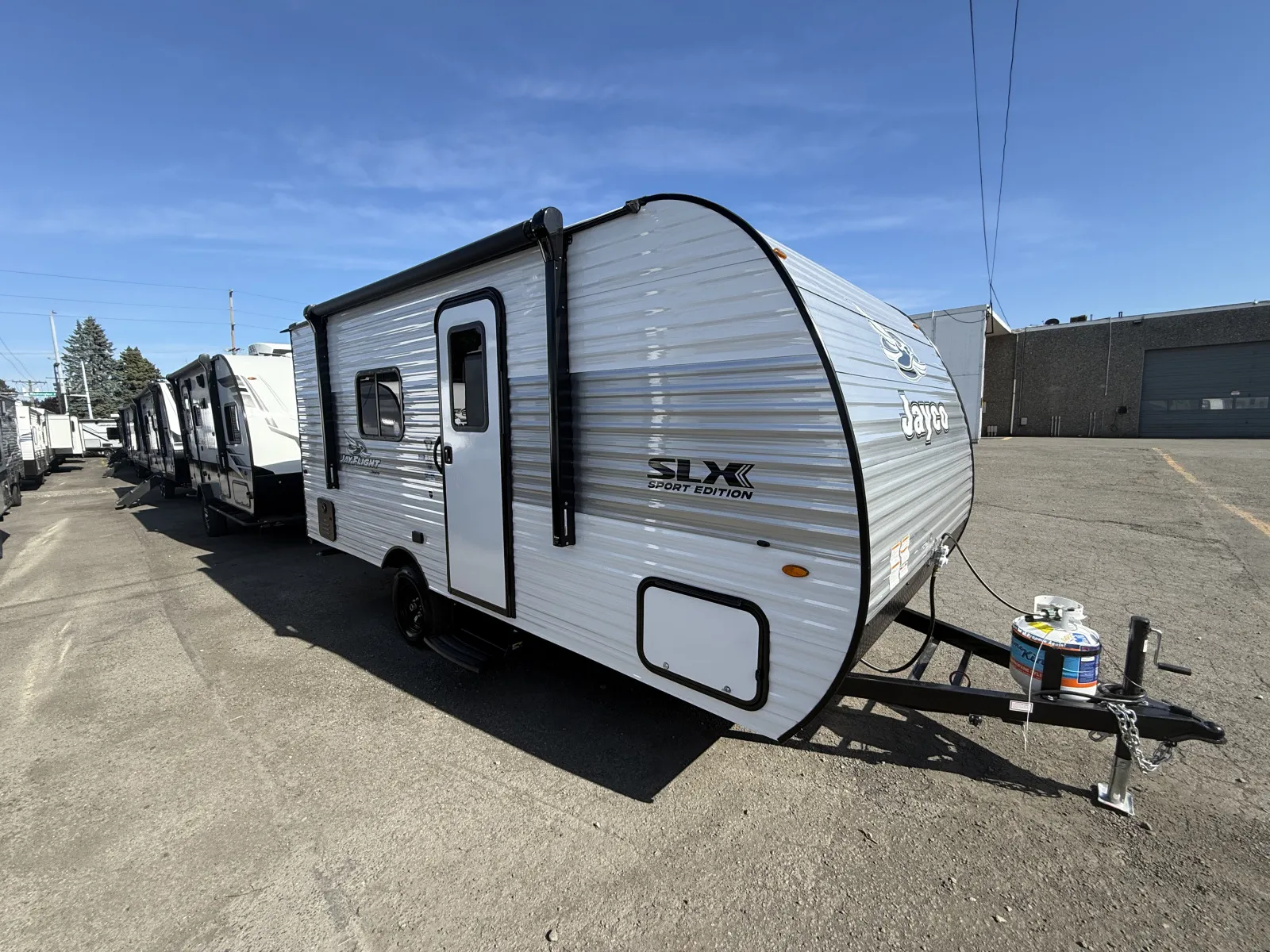
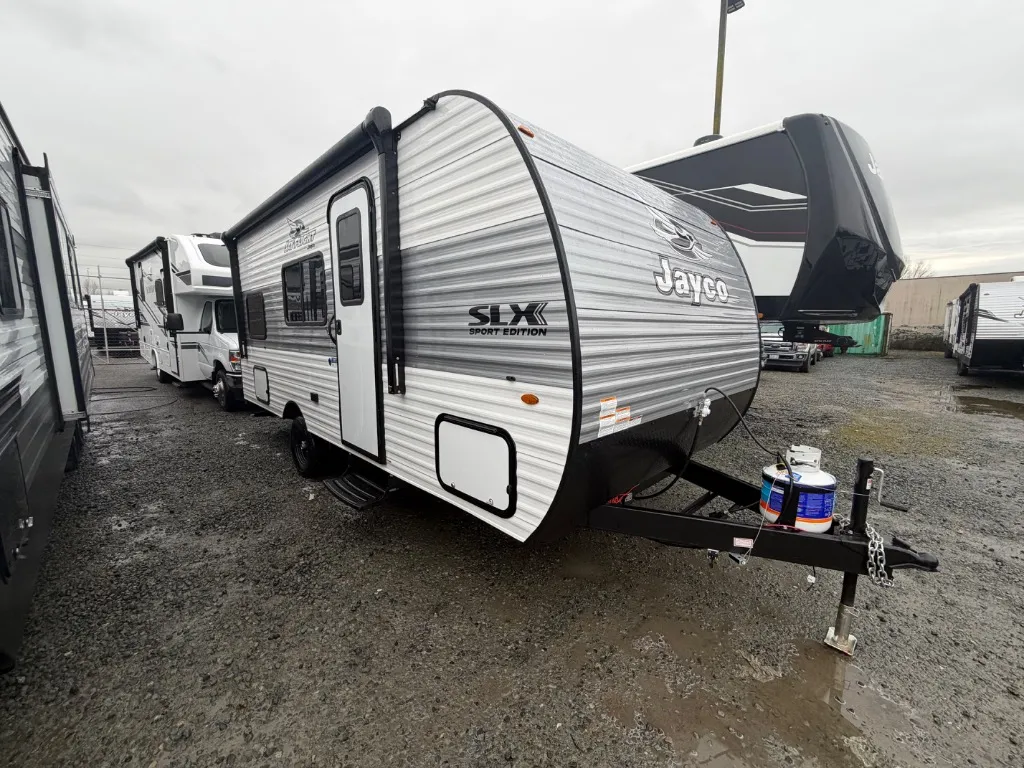
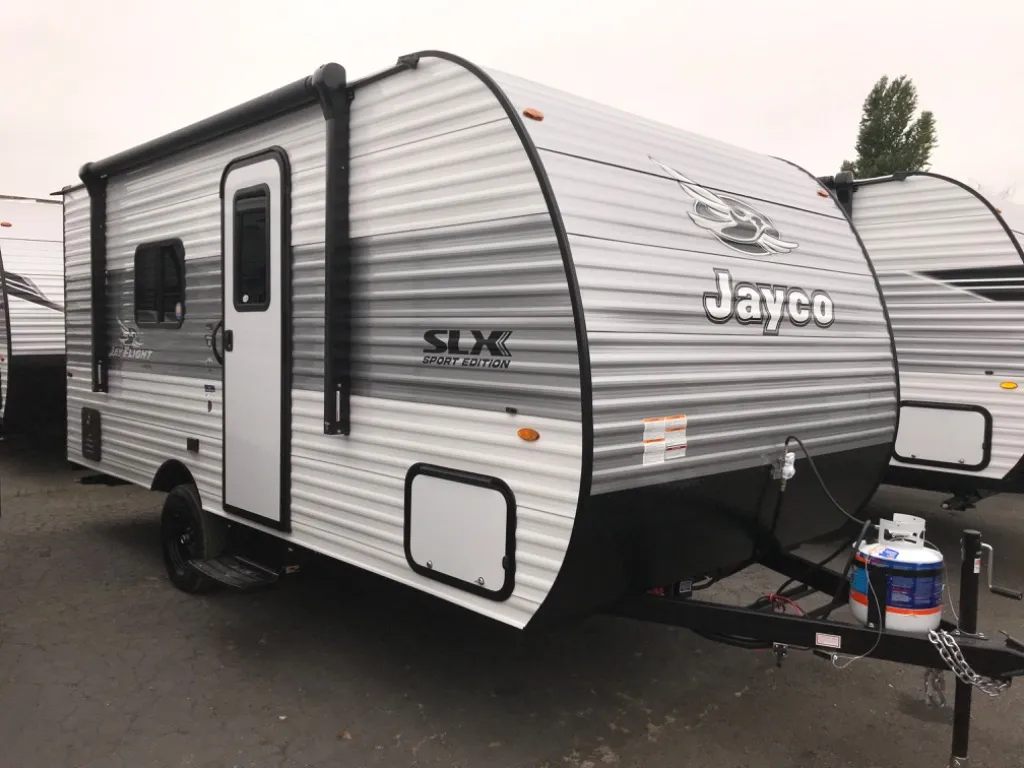
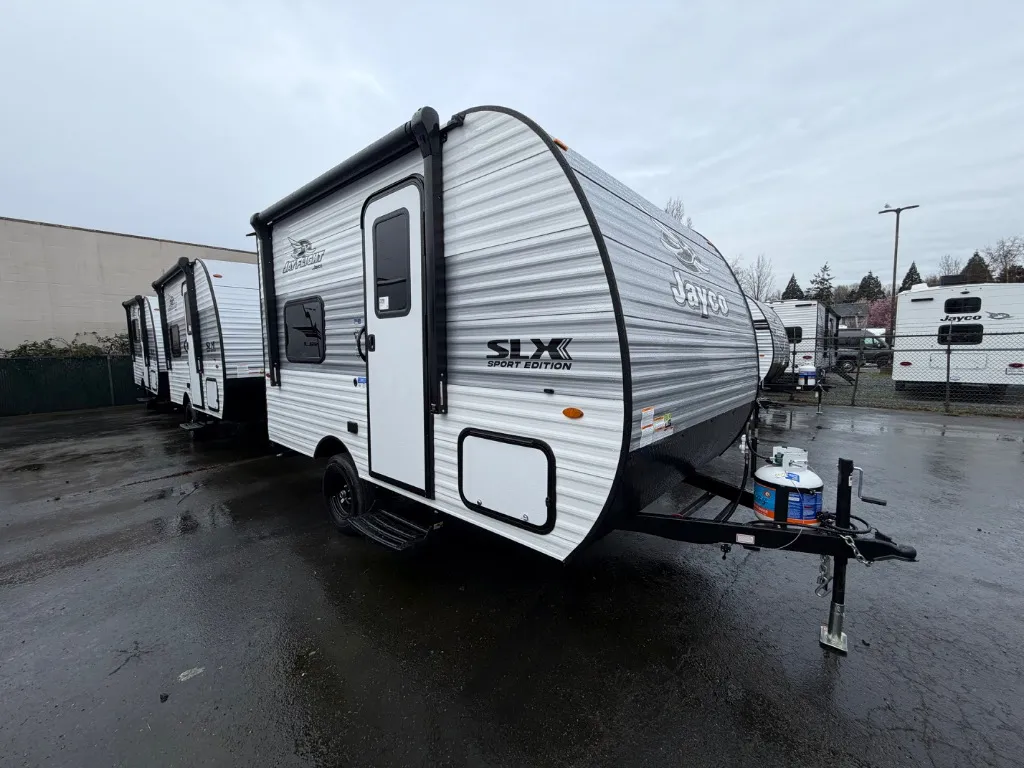
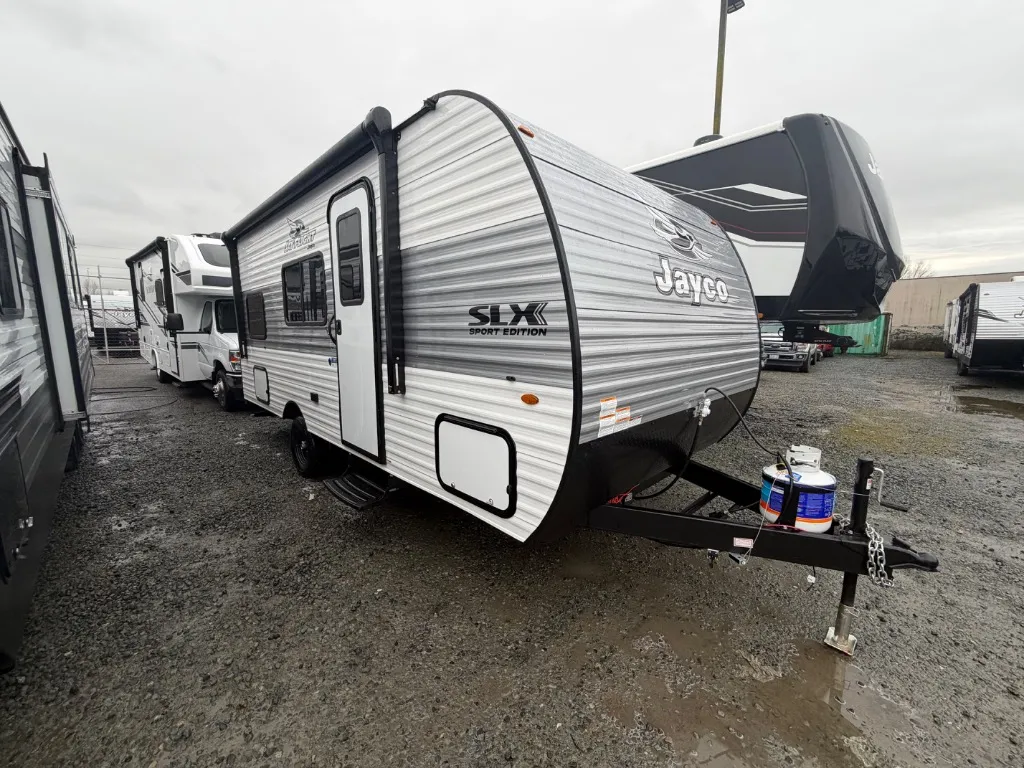
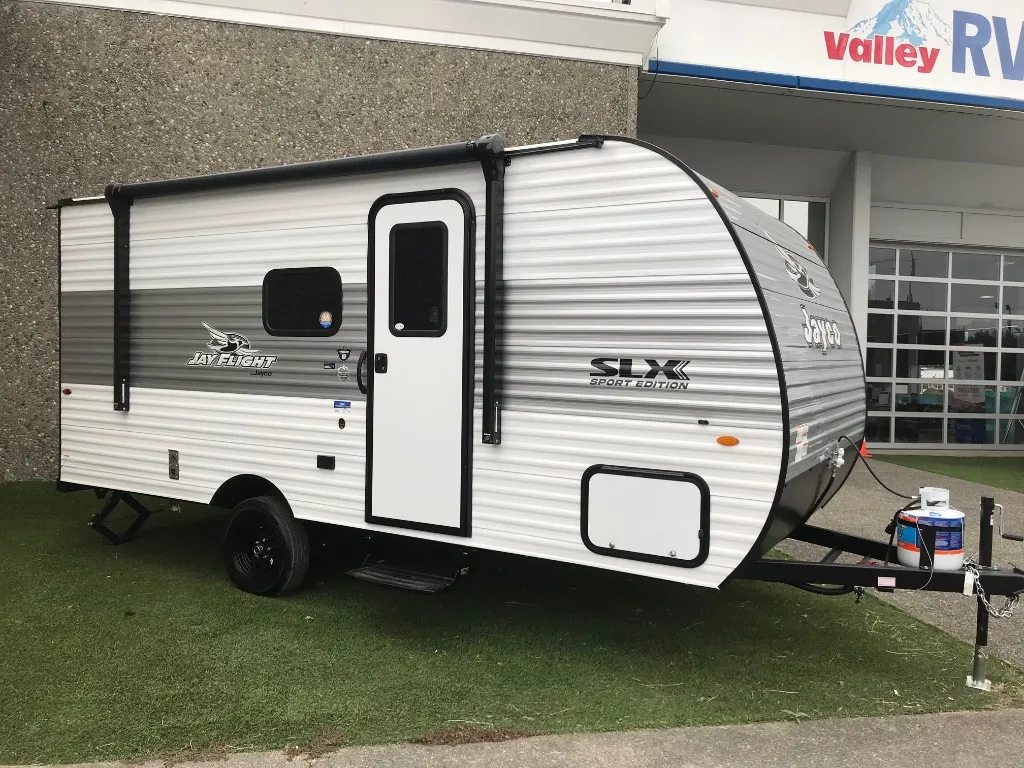
For many families, a travel trailer helps make those trips easier by adding a comfortable place to sleep, reset, snack, and settle down at the end of a full day outside. If you are ready to give your children the gift of family camping, we’re here to help. Browse Valley RV Supercenter’s new RV inventory and used RV inventory for tons of family-friendly RV options. More than a weekend away, camping is the kind of experience that feels larger than life to kids while they are in it—and stays with them literally forever.