
Essential RV Parts to Carry on a Fall Trip Around Washington
October in Washington gives and takes in the same week. You get golden larches above Leavenworth, uncrowded sites at Mount Rainier, and storm-watch evenings on the Olympic Peninsula coast. You also get 38 inches of annual rainfall packed into a wet season that starts right now, mountain-pass chain laws that activate on November 1 per WSDOT, and overnight lows that can dip into the 30s even at lower elevations. None of that has to derail a trip. Pack the right parts before you leave the Kent Valley and you're covered.
The parts list that actually matters for a fall Washington run is shorter than you'd think, and it's different from what a generic camping blog tells you. Forget blankets and pour-over coffee makers. What you want is a sealed roof, a compliant tow vehicle, and a water system that holds up at 28 degrees.
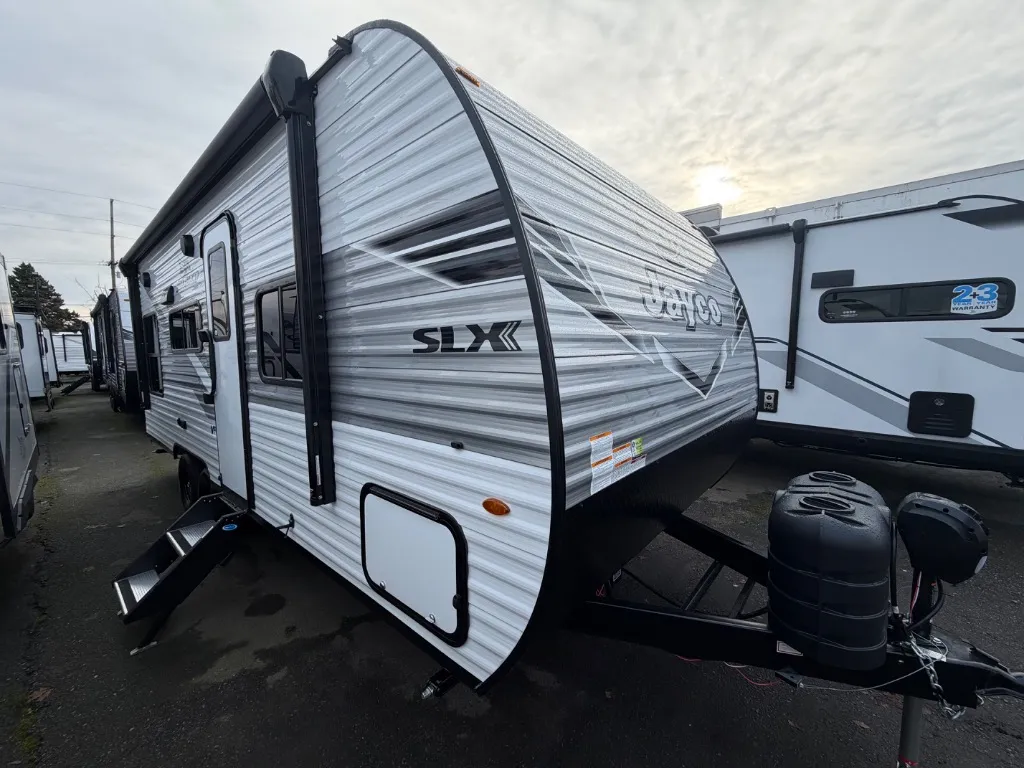
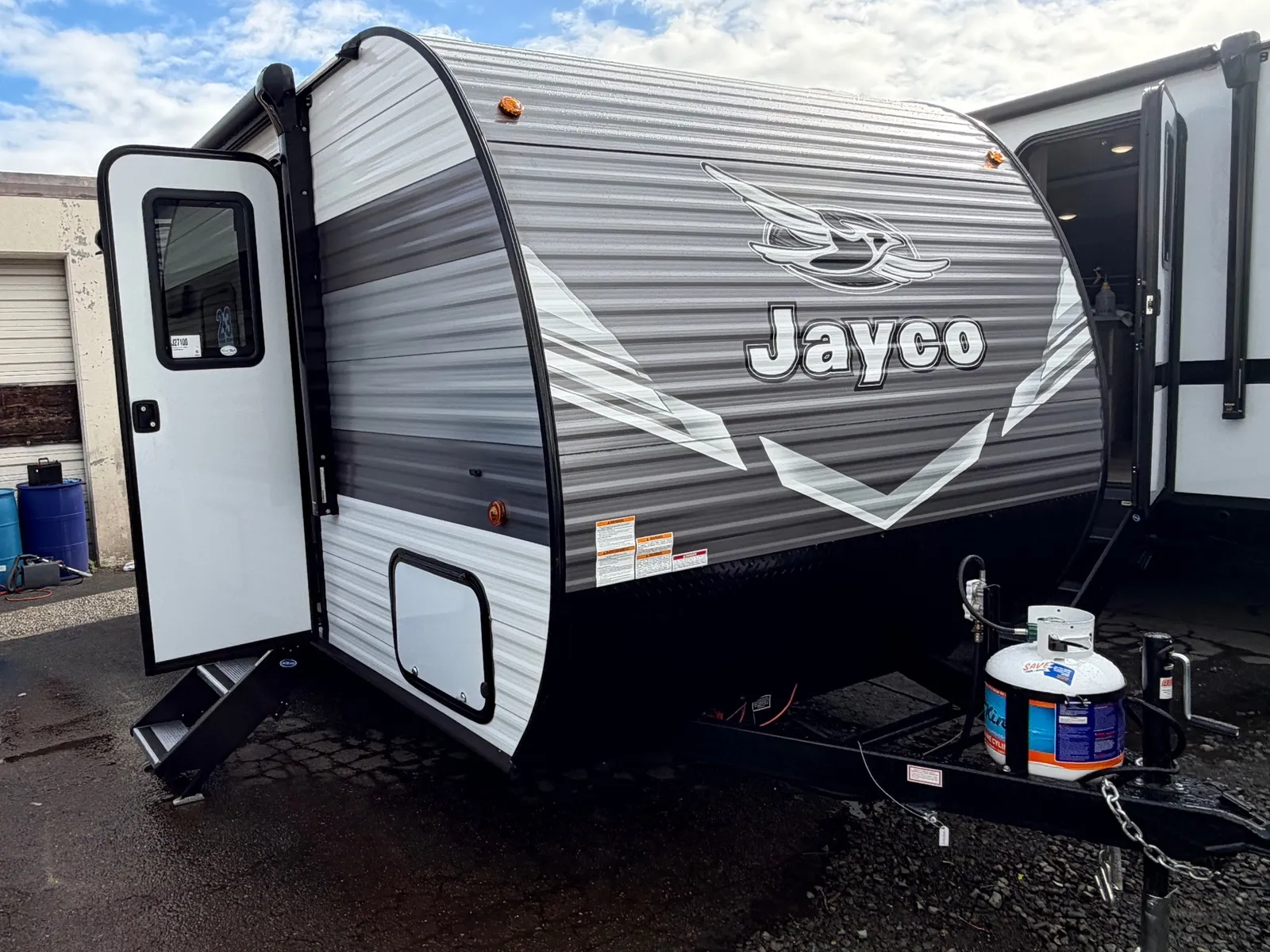
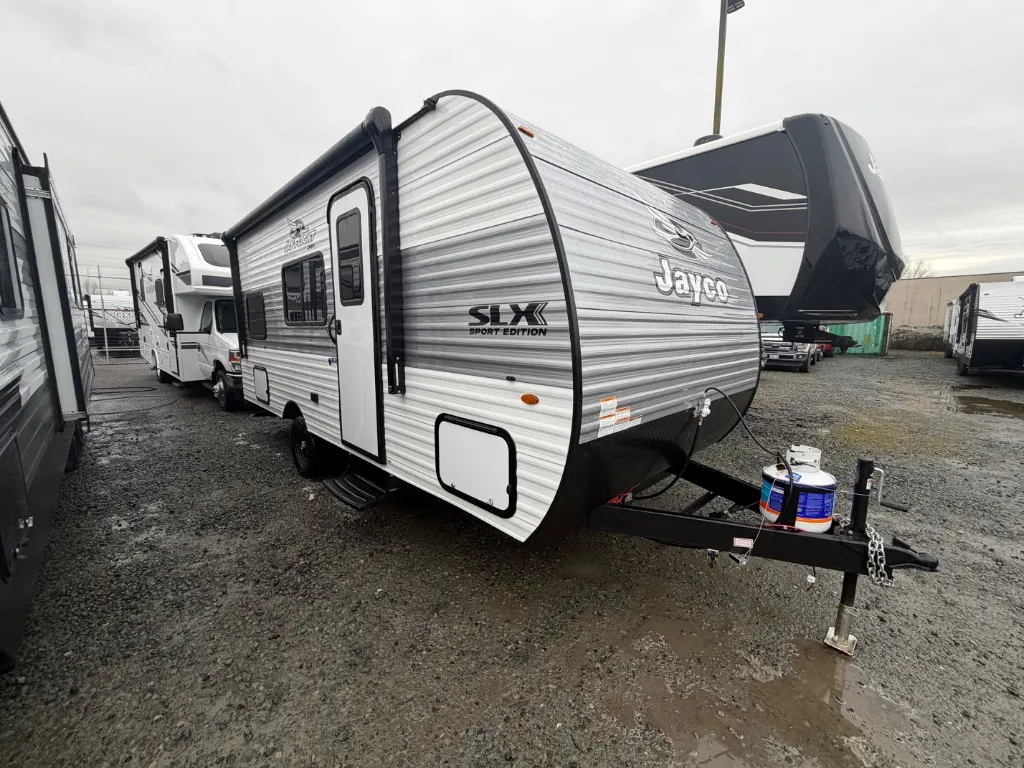
Browse our current Jayco lineup to see which floorplans are heading out this fall, or keep reading for the parts breakdown.
Will It All Fit in Your Jayco's Pass-Through and Basement Storage?
Yes, all of it fits comfortably in every floorplan on this list, because none of it is bulky and the whole kit comes in well under 50 pounds total. The catch is organization. You'll want these parts staged so you can reach them without unloading the entire bay.
Carry the parts below, and you'll see where each one earns its keep.
| Item or Load | Approximate Weight / Dimension | Fits? How |
|---|---|---|
| Lap sealant tube (self-leveling, roof-type matched) | 10 oz tube | Slide into a zip-lock bag in the tool drawer or small parts bin |
| Tire pressure gauge (digital, rated to 100+ PSI) | 4 oz | Glove box or door pocket of tow vehicle |
| Tire chains (correct size for tow vehicle drive wheels) | 15-25 lbs per pair | Rear compartment of tow vehicle bed or SUV cargo area, in bag |
| Non-toxic RV antifreeze (propylene glycol, 1 gallon) | 8.5 lbs | Basement pass-through, upright, away from food |
| Water pressure regulator (if not already on hose) | 4 oz | Attached to fresh hose in exterior water compartment |
| Spare fuses (assorted, matching your rig's fuse block) | Under 1 oz | Small labeled bag in the 12V panel area |
| Spare sewer cap and bayonet fitting | 2 oz each | Zip-lock in sewer compartment |
| Duct tape and self-amalgamating tape (1 roll each) | 6 oz each | Small tool kit bag in pass-through |
| Basic tool roll (screwdrivers, pliers, adjustable wrench) | 3-4 lbs | Pass-through storage, dedicated tool bag |
| LED flashlight or headlamp with fresh batteries | 6 oz | Bedside drawer inside the rig |
| CO and propane detector (check date. Replace if 5+ years old) | 6 oz | Interior, verify it's functioning before departure |
Total load weight comes to roughly 35-55 lbs depending on chain size. Set that against your Jayco's cargo carrying capacity (CCC), printed on the door-jamb label of your specific unit, and it's a rounding error. Properly equipped configurations vary by floorplan and trim. Always verify your actual CCC against that door-jamb label, not the brochure spec, before you load. Check it in person.
How to Load and Stage These Parts for a Washington Fall Run
Staging matters more than packing here, because a kit you can actually reach in bad conditions beats one that's merely aboard. In a Washington October that may mean standing in the rain at a pass pullout, or fumbling in the dark at a campsite, so plan the layout for those moments.
If you want a better storage layout before your next trip, See available used Jayco rigs and compare floorplans. And if you'd like our service team to run a pre-trip inspection, schedule a service appointment before you leave.
Two simple ideas guide the staging.
Group by access urgency. The tire chains and pressure gauge live in the tow vehicle, full stop. You'll need them before unhitching, maybe in a chain-up zone on I-90 approaching Snoqualmie Pass. Everything else can ride in the trailer's basement.
Use clear bags and labels. You don't want to dig through an unmarked bin on a wet October night. Zip-lock the small electrical parts (fuses, spare fitting) and label the bag in permanent marker.
The Numbered Staging Sequence: From Driveway to Campsite
Run through this list before you hitch up and leave Kent, and you'll roll out ready.
- Check the roof before you go. Get up there (safely, on a dry day before departure) and press a finger into the sealant bead around every vent flange, skylight, and roof edge, and you'll feel a bad seal before you see it. Per RV maintenance guidance, lap sealant should be inspected at least twice a year and always before the rainy season. If the bead is dry, cracking, or pulling away from the flange, lay down fresh self-leveling lap sealant matched to your roof type before the trip. Bring a spare tube.
- Confirm your CO and propane detector is in date. Detectors typically carry a service life of five to seven years from manufacture, with the date printed on the back. If yours is past that window, swap it out before you leave. You won't want to second-guess it on the road.
- Test the water pressure regulator. Washington campgrounds run the full range of hookup pressures. A regulator keeps incoming pressure below 45-60 PSI, and it'll spare your Jayco's fittings and lines from stress.
- Load the non-toxic RV antifreeze. One gallon of propylene glycol-based (pink) RV antifreeze rides in the basement. You're not winterizing the rig entirely here. It's for a single overnight where the forecast drops below 28 degrees and you want to protect the P-traps on a cold site. Only non-toxic, propylene glycol-based formulas are safe for a potable water system. Automotive antifreeze is toxic and never belongs here.
- Stage the tire chains in the tow vehicle, not the trailer. Per WSDOT and Washington State Patrol regulations, vehicles over 10,000 lbs GVWR must carry chains when traveling over Snoqualmie Pass on I-90 from November 1 through April 1 each year. We're in late October right now, so that window is days away. Even AWD tow vehicles are required to carry chains and install them when "chains required on all vehicles" signs are posted. Size the chains to your drive wheels and practice the install once before you have to do it in the rain. Fitting chains in freezing rain is miserable.
- Check the sewer fittings and cap. Bayonet fittings crack in cold weather and at busy campgrounds. A spare cap and fitting take up zero meaningful space, so there's no reason to skip them.
- Top off the propane before departure. Propane pressure drops in cold weather, and that'll hit burner performance and furnace ignition. Start full and carry enough for heating on the cooler nights this season brings.
Job Done: The Parts Are Packed, Now Go Camp
That's the full load, eleven categories and under 55 lbs, and every item slides into existing storage without touching your kitchen gear or sleeping kit. The bigger payoff is that each one answers a real failure mode specific to Washington fall camping. Sealant handles the wet-season roof vulnerability. The chains keep you compliant with WSDOT law before the November 1 enforcement window. That antifreeze gallon covers a surprise cold night without a full winterization. Your CO detector is straightforward life safety.
After Labor Day the crowds thin, and fall is genuinely one of the best times to run a Jayco through Washington. The Cascades go golden in late September and hold color into October, and coastal sites like Kalaloch in Olympic National Park stay accessible through mid-October with no reservation required for most sites. You're not racing a summer calendar anymore. You're just making sure the rig is ready for what October actually delivers.
If a newer Jayco is on your fall planning list, Explore financing options.
Schedule a Pre-Trip Service Check
Pack it right, check WSDOT conditions before you cross any pass, and have a great fall out there.