
Boondocking Meaning for RV Towing
RV Glossary
Boondocking
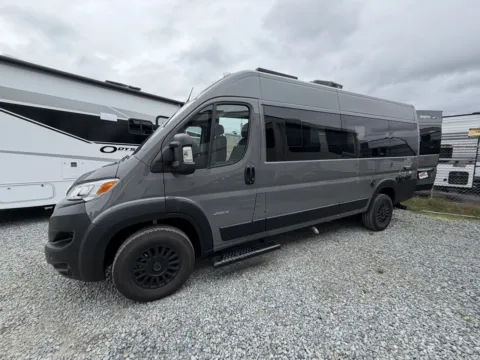
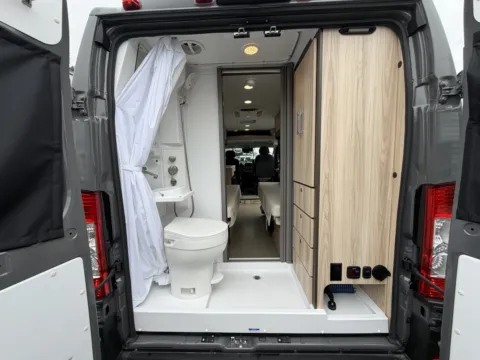
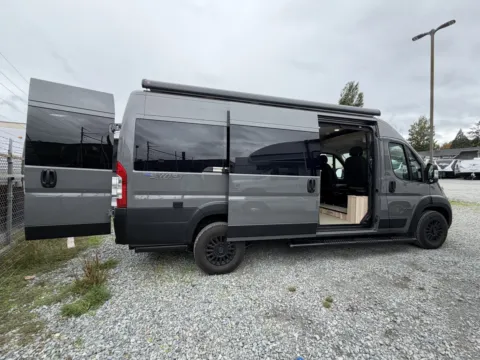
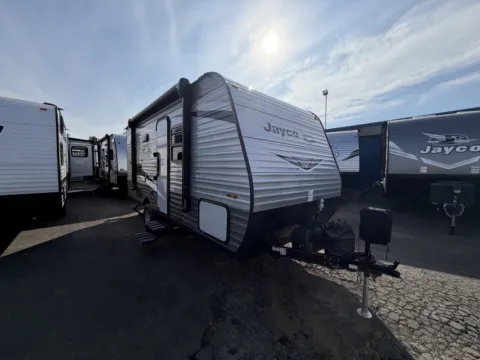
Boondocking is camping without hookups to water, sewer, or electricity, usually in remote or undeveloped areas. It relies on the RV’s self-contained systems for power and water.
Definition
Boondocking is an important towing concept to understand when evaluating RV compatibility and safety margins.
Why It Matters for Towing an RV
This term can directly influence safe trailer matching and trip planning decisions.
Also Called
off-grid camping, dry camping
Related Glossary Terms
Dry Camping
Dry camping means camping without external water, sewer, or electrical hookups. It is often used interchangeably with boondocking, though it can also occur in organized campgrounds without utility service.
BLM Land
BLM land refers to public land managed by the Bureau of Land Management where dispersed camping is often allowed. It is a popular option for free or low-cost boondocking in many western states.
Dispersed Camping
Dispersed camping means camping outside of developed campgrounds, usually on public land without hookups or amenities. It is popular among RVers seeking solitude and off-grid experiences.
Solar Panel
A solar panel captures sunlight and converts it into electrical energy to help charge RV batteries. Solar power is popular for boondocking and off-grid RV travel.
Generator
A generator produces electricity for an RV when shore power is not available. It can power appliances, air conditioners, and battery charging systems while camping off-grid.
Continue Research
Need a broader view? Browse the full RV glossary and continue exploring key towing definitions.
Frequently asked questions