
RV Glossary
Browse RV and towing terms
Browse RV and towing terms with practical definitions and related concepts used throughout our towing-capacity pages.
1
12-Volt System
The 12-volt system powers many essential RV components including lights, fans, slide motors, and water pumps. It operates from the RV battery system.
120-Volt System
The 120-volt system powers household-style appliances in an RV when connected to shore power or a generator. It works much like the electrical system in a standard home.
3
30 Amp Service
30 amp service is a common RV electrical hookup that provides 120-volt power through a single connection. It supports basic RV systems and many smaller motorhomes or trailers.
5
50 Amp Service
50 amp service provides more electrical capacity for larger RVs and allows multiple high-demand appliances to run at the same time. It is common on larger fifth wheels and motorhomes.
A
Aluminum Frame
An aluminum frame is a lightweight structural framework used in RV construction to reduce weight while maintaining strength. It is commonly found in laminated RV designs.
Amp Hour (Ah)
Amp hour, or Ah, is a measurement of battery capacity that indicates how much electrical energy a battery can store and deliver over time. It is a key specification when sizing RV battery systems.
APR
APR, or Annual Percentage Rate, represents the yearly cost of borrowing money including interest and certain fees. It is one of the most important numbers when comparing RV financing offers.
Awning
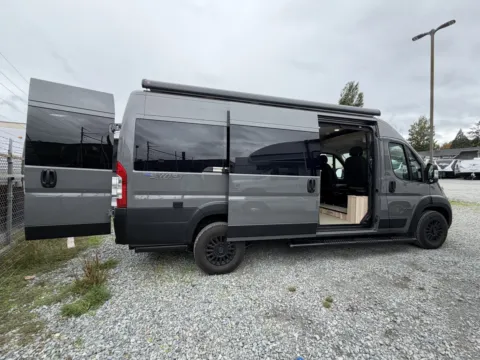
An awning is a retractable cover mounted to the side of an RV that provides shade and weather protection for the outdoor living area. It is one of the most popular RV exterior features.
Axle Ratio
Axle ratio describes how many times the driveshaft rotates for one full wheel rotation, which affects towing power and fuel economy. Higher axle ratios generally improve towing performance.
B
Backup Camera
A backup camera provides a rear-facing view to help drivers reverse and maneuver an RV more safely. It is especially useful on larger motorhomes and tow vehicles.
Battery Bank
A battery bank is a group of batteries connected together to store electrical power for RV use. It provides power for lights, fans, pumps, and other systems when shore power is unavailable.
Battery Disconnect Switch
A battery disconnect switch allows RV owners to shut off battery power when the RV is stored or not in use. It helps reduce battery drain and preserve battery life.
Bearing Grease
Bearing grease lubricates trailer wheel bearings to reduce friction, heat, and wear during travel. Proper bearing maintenance is essential for safe and reliable towing.
Black Tank Flush
A black tank flush is a built-in rinse system that sprays water inside the black tank to help remove waste residue and reduce odors. It simplifies RV tank maintenance.
Black Water Capacity
Black water capacity is the amount of toilet waste an RV can hold in the black tank before dumping is required. It is an important factor for extended travel and camping convenience.
Black Water Tank
The black water tank holds sewage waste from the RV toilet. Proper dumping, rinsing, and maintenance are important to control odors and avoid buildup.
BLM Land
BLM land refers to public land managed by the Bureau of Land Management where dispersed camping is often allowed. It is a popular option for free or low-cost boondocking in many western states.
Boondocking
Boondocking is camping without hookups to water, sewer, or electricity, usually in remote or undeveloped areas. It relies on the RV’s self-contained systems for power and water.
Breakaway Switch
A breakaway switch activates a trailer’s brakes if it becomes disconnected from the tow vehicle. It is a required safety component on many towable RV setups.
Bunkhouse
A bunkhouse is an RV floorplan with dedicated bunk beds designed to increase sleeping capacity. It is especially popular with families and larger travel groups.
C
Camp Side
Camp side refers to the side of the RV that faces the campsite living area, typically where the awning and main entrance are located. It is an important detail when selecting a campsite orientation.
Campground Host
A campground host is a volunteer or staff member who helps manage campsite operations and assist guests. Many campground hosts live on-site in an RV during their assignment.
Carbon Monoxide Detector
A carbon monoxide detector alerts RV occupants to dangerous levels of carbon monoxide gas. It is an essential safety device for any RV with fuel-burning appliances.
Caulking
Caulking is applied around RV windows, doors, and seams to seal gaps and help prevent leaks. It is a routine maintenance item that should be inspected regularly.
CCC
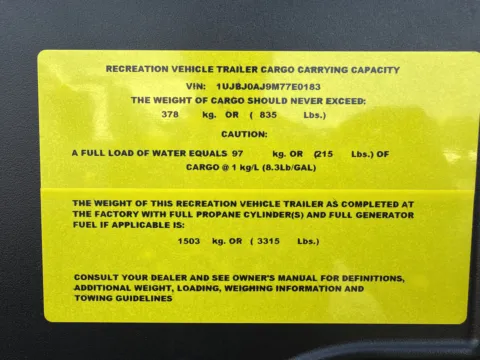
CCC, or Cargo Carrying Capacity, is the maximum amount of cargo, gear, fluids, and optional equipment an RV can safely carry. It is a key number for understanding real-world usability and payload limits.
City Water
City water is a direct water hookup at a campsite that supplies continuous pressurized water to an RV. It allows you to use sinks, showers, and toilets without relying on the fresh water tank.
Class A Motorhome
A Class A motorhome is a large, bus-style RV built for maximum space, comfort, and long-distance travel. It is often considered the most luxurious type of motorhome.
Class B Motorhome
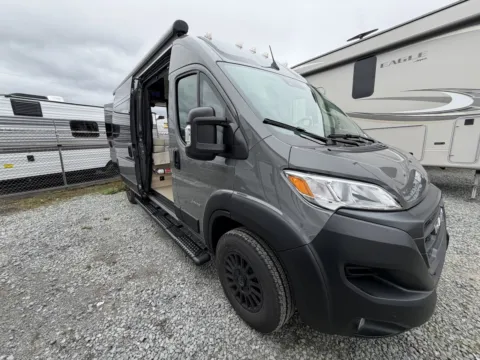
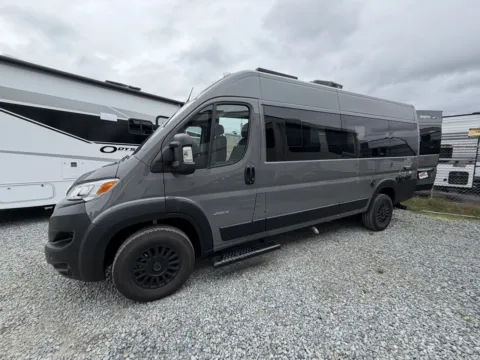
A Class B motorhome is a compact camper van built on a van chassis with integrated living amenities. It is popular for easy driving, parking, and weekend travel.
Class C Motorhome
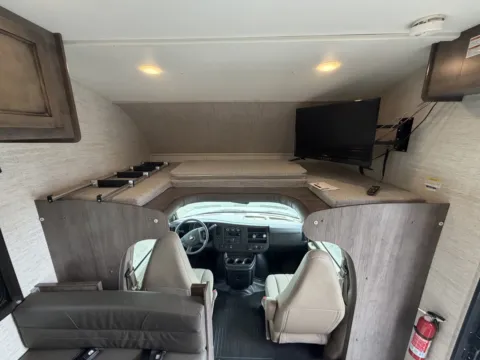
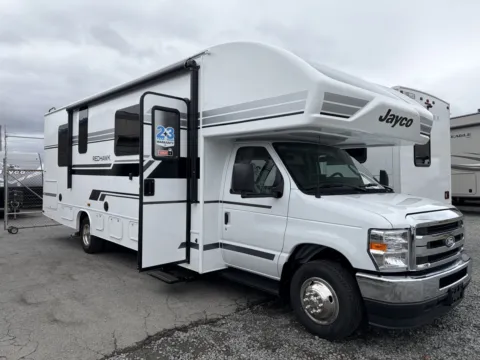
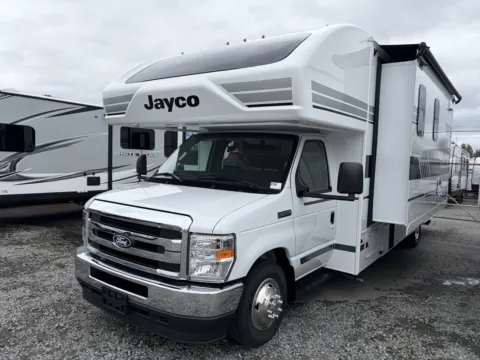
A Class C motorhome is a mid-sized RV built on a truck or van chassis with an over-cab sleeping area. It offers a practical balance of living space, drivability, and value.
Coach
Coach is a common term used to describe a motorhome, especially a larger Class A unit. It is frequently used by owners, dealers, and manufacturers.
Converter
A converter changes incoming AC power from shore power into DC power to run 12-volt RV systems and charge the batteries. It is a core part of most RV electrical systems.
Cooktop
A cooktop is the built-in stove surface used for cooking inside an RV kitchen. It usually runs on propane and may include two or three burners depending on the floorplan.
Cruise Control
Cruise control automatically maintains a selected driving speed without continuous accelerator input. It helps reduce fatigue on long RV road trips.
Curb Weight
Curb weight is the weight of a vehicle with standard equipment and fuel but without passengers or cargo. It is often used when evaluating tow vehicle and payload calculations.
D
Dealer Prep Fee
A dealer prep fee covers the dealership’s cost to inspect, clean, test, and prepare an RV for delivery. It is commonly added to the transaction price.
Depreciation
Depreciation is the loss of value an RV experiences over time due to age, mileage, condition, and market demand. It is a major factor in long-term ownership cost.
Destination Charge
A destination charge is the cost of transporting an RV from the manufacturer to the dealership. It is often included in the total purchase price of a new RV.
Destination Trailer
A destination trailer is a large towable RV built for long-term stays at campgrounds, resorts, or seasonal sites. It offers residential-style comfort with less emphasis on frequent towing.
Dewinterization
Dewinterization is the process of flushing antifreeze from the RV plumbing system and preparing the RV for normal use after winter storage. It usually includes sanitizing the fresh water system.
Diesel Puller
A diesel puller is a motorhome with a front-mounted diesel engine rather than a rear-mounted engine. It is less common than a diesel pusher in the RV market.
Diesel Pusher
A diesel pusher is a motorhome with a rear-mounted diesel engine, typically associated with higher-end Class A coaches. It is known for strong towing power and a smoother ride.
Dinette
A dinette is a built-in dining area inside an RV that often converts into an extra sleeping space. It is a common multi-purpose feature in many floorplans.
Dispersed Camping
Dispersed camping means camping outside of developed campgrounds, usually on public land without hookups or amenities. It is popular among RVers seeking solitude and off-grid experiences.
Doc Fee
A doc fee is a documentation fee charged by the dealership for preparing and processing purchase paperwork. It varies by dealer and, in some states, by law or regulation.
Down Payment
A down payment is the upfront amount a buyer pays toward the purchase of an RV before financing the remaining balance. A larger down payment can reduce monthly payments and total interest.
Dry Bath
A dry bath is an RV bathroom layout where the shower is separated from the toilet and sink area. It offers more comfort and convenience than a wet bath.
Dry Camping
Dry camping means camping without external water, sewer, or electrical hookups. It is often used interchangeably with boondocking, though it can also occur in organized campgrounds without utility service.
Dry Weight
Dry weight is the weight of an RV without cargo, fluids, propane, or passengers. It is often used as a starting point when estimating towing requirements.
Dual Pane Windows
Dual pane windows use two layers of glass to improve insulation and reduce outside noise inside an RV. They are often preferred for hot, cold, or full-time RV use.
Dually
Dually refers to a pickup truck with dual rear wheels, often used for towing large fifth wheels and heavy trailers. It provides added stability and weight capacity for serious towing.
Ducted A/C
Ducted air conditioning distributes cool air through ceiling ducts and vents for more even temperature control throughout the RV. It is common in larger trailers and motorhomes.
Dump Station
A dump station is a designated place where RV owners empty gray and black water tanks. Dump stations are commonly found at campgrounds, RV parks, and travel centers.
E
Engine Brake
An engine brake helps slow down a motorhome by using engine resistance instead of relying only on the service brakes. It is especially helpful on mountain descents and long grades.
Entry Steps
Entry steps are the fold-out or retractable steps that provide access to an RV doorway. Many modern RVs include upgraded step systems for better stability and safety.
EPDM Roof
An EPDM roof is a synthetic rubber roofing membrane used on many RVs for flexibility and weather resistance. It requires regular inspection and maintenance to help prevent leaks.
Extended Warranty
An extended warranty is an optional service contract that provides repair coverage beyond the original manufacturer warranty period. It can help reduce out-of-pocket repair costs after the factory warranty ends.
F
Fiberglass Exterior
A fiberglass exterior is a smooth outer RV surface designed for durability, easier cleaning, and improved aerodynamics. It is common on many modern trailers and motorhomes.
Fifth Wheel
A fifth wheel is a towable RV that uses a bed-mounted hitch in a pickup truck for improved stability and turning control. It is known for spacious layouts and residential-style features.
Fifth Wheel Hitch
A fifth wheel hitch is a specialized hitch mounted in the bed of a pickup truck for towing a fifth wheel RV. It provides greater stability and tighter turning than a standard rear hitch.
Fire Extinguisher
A fire extinguisher is a portable device used to suppress small fires in an RV. It is commonly mounted near the entry door or kitchen area for fast access.
Fiver
Fiver is a slang term for a fifth wheel trailer. It is commonly used by RV owners, dealers, and online RV communities.
Fresh Water Capacity
Fresh water capacity is the total amount of clean water an RV can store in its freshwater tank. It affects how long you can camp without needing to refill.
Fresh Water Tank
The fresh water tank stores clean water for drinking, washing, and general use in an RV. It supports off-grid camping when no water hookup is available.
Full Hookups
Full hookups means a campsite provides water, sewer, and electrical connections for the RV. It offers the most convenience and is common in established RV parks.
Full-Time RVing
Full-time RVing means living in an RV as a primary residence rather than using it only for vacations or weekends. It is common among retirees, remote workers, and long-term travelers.
G
GCWR
Gross Combined Weight Rating, or GCWR, is the maximum total allowable weight of a tow vehicle plus the RV or trailer it is pulling. It is one of the most important towing specifications to understand before buying or towing an RV.
Generator
A generator produces electricity for an RV when shore power is not available. It can power appliances, air conditioners, and battery charging systems while camping off-grid.
Grab Handle
A grab handle is a support handle near the RV entrance that helps users safely enter and exit the unit. It is especially useful for children, older adults, and uneven campsites.
Gray Water Capacity
Gray water capacity is the amount of sink and shower wastewater an RV can store before it must be emptied. Larger gray tanks support longer stays between dump visits.
Gray Water Tank
The gray water tank collects wastewater from sinks and showers in an RV. It must be emptied at a dump station or approved wastewater disposal location.
GVWR
Gross Vehicle Weight Rating, or GVWR, is the maximum allowable weight of an RV including cargo, fluids, and passengers. Staying within GVWR is essential for safe handling, braking, and compliance.
H
Heat Pump
A heat pump is an electric climate control system that can provide both heating and cooling in an RV. It works most efficiently in moderate outdoor temperatures.
Hitch
A hitch is the connection point that attaches a trailer or RV to a tow vehicle. Different hitch types are designed for different trailer sizes, towing capacities, and towing setups.
Hitch Weight
Hitch weight is the amount of weight a trailer places on the hitch of the tow vehicle. It is closely related to tongue weight and helps determine whether a towing setup is safe.
Holding Tank
A holding tank is a general term for the fresh, gray, or black water tanks in an RV. These tanks store water or waste until the contents are used or emptied.
I
Insulation Package
An insulation package includes upgraded materials and design features intended to improve an RV’s temperature control. It is often marketed as a weather package or extended-season package.
Inverter
An inverter converts 12-volt DC battery power into 120-volt AC household electricity inside an RV. It is especially useful for off-grid camping and running standard appliances without shore power.
L
Laminate Construction
Laminate construction uses bonded layers of materials to create lightweight and rigid RV walls. It is commonly associated with fiberglass-sided RVs and modern trailer designs.
Landing Gear
Landing gear refers to the front support jacks on a fifth wheel that raise, lower, and stabilize the trailer. They are essential for hitching, unhitching, and campsite setup.
Leveling System
A leveling system uses manual or automatic jacks to level an RV at a campsite. Proper leveling helps improve comfort and can support appliance performance.
Lithium Battery
A lithium battery is a lightweight, long-lasting RV battery that charges quickly and can be discharged more deeply than traditional lead-acid batteries. It is a popular upgrade for modern RV electrical systems.
Loan Term
Loan term is the length of time over which an RV loan is repaid, usually expressed in months or years. Longer loan terms can lower monthly payments but increase total interest paid.
Low Point Drain
Low point drains are valves located at the lowest points in an RV plumbing system that allow water lines to be emptied. They are commonly used during winterization and routine maintenance.
M
Microwave Convection Oven
A microwave convection oven combines microwave cooking with convection baking in a single RV appliance. It helps save space while expanding cooking options.
Moochdocking
Moochdocking is staying overnight in an RV on private property, often at a friend or family member’s home. Hookups may be limited or unavailable.
Motorhome
A motorhome is a self-powered RV that combines a vehicle chassis with built-in living quarters. Motorhomes are commonly available in Class A, Class B, and Class C configurations.
MPPT Controller
An MPPT controller is a solar charge controller that maximizes the efficiency of solar charging by optimizing voltage and current. It is generally more efficient than a PWM controller.
MSRP
MSRP, or Manufacturer’s Suggested Retail Price, is the base retail price set by the manufacturer for a new RV before discounts, options, taxes, and dealer fees. It serves as a starting point for pricing discussions.
Murphy Bed
A Murphy bed is a fold-down bed that stores vertically when not in use to open up floor space inside the RV. It is a popular space-saving feature in smaller trailers.
O
Out-the-Door Price
Out-the-door price is the final total cost to buy an RV including price, taxes, title, registration, and dealer fees. It is the number buyers should use to compare real offers.
Overlanding
Overlanding is a style of self-reliant travel focused on extended journeys, remote destinations, and vehicle-based adventure. It often overlaps with truck campers, off-road rigs, and boondocking setups.
P
Park Model
A park model is a large RV designed primarily for placement at a seasonal or semi-permanent site. It offers home-like features and is typically moved infrequently.
Partial Hookups
Partial hookups means a campsite provides some utilities, such as water and electricity, but not a full sewer connection. These sites are often more affordable than full hookup sites.
Pass-Through Storage
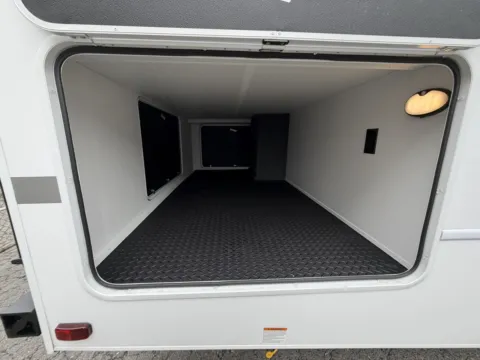
Pass-through storage is an exterior compartment that runs across part or all of the RV and can be accessed from both sides. It is useful for storing large camping gear and equipment.
Payload Capacity
Payload capacity is the maximum combined weight of cargo, passengers, fluids, and gear that a vehicle or RV can safely carry. It is an important figure for both tow vehicles and RVs.
Pop-Up Camper
A pop-up camper is a lightweight folding trailer that expands at the campsite to create sleeping and living space. It is popular for easier towing and compact storage.
Portable Waste Tank
A portable waste tank is a movable container used to transport gray or black water from an RV to a dump station. It is especially useful when your campsite does not have a sewer hookup.
Power Awning
A power awning is an electrically operated awning that extends and retracts with a switch or button. It offers added convenience compared to a manual awning.
Propane (LP Gas)
Propane, also called LP gas, is a common RV fuel source used for furnaces, water heaters, cooktops, and refrigerators. It is stored in onboard tanks or cylinders.
Pull-Through Site
A pull-through site is a campsite layout that allows an RV to drive straight in and out without backing up. It is especially helpful for large rigs and less experienced drivers.
PUP
PUP is a casual abbreviation for a pop-up camper. It is often used in RV forums, classified ads, and owner communities.
PWM Controller
A PWM controller is a basic solar charge controller that regulates power from solar panels to the battery. It is typically less efficient than MPPT but more affordable.
R
Range Hood
A range hood helps vent heat, smoke, and cooking odors from the RV kitchen. It improves airflow and comfort while cooking indoors.
Rig
Rig is a common RV community term used to describe any RV, tow vehicle, or full towing setup. It is one of the most widely used words in RV culture.
Roof Air Conditioner
A roof air conditioner is a rooftop cooling unit that helps regulate temperature inside an RV. It is one of the most common RV climate control systems.
Roof Resealing
Roof resealing is the process of applying fresh sealant to an RV roof and its seams to maintain waterproof protection. It is a key preventive maintenance task for avoiding leaks.
Roof Vent
A roof vent allows heat, moisture, and stale air to escape from the RV interior. It helps improve ventilation and reduce condensation.
RV (Recreational Vehicle)
A recreational vehicle, or RV, is a motorized or towable unit designed for travel, camping, and temporary living. RVs include everything from camper vans to large fifth wheels and motorhomes.
RV Furnace
An RV furnace provides interior heat using propane or, in some cases, electricity depending on the setup. It helps maintain comfort during cold weather camping.
S
Sealant
Sealant is used on RV roofs, seams, windows, and trim to help prevent water intrusion. Inspecting and maintaining sealant is one of the most important parts of RV ownership.
Shore Power
Shore power is an external electrical connection that supplies electricity to an RV at a campsite or storage location. It allows the RV to run appliances and charge batteries without using a generator.
Shore Power Cord
A shore power cord connects an RV to an external power pedestal or outlet at a campground. It supplies electricity for RV systems, appliances, and battery charging.
Slide Motor
A slide motor powers the movement of an RV slide-out during extension and retraction. It is a critical component in many electric slide systems.
Slide Seal
A slide seal is a flexible seal around an RV slide-out designed to keep water, dust, and debris from entering the RV. Damaged slide seals can lead to leaks and weather issues.
Slide Topper
A slide topper is an awning installed above an RV slide-out to help keep water, leaves, and debris off the top of the slide. It can help protect slide seals and reduce maintenance.
Slide-Out
A slide-out is a movable section of an RV wall that extends outward to increase interior living space when parked. Slide-outs are a common feature in many modern RV floorplans.
Smoke Detector
A smoke detector senses smoke and warns RV occupants about possible fire hazards. It is a basic but critical safety feature in every RV.
Snowbird
A snowbird is an RV traveler who heads to warmer climates during the winter months and often returns north in spring or summer. It is a common seasonal RV lifestyle pattern.
Solar Panel
A solar panel captures sunlight and converts it into electrical energy to help charge RV batteries. Solar power is popular for boondocking and off-grid RV travel.
Stabilizer Jacks
Stabilizer jacks are supports used to reduce movement in an RV after it is parked. They improve comfort at the campsite but are not intended to lift or level the RV.
Stick and Tin
Stick and tin refers to traditional RV construction that uses a framed wall structure with corrugated aluminum siding. It is often more affordable but heavier than laminated fiberglass construction.
Sticks and Bricks
Sticks and bricks is a phrase RVers use to describe a traditional house or fixed home. It is especially common among full-time RV travelers.
Surge Protector
A surge protector helps protect an RV electrical system from voltage spikes, low voltage, and campground power issues. It is one of the most recommended RV electrical accessories.
T
Tank Sensors
Tank sensors monitor the levels of fresh, gray, and black water tanks in an RV and display them on a control panel. They help RV owners know when to refill or dump tanks.
Three-Way Refrigerator
A three-way refrigerator can run on propane, 12-volt DC, or 120-volt AC power depending on the RV setup and available power source. It is valued for flexible camping use.
Tinted Windows
Tinted windows help reduce heat, glare, and UV exposure inside an RV while adding privacy. They can also help protect interior fabrics and finishes from sun damage.
Toad
A toad is a vehicle towed behind a motorhome for local transportation after arriving at a destination. It is also commonly called a dinghy vehicle.
Tongue Weight
Tongue weight is the downward force a trailer places on the hitch of the tow vehicle. Proper tongue weight is critical for towing stability, steering control, and safety.
Tow Bar
A tow bar is a device used to connect a vehicle behind a motorhome for flat towing. It allows the towed vehicle to roll behind the RV without using a trailer.
Tow Dolly
A tow dolly is a small trailer that lifts the front wheels of a vehicle off the ground for towing behind a motorhome. It is commonly used when a vehicle cannot be flat towed.
Tow Rating
Tow rating is the maximum trailer weight a vehicle can safely pull as specified by the manufacturer. Matching an RV to the correct tow rating is essential for safety and performance.
Toy Hauler
A toy hauler is an RV with a built-in garage area designed to carry motorcycles, ATVs, golf carts, or similar equipment. Many toy haulers convert the garage space into sleeping or lounge areas.
TPO Roof
A TPO roof is a single-ply roofing material used on many RVs because it is lightweight, durable, and resistant to UV damage. It is a common roofing choice on newer RVs.
Trade-In Value
Trade-in value is the amount a dealer offers for a used RV or vehicle that is applied toward the purchase of another RV. It can reduce the amount financed and lower the buyer’s out-of-pocket cost.
Transfer Switch
A transfer switch automatically changes the RV power source between shore power and generator power. It helps ensure smooth, safe transitions without manual rewiring.
Travel Trailer
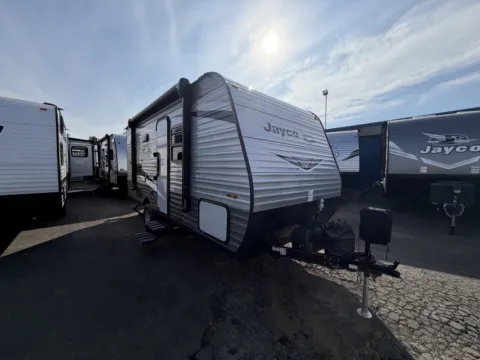
A travel trailer is a towable RV that connects to a hitch behind a vehicle and provides separate living space. Travel trailers come in many sizes, layouts, and price points.
Triple Towing
Triple towing is the practice of towing two separate units behind one vehicle, such as a fifth wheel plus a boat or utility trailer. It is legal only in certain states and under specific conditions.
Truck Camper
A truck camper is a compact RV that fits into the bed of a pickup truck, creating a highly portable camping setup. It is often used for off-road travel and remote camping.
U
Underbelly
The underbelly is the protected bottom section of an RV that houses and shields plumbing, wiring, and other components. An enclosed underbelly can improve insulation and weather protection.
UVW
UVW, or Unloaded Vehicle Weight, is the factory weight of an RV before cargo, water, propane, or personal gear is added. It helps buyers estimate towing and carrying requirements.
V
Vent Fan
A vent fan is a powered fan installed in an RV roof vent to move air in or out of the RV. It improves airflow, helps manage humidity, and supports interior comfort.
W
Wallydocking
Wallydocking refers to overnight RV parking at retail locations such as Walmart where permitted. Policies vary by location, local law, and store management.
Water Filtration System
A water filtration system helps remove sediment, odors, and contaminants from incoming RV water. It improves taste and can help protect fixtures and appliances.
Water Heater
An RV water heater provides hot water for showers, sinks, and other daily use. It may run on propane, electricity, or both depending on the RV setup.
Water Pressure Regulator
A water pressure regulator controls incoming campground water pressure to help protect an RV plumbing system from leaks or damage. It is commonly used whenever connecting to city water.
Weight Distribution Hitch
A weight distribution hitch helps spread trailer weight more evenly across the tow vehicle and trailer axles. It improves towing stability, braking, and overall handling.
Wet Bath
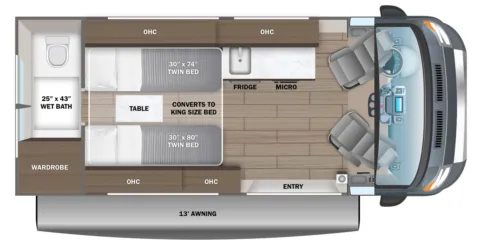
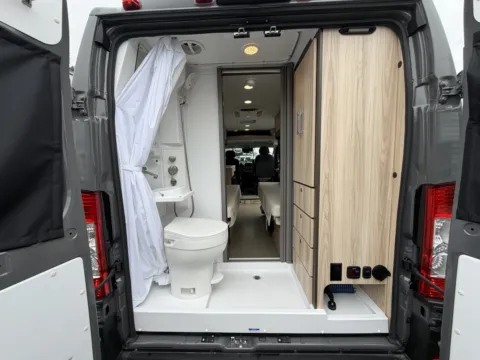
A wet bath is a compact RV bathroom where the shower, toilet, and sink share the same waterproof space. It is commonly found in smaller RVs to save room.
Wheel Bearing
Wheel bearings allow trailer wheels to spin smoothly on the axle while supporting load and movement. They require regular inspection, lubrication, and maintenance.
Wheelbase
Wheelbase is the distance between the centers of the front and rear axles on a vehicle. A longer wheelbase can contribute to improved ride quality and towing stability.
Winterization
Winterization is the process of preparing an RV plumbing system for freezing temperatures by draining water and adding RV antifreeze where needed. Proper winterization helps prevent cracked lines and expensive repairs.
Frequently asked questions