
GVWR Meaning for RV Towing
RV Glossary
GVWR
Gross Vehicle Weight Rating, or GVWR, is the maximum allowable weight of an RV including cargo, fluids, and passengers. Staying within GVWR is essential for safe handling, braking, and compliance.
Why It Matters for Towing an RV
This term can directly influence safe trailer matching and trip planning decisions.
Also Called
gross vehicle weight rating
Related Glossary Terms
GCWR
Gross Combined Weight Rating, or GCWR, is the maximum total allowable weight of a tow vehicle plus the RV or trailer it is pulling. It is one of the most important towing specifications to understand before buying or towing an RV.
UVW
UVW, or Unloaded Vehicle Weight, is the factory weight of an RV before cargo, water, propane, or personal gear is added. It helps buyers estimate towing and carrying requirements.
CCC
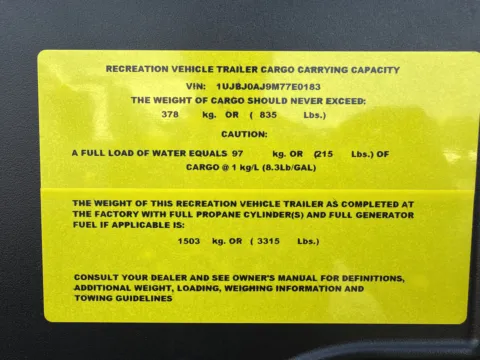
CCC, or Cargo Carrying Capacity, is the maximum amount of cargo, gear, fluids, and optional equipment an RV can safely carry. It is a key number for understanding real-world usability and payload limits.
Payload Capacity
Payload capacity is the maximum combined weight of cargo, passengers, fluids, and gear that a vehicle or RV can safely carry. It is an important figure for both tow vehicles and RVs.
Dry Weight
Dry weight is the weight of an RV without cargo, fluids, propane, or passengers. It is often used as a starting point when estimating towing requirements.
Continue Research
Need a broader view? Browse the full RV glossary and continue exploring key towing definitions.
Frequently asked questions